


Some finishes are designed to disappear. A perfect mirror polish reflects the world. A smooth paint job hides the metal underneath. But a brushed aluminum finish is different. It is designed to be seen.
It is a finish that celebrates the material itself. It is a texture that guides light and shadow. It is not just a protective layer. It is a core part of a modern design language.
From luxury kitchen appliances to high-end electronics, this finish communicates precision, quality, and a minimalist aesthetic. This guide explores the art and technique behind this iconic Aluminum surface treatment.
content:
More Than a Finish, It's a Language
The Technique: Controlled, Linear Scratches
The Details That Matter: Direction and Consistency
Protecting the Beauty: The Final Step
Is a Brushed Finish Right for You?
More Than a Finish, It's a Language
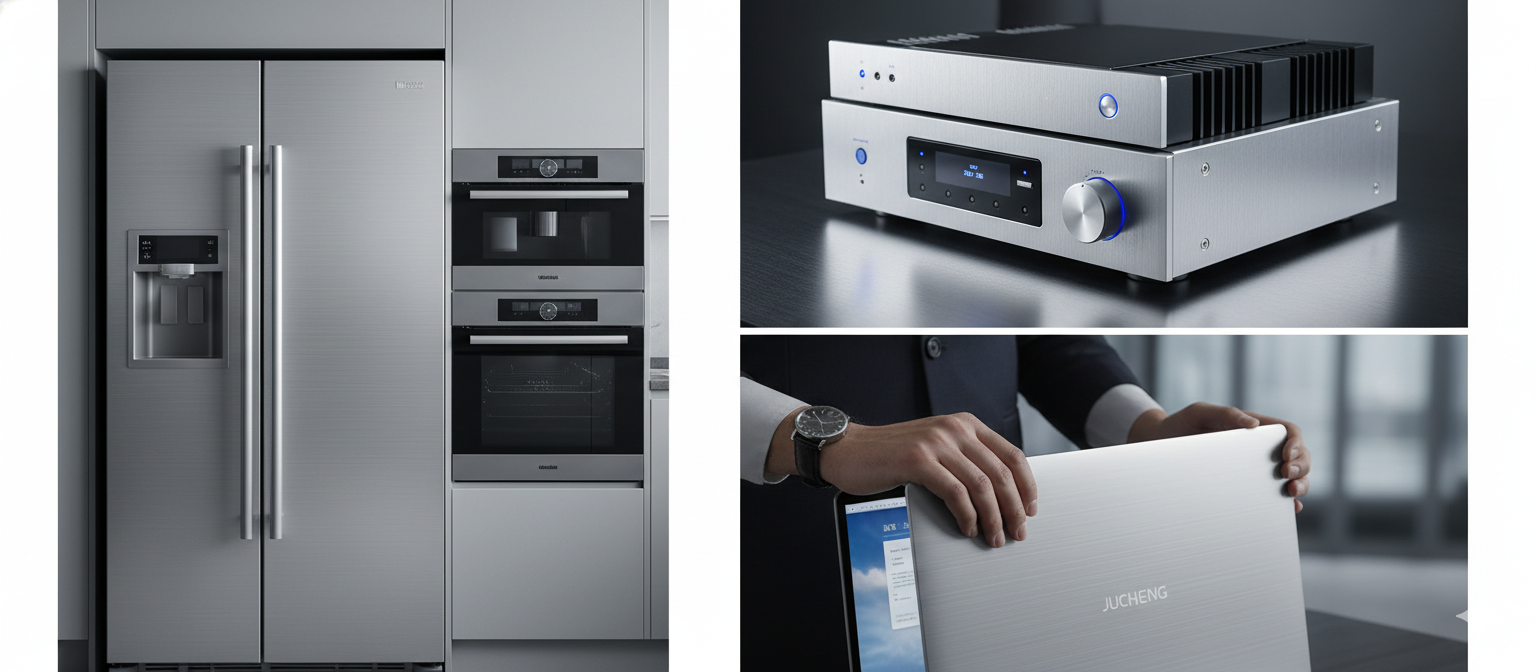
Why is a brushed finish so popular in modern design? It is because of what it communicates.
The fine, parallel lines speak of order and precision. They suggest the product was made with care and control. The way the light catches the grain creates a dynamic, ever-changing appearance as you move the product.
It also has a unique tactile quality. It feels technical and professional. And, practically, it is excellent at hiding fingerprints and small scratches. This makes it a very functional choice for products that are handled often.
When you see a brushed aluminum finish on a laptop or a coffee machine, it tells you that this is a premium, well-made product. It is a visual shortcut to quality.
The Technique: Controlled, Linear Scratches
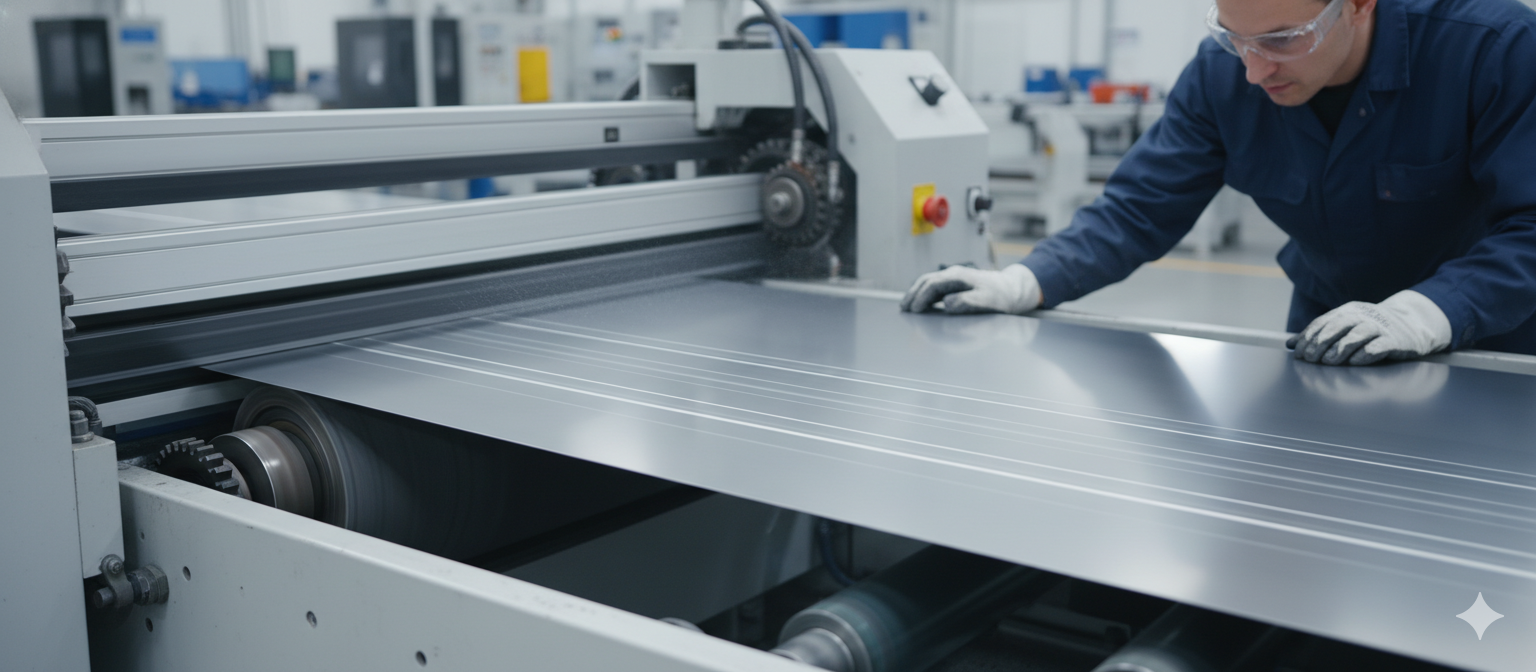
At its core, a brushed finish is a series of very fine, controlled, parallel scratches. It is a form of mechanical sanding.
The process typically uses a moving abrasive belt, a wheel, or a pad. The aluminum part is moved past this abrasive in a single, consistent direction. The grit of the abrasive determines how fine or coarse the final texture will be.
For a perfect result, a huge amount of control is needed. The speed of the part, the pressure of the abrasive, and the freshness of the abrasive belt all have to be perfectly managed.
While it can be done by hand for custom jobs, high-volume production uses large, automated machines to ensure every part has an identical and perfectly uniform grain. This consistency is the hallmark of a professional job.
The Details That Matter: Direction and Consistency
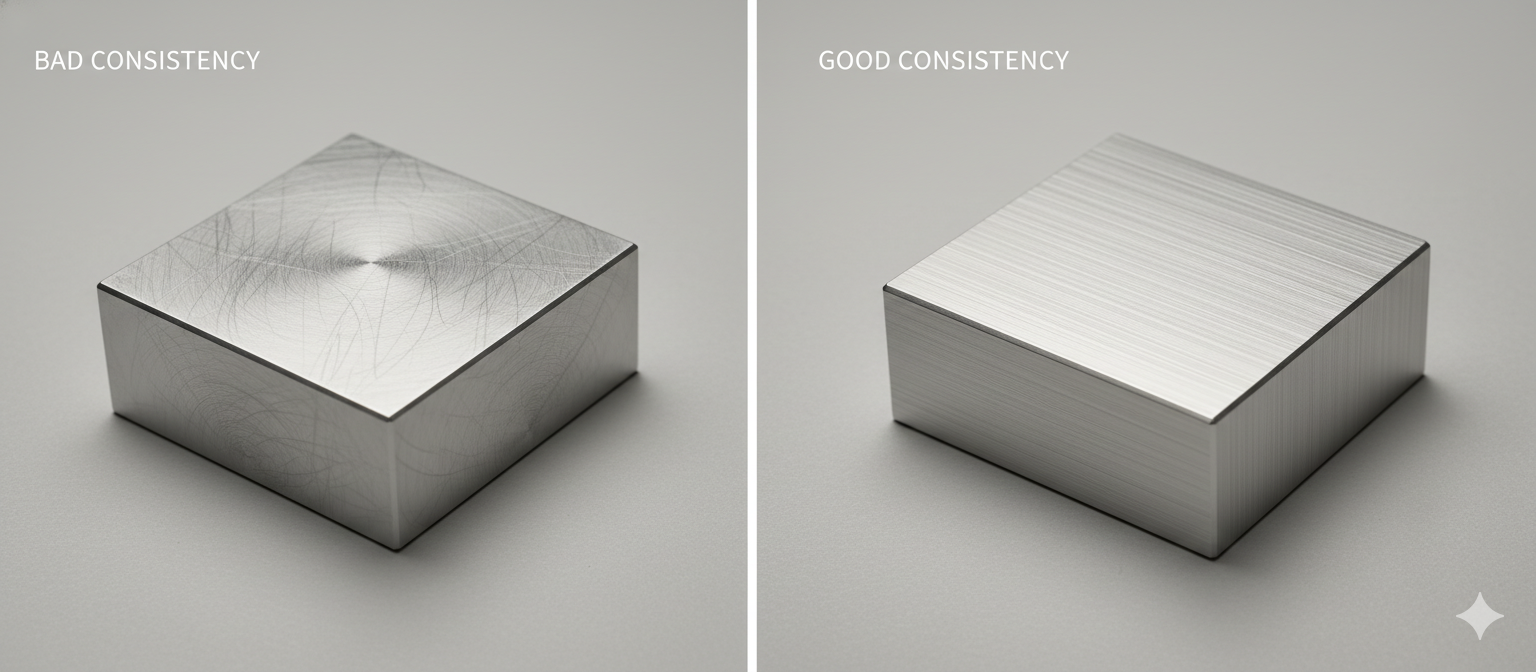
The difference between an average and a great brushed finish is in the details. The most important detail is the direction of the grain.
On a simple, flat part, this is easy. The grain should be straight and unbroken from one edge to the other.
But on a complex part, like an enclosure with multiple sides, the designer must make a conscious choice. Should the grain flow continuously around the corners? Or should the grain on each face have a different direction? For example, the top face might have a horizontal grain, while the side faces have a vertical grain.
These choices have a huge impact on the final look of the product. A good manufacturing partner will discuss these details with you. They will have the skill to execute your desired design intent perfectly.
Protecting the Beauty: The Final Step
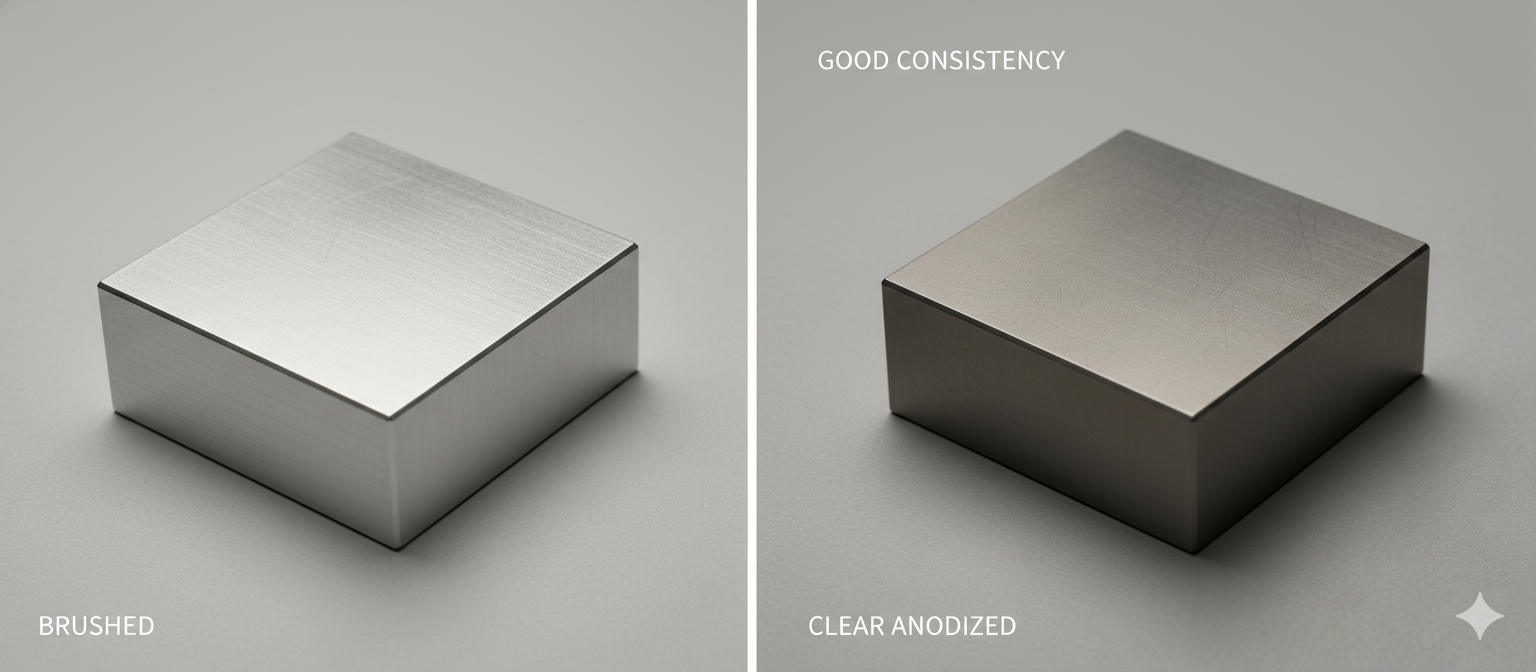
A raw brushed aluminum surface is beautiful. But it is also very delicate. The raw aluminum is soft and can be easily scratched or stained. It will also oxidize over time.
Therefore, a brushed finish is almost always protected by a final, transparent layer. The most common and effective protective layer is clear anodizing.
A clear anodized layer is grown on top of the brushed texture. It is extremely hard and durable. It protects the delicate brushed lines from scratches and wear. It also seals the aluminum from the air, preventing corrosion.
This combination of a mechanical brushed texture and a chemical anodized protection is the secret to the beautiful and durable finish you see on so many premium products. It is a multi-step, expert process.
Is a Brushed Finish Right for You?
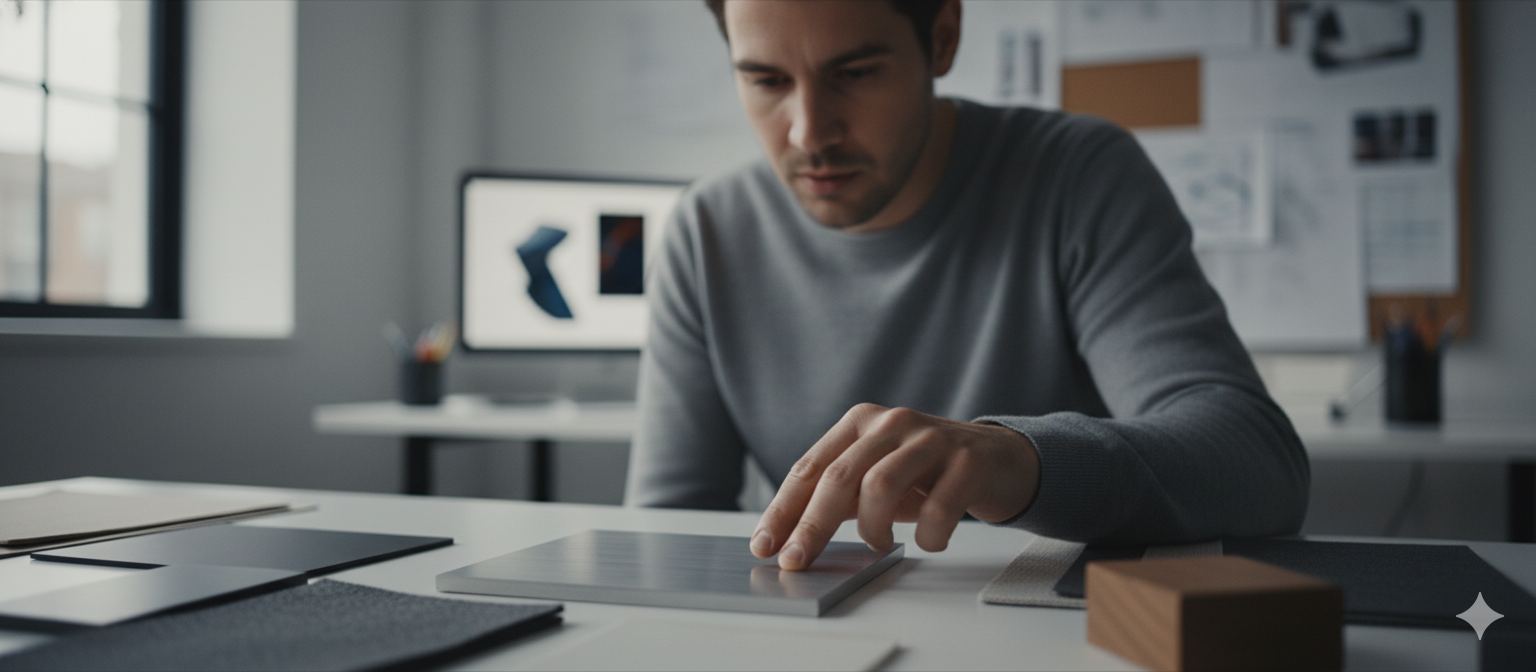
A brushed finish is a fantastic choice for many products. But is it right for yours?
Consider your brand identity. Does a modern, clean, technical look fit your brand? If so, brushing is a perfect fit.
Consider your product's use case. Will it be handled frequently? The fingerprint-hiding property of a brushed finish is a major advantage here.
Consider your budget. A brushed and anodized finish is a multi-step process. It is more expensive than a simple powder coat. But it also creates a much higher perceived value.
Ultimately, choosing a finish is a key design decision. It is an integral part of the user experience. A professional Aluminum surface treatment partner can provide you with samples of different finishes. This allows you to see and feel the options, and make the best choice for your product.

