


Have you ever wondered what makes some plastic containers so tough, or why some car parts don't rust? The answer is often a special material called polypropylene plastic. It's one of the most popular plastics in the world because it's strong, doesn't react with chemicals, and isn't expensive to make.
Think of it like a super-tough LEGO set. It's made by connecting tiny building blocks (called molecules) into long, strong chains. This process makes a material that can be shaped into almost anything, from your yogurt container to the fibers in your carpet.
This article will explore all the different ways we use this "super plastic." We'll see how it helps keep us healthy in hospitals, makes our cars better, and even looks at what we might use in the future.
content:
What is Polypropylene and Where Do We See It?
Polypropylene to the Rescue: Keeping Us Healthy
Making Better Cars with Polypropylene
Special Types of Polypropylene for Special Jobs
Are There Other Options? Looking at Alternatives
What is Polypropylene and Where Do We See It?
Let's talk about polypropylene plastic and all the different polypropylene applications in our daily lives.
Because it is light yet strong, and doesn't mind getting wet, it's perfect for many things. Look around your house! That bottle of ketchup in the fridge? Its lid is probably made from polypropylene. The colorful rug in your living room? It might have polypropylene fibers that keep their color for a long time. Even some of your toys are made from it because it's safe and doesn't break easily.
In short, this plastic is a hidden hero in countless everyday items, making them last longer and work better.
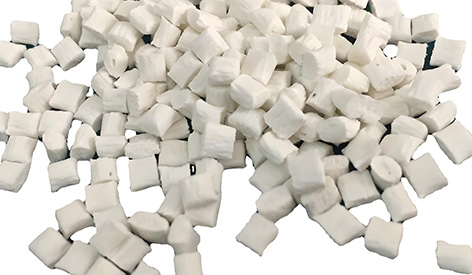
Polypropylene to the Rescue: Keeping Us Healthy
Now, let's see how polypropylene medical applications help doctors and nurses.
Hospitals use a lot of single-use items to keep things super clean and prevent germs from spreading. Polypropylene is perfect for this. It's used to make disposable syringes (the kind used for shots), medicine bottles, and trays that hold clean surgical tools. These items need to be sterile, and this plastic can handle that.
But it gets even more advanced with polypropylene biomedical applications. This means using the plastic inside the human body! For example, a soft, mesh-like piece of polypropylene can be used by surgeons to repair a hernia (a bit like patching a weak spot in a muscle). The amazing part is that the body usually doesn't react badly to it. It's also used in special packaging to keep pills dry and safe. So, from a simple syringe to a life-changing mesh, this plastic plays a huge role in keeping us healthy.
Making Better Cars with Polypropylene
What does plastic have to do with cars? A lot, actually! The use of polypropylene in automotive applications is a big deal.
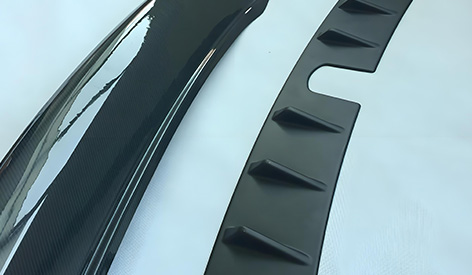
Car companies are always trying to make cars lighter. A lighter car uses less fuel or can go farther on a single battery charge if it's an electric car. Polypropylene is great for this because it's strong but not heavy. Next time you're in a car, look at the dashboard, the door panels, or the bumpers. There's a good chance they are made from polypropylene!
It's also used under the hood for parts like the battery case, because it can handle heat and doesn't corrode like metal. By using this plastic, cars become safer, more efficient, and better for the environment. It's a win-win!
Special Types of Polypropylene for Special Jobs
Not all polypropylene is the same. Scientists can change its building blocks to create special versions for specific jobs.
One type is called atactic polypropylene. Imagine this version is really sticky and flexible, almost like chewing gum. Because of this, atactic polypropylene applications are usually in glues, sealants, and the sticky part of tape. It's even mixed into asphalt to help make our roads stronger!
Another cool type is polypropylene carbonate. This one is special because it's made partly from carbon dioxide (a greenhouse gas) and it can break down more easily in the environment. The polypropylene carbonate applications are still growing, but it could be used for things like biodegradable plant pots or eco-friendly food packaging in the future.
Are There Other Options? Looking at Alternatives
With so much talk about plastic pollution, are there any polypropylene alternatives?
Yes, and scientists are working hard to make them better. One popular alternative is called PLA, which is made from plants like corn. You might find PLA in some compostable cups and forks. Recycled materials are also great alternatives.
So why don't we just switch everything? Well, many polypropylene alternatives aren't quite as strong, can't handle heat as well, or are more expensive to make. For example, a PLA fork might bend too easily in hot soup. That's why polypropylene is still used so much. But the search for greener options is definitely on!
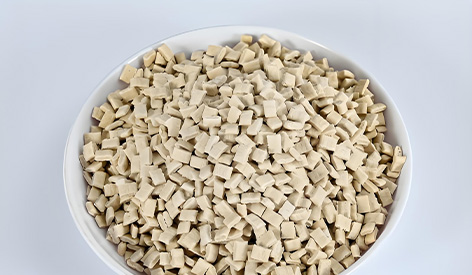
So, as you can see, polypropylene plastic is a truly amazing material. It keeps our food fresh, makes our cars lighter and safer, and even helps save lives in hospitals. From simple polypropylene applications like bottle caps to advanced polypropylene biomedical applications inside our bodies, it's a material we rely on every day.
While we look for polypropylene alternatives to help the planet, this versatile plastic will continue to be a big part of our world because it's so useful, reliable, and affordable. The next time you pick up a plastic container or get into a car, you'll know a little more about the science that makes it all possible

