


Hello there! Have you ever noticed that some plastics are used for water bottles, while others are used for car parts or toys? That's because there are many types of plastics, each with its own special features. In this article, we'll explore different kinds of plastics, like polypropylene, HDPE, PET, polycarbonate, ABS, and others. We'll compare them in a simple way, so you can understand why one plastic might be better for certain jobs than another. By the end, you'll see how these materials are chosen for everyday things based on how strong, flexible, or eco-friendly they are. Let's dive in and learn about the amazing world of plastics!
content:
What Is Polypropylene and What Can We Use Instead?
Comparing HDPE and Polypropylene: Which One Is Better?
How PET and Polypropylene Are Different
Polypropylene vs Polycarbonate: What Makes Them Special?
HDPE vs PET: A Fun Look at Their Uses
ABS Plastic vs Polycarbonate: Which One to Pick?
Cool New Mixes: Polypropylene Composites
What Is Polypropylene and What Can We Use Instead?
Polypropylene (often called PP) is a common type of plastic that is used in many things, like food containers, car parts, and even toys. It's great because it doesn't get damaged easily by chemicals, it's light, and it can bend without breaking quickly. But sometimes, people need to use other materials instead of polypropylene. These are called polypropylene alternatives. For example, if something needs to block water better, polyethylene (another plastic) might be used. Or, if a product needs to be really tough, a material called ABS could be a good choice. There are also eco-friendly options, like plastics made from plants, which are better for the environment. So, when polypropylene isn't perfect for a job, people can pick one of these alternatives to get the job done right.
Comparing HDPE and Polypropylene: Which One Is Better?
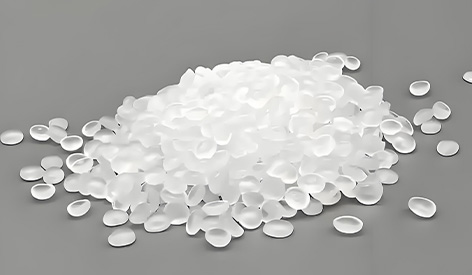
Now, let's look at HDPE and polypropylene. HDPE stands for high-density polyethylene, and it's a strong plastic often used for milk jugs, pipes, and buckets. It's really good at handling heavy weights and doesn't let water in easily. On the other hand, polypropylene is more flexible and can handle heat better—think of microwave-safe containers! HDPE is tougher against impacts, so it's great for things that might get bumped around, while polypropylene is better for parts that need to bend back and forth, like lids on Tupperware. Also, HDPE is usually cheaper for big projects, but polypropylene can be made in special ways to fit different needs. So, when choosing between them, it depends on whether you need strength and water resistance (go for HDPE) or flexibility and heat tolerance (pick polypropylene).
How PET and Polypropylene Are Different
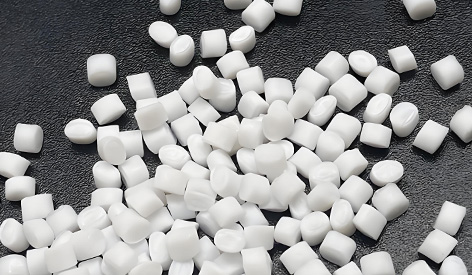
PET (which is short for polyethylene terephthalate) and polypropylene are both plastics, but they have their own superpowers. PET is what you often see in soda bottles—it's clear, strong, and keeps drinks fizzy by blocking air from getting in. Polypropylene, though, is better at resisting chemicals and can handle hotter temperatures, so it's used in things like yogurt containers or lab equipment. PET is stiffer and doesn't change shape easily, while polypropylene can stretch a bit more without breaking. When it comes to recycling, PET is commonly turned into new bottles or clothes, but polypropylene is a bit harder to recycle because it can get dirty. In factories, PET needs extra care to stay dry during making, but polypropylene is easier to work with. So, if you want something see-through and good for storing drinks, PET is the choice; for heat-resistant and bendy items, polypropylene wins.
Polypropylene vs Polycarbonate: What Makes Them Special?
Polycarbonate (or PC) is a super strong plastic used in things like safety goggles, CDs, and car windows because it doesn't break easily and is see-through. Polypropylene, as we know, is lighter and cheaper, great for disposable items or containers. Polycarbonate can handle very high heat without melting—imagine leaving it in a hot car and it staying fine—while polypropylene might soften if it gets too warm. However, polypropylene is better at resisting cracks from bending over and over, like in bottle caps that open and close often. For the environment, polypropylene is easier to recycle in some cases, but polycarbonate is tougher to reuse. Cost-wise, polycarbonate is more expensive, so it's used for important stuff where strength is key, but polypropylene is picked for everyday things to save money. In short, choose polycarbonate for super strong, clear items, and polypropylene for cheap, flexible ones.
HDPE vs PET: A Fun Look at Their Uses
HDPE and PET are two plastics you see all the time! HDPE is that sturdy plastic in milk bottles and shampoo containers—it's thick, doesn't let water in, and can handle chemicals without damage. PET, on the other hand, is the clear plastic in water and soda bottles; it's stiff and keeps air out to protect drinks. When we talk about recycling, both can be reused: PET often becomes new bottles or fabric, and HDPE might turn into playground equipment or bins. Making things with HDPE is easier because it doesn't shrink much, but PET needs to be kept dry during production. HDPE is usually cheaper for big items like storage tanks, but PET is better for things that need to look nice and stay fresh. So, if you need something strong and water-resistant, HDPE is your go-to; for clear, air-tight containers, pick PET.

ABS Plastic vs Polycarbonate: Which One to Pick?
ABS and polycarbonate are both tough plastics, but they have their differences. ABS is used in things like LEGO bricks, car parts, and phone cases because it's strong, cheap, and easy to shape. Polycarbonate is even stronger—it's in bulletproof windows and safety gear—and it can handle higher heat without deforming. ABS might warp if it gets too hot, say in a car on a sunny day, while polycarbonate stays firm. ABS is easier to paint or glue, which is cool for custom designs, but polycarbonate is clearer and better for see-through items. Outside, ABS can fade in the sun, but polycarbonate can be treated to last longer. Price-wise, ABS is more budget-friendly for lots of products, but polycarbonate is worth it for super tough jobs. So, if you're making something that needs to be affordable and durable, ABS is great; for extreme strength and clarity, go with polycarbonate.
Cool New Mixes:Polypropylene composites
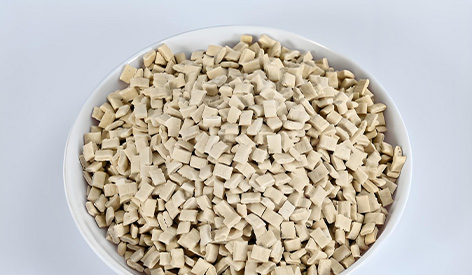
Polypropylene composites are like super-versions of regular polypropylene. People mix polypropylene with other materials, such as glass fibers or natural stuff like wood, to make it even better. For example, adding glass makes it stronger and less likely to change shape, so it's perfect for car bumpers or tools. Using natural fibers makes it lighter and better for the Earth, which is great for eco-friendly products. Scientists are even adding tiny particles to give it new powers, like resisting fire or conducting electricity, so it can be used in electronics or buildings. Making these composites is still easy, similar to working with regular plastic, but they might need small adjustments. They help save money and reduce waste by making products last longer. As technology improves, these polypropylene mixes are opening up new possibilities for making things lighter, stronger, and greener.
In conclusion, we've seen that each plastic has its own strengths and weaknesses. Whether it's polypropylene's flexibility, HDPE's toughness, PET's clarity, polycarbonate's strength, or ABS's affordability, choosing the right one depends on what you need it for. By understanding these differences, people can make smarter choices for products we use every day. As we invent new mixes and earth-friendly options, the future of plastics looks exciting and full of possibilities. Remember, next time you use a plastic item, think about the amazing science behind it!

