


Have you ever wondered what your toy car, your lunchbox, or even parts of a car are made of? There's a good chance it's a material called polypropylene plastic! This is a type of plastic that is everywhere because it's strong, light, and doesn't cost a lot to make. Let's break down what this tricky-worded material is all about in a way that's super easy to understand.
content:
What Exactly is Polypropylene Plastic?
Cool Things About Polypropylene: Its Superpowers
Making it Even Stronger: Polypropylene Composites
Where Do We See This Plastic? Its Many Uses
The Wavy, Strong Plastic: Corrugated Polypropylene
The Stringy Version: Polypropylene Fiber
How Much Heat Can It Take? The Melting Point
Are There Other Plastics Like It? Polypropylene Alternatives
What Exactly is Polypropylene Plastic?
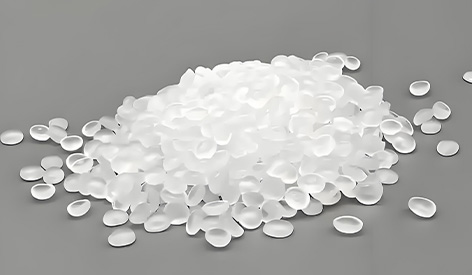
Imagine building something with tiny, tiny building blocks. Polypropylene plastic is made by connecting millions of identical tiny blocks (called molecules) into long chains. This process makes a material that is perfect for creating parts for all sorts of things we use every day. It's a really popular plastic because it can be bent a little without breaking and it's great for making things in molds, like when you pour liquid into a shape to make a toy. It's also one of the plastics that can often be recycled, which is better for our planet!
Cool Things About Polypropylene: Its Superpowers
What makes this plastic so special? Here are its main superpowers:
It's Super Light: Think about a plastic water bottle versus a glass one. The plastic one is much lighter, right? Polypropylene is like that. This is really important for making things like car parts because a lighter car uses less gas.
It's Tough Against Chemicals: Have you ever used a strong cleaner? This plastic isn't bothered by most chemicals, acids, or even sticky things like glue. That’s why it's used for bottles that hold cleaning products.
It Doesn't Get Tired: If you bend a piece of polypropylene back and forth, it can handle it without snapping. This is called "fatigue resistance." This is why it's perfect for things like the lid on your lunchbox—the part that bends over and over without breaking.
It Hates Water: Water just rolls right off it! It doesn't soak up water, which keeps things inside dry and safe.
Of course, it's not perfect. If it's left in the sun for too long, it can become weak and brittle, just like a plastic toy left outside all summer. And when it gets very cold, it can become more likely to crack. But smart scientists have found ways to mix in other ingredients to help with these problems.
Making it Even Stronger: Polypropylene Composites
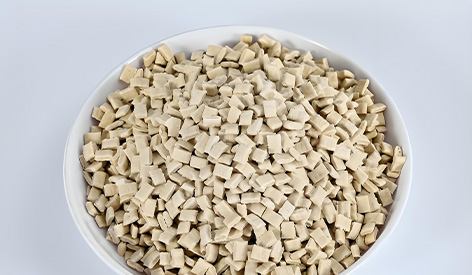
Sometimes, plain polypropylene isn't strong enough for a job. So, what do engineers do? They make it stronger by mixing it with other stuff! These mixes are called polypropylene composites.
It's like making a super-powered concrete by mixing cement with metal rebar. For plastic, they might mix in:
Tiny Glass Fibers: This makes the plastic much stronger and stiffer, perfect for the hard parts inside a car.
Mineral Powder (like Talc): This makes it harder and less likely to get scratched.
By creating these polypropylene composites, we can make plastic parts that are strong enough to be used in many more places, from lawnmowers to parts inside your computer.
Where Do We See This Plastic? Its Many Uses
The applications—that's just a fancy word for "uses"—for this plastic are almost endless! Here are some places you might find it:
In Your Car: The bumpers, the parts inside the dashboard, and even the container for the battery are often made from polypropylene. Its light weight helps cars get better mileage.
In Your Home: Your washing machine, dishwasher, and vacuum cleaner have many parts made from this plastic because it's tough and doesn't rust.
In Your Stuff: Lots of food containers, yogurt cups, and even some ropes are made from it. It's safe for food and doesn't let water in.
The Wavy, Strong Plastic: Corrugated Polypropylene
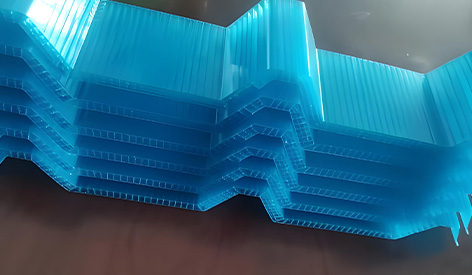
Have you ever seen cardboard? It has a wavy layer between two flat sheets, which makes it strong but light. Well, they can make polypropylene plastic in the same way! This is called corrugated polypropylene plastic.
It's used to make:
Strong, reusable shipping boxes.
Signs for stores or events.
Protective sheets to keep things from getting broken during moving.
It's super tough, waterproof, and can be used over and over again.
The Stringy Version: Polypropylene Fiber
Polypropylene can also be made into thin strings or threads, kind like spaghetti. These threads are called polypropylene fiber. What is this used for?
The fabric inside of diapers that pulls wetness away from your skin.
The rough carpet in some cars and schools.
Even mixed into concrete for sidewalks to help keep it from cracking!
So, from keeping babies dry to making stronger sidewalks, this fiber is very useful.
How Much Heat Can It Take? The Melting Point
The melting point is the temperature when something turns from a solid into a liquid. For polypropylene, this happens at a very hot temperature—around 320°F (160°C). That's hotter than boiling water!
Why does this matter?
It means a plastic lunchbox won't melt if you put warm food in it.
It tells the factory how hot their machines need to be to melt the plastic and shape it into whatever they are making, like a toy car.
Are There Other Plastics Like It? Polypropylene Alternatives
Even though polypropylene is great, it's not the only plastic out there. For different jobs, people might use other materials, which we can call polypropylene alternatives.
For Squishy Things: A plastic called polyethylene (PE) is used for plastic bags and bottles because it's more flexible.
For Super Strong Things: A plastic called ABS is used for things like LEGO bricks because it's really hard and tough.
For Earth-Friendly Things: Some new plastics, called bioplastics, are made from plants like corn. They are better for the environment, but they often aren't as strong for making long-lasting parts.
So, there you have it! Polypropylene plastic is a amazing material that's light, strong, and cheap. We can mix it to make polypropylene composites that are even stronger, shape it into wavy corrugated sheets, or pull it into polypropylene fiber for clothes and ropes. By knowing its properties and melting point, we can use it to make all kinds of things, from car parts to food containers. And if it's not the best choice, we can look for polypropylene alternatives. It's a hidden hero in the world of materials, working hard to make the things we use every day better and lighter.

