


The most common question engineers ask us is not about the process. It is about the material. "Should I use aluminum or steel for my parts?"
This is a simple question with a complex answer. The material you choose for your prototype sheet metal parts will define their performance. It affects their weight. Their strength. Their cost. And how they look and feel.
Choosing the wrong material can lead to a prototype that fails its tests. This guide will break down the key differences between the most common metals. It will help you make a smarter choice.
content:
Aluminum: For Light Weight and Appearance
Carbon Steel: For Strength and Low Cost
Stainless Steel: For Durability and a Clean Look
Making the Right Choice
Aluminum: For Light Weight and Appearance
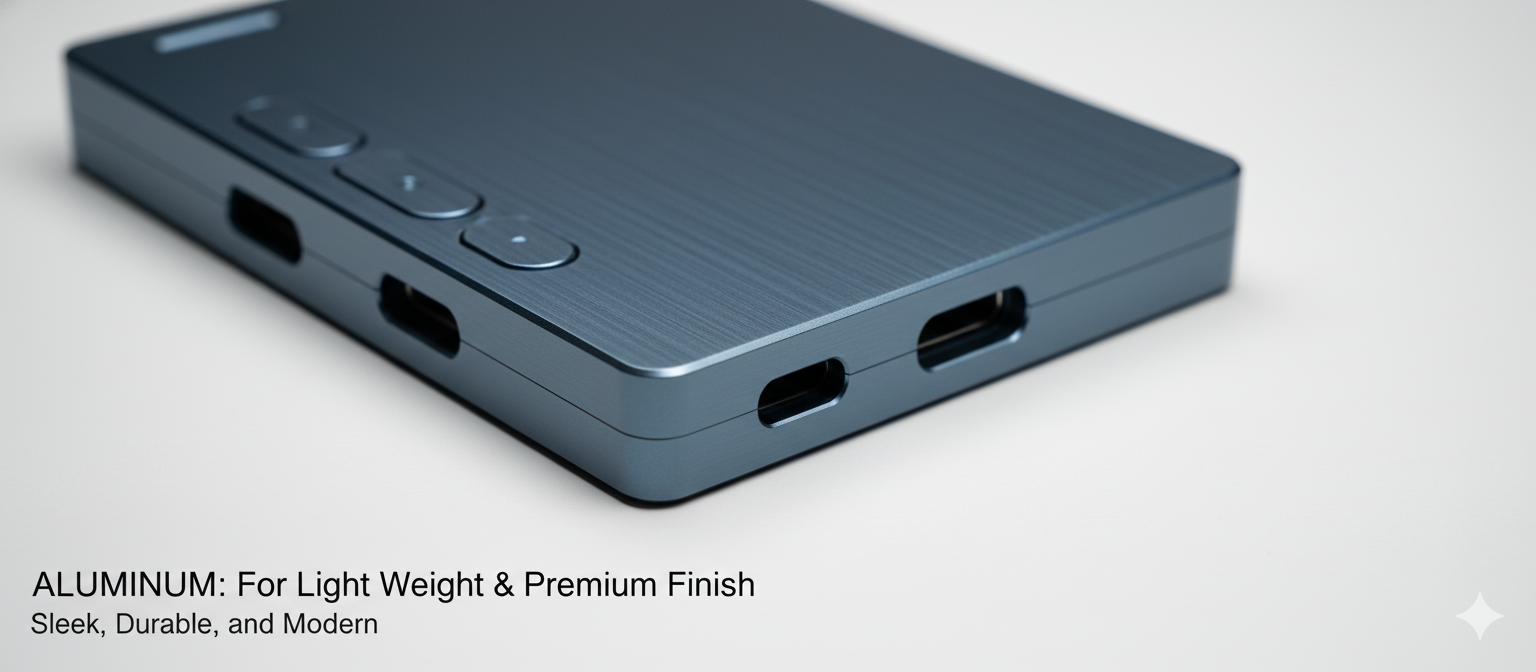
Aluminum is a very popular choice for prototype sheet metal parts. Especially in certain industries.
Its biggest advantage is its low weight. Aluminum is about one-third the weight of steel. This is a huge benefit in industries like aerospace. Every gram saved on an airplane part saves fuel. It is also important in consumer electronics. No one wants a heavy laptop or phone.
Aluminum is also very easy to work with. It is softer than steel. This means it is easier to cut and bend. It also takes surface finishes beautifully. Anodizing is a process that creates a hard, protective layer on aluminum. It can be dyed in many different colors. This gives parts a premium, high-end look. Think about the case of a high-end audio amplifier. It is almost always made from anodized aluminum.
However, aluminum is not as strong as steel. It is also more expensive. So, you must decide what is more important for your project. Is it light weight and a beautiful finish? Or is it raw strength and low cost?
Carbon Steel: For Strength and Low Cost

When strength is the top priority, steel is usually the answer.
Carbon steel is much stronger and harder than aluminum. It can handle much heavier loads. It is also more resistant to dents and impacts. This makes it the perfect choice for industrial applications. Think about the chassis of a large machine. Or a mounting bracket for a heavy motor. These parts need the brute strength that steel provides.
Steel's other big advantage is its low cost. It is one of the most affordable metals. This makes it a great choice for projects where budget is a key concern.
But steel has two main disadvantages. First, it is heavy. This makes it a bad choice for airplanes or portable devices. Second, it rusts. Raw steel will corrode if it is exposed to moisture. This means steel parts almost always need a protective finish. Powder coating is a very common and effective finish for steel parts. It creates a durable, colored layer that protects the metal.
Stainless Steel: For Durability and a Clean Look

What if you need strength, but you also cannot have any rust? This is where stainless steel comes in.
Stainless steel contains chromium. This creates a passive layer on the surface that prevents it from rusting. This makes it the essential choice for certain industries.
In the medical industry, parts must be easy to clean and sterilize. Stainless steel can handle harsh cleaning chemicals without corroding. This is why it is used for surgical tools and medical equipment panels.
It is also used in the food processing industry for the same reason. It is hygienic and durable.
Stainless steel is also very strong. And it has a beautiful, clean appearance. It often does not need any protective coating. A simple brushed finish can look very high-end. The main disadvantage of stainless steel is its cost. It is more expensive than both aluminum and regular carbon steel. It is also harder to work with.
Making the Right Choice
There is no single "best" material for prototype sheet metal parts. The right choice is always a trade-off. It is a balance between weight, strength, corrosion resistance, and cost.
The best way to make a decision is to think about the primary goal of your prototype. What is the most important question you need to answer?
If you are testing the ergonomics of a handheld device, lightweight aluminum is probably the right choice. If you are testing the strength of a structural bracket, steel is the better option.
This is where working with an experienced sheet metal prototyping partner is a huge advantage. Our engineers can help you. We can look at your design and your goals. We can give you expert advice on which material will give you the most valuable information from your prototype. This partnership is the key to making smart decisions early in your design process.

