


Modern manufacturing and material processing require precision, innovation, and strict quality control. From shaping moulds to specialized coatings, industries rely on cutting-edge techniques to ensure durability, functionality, and aesthetic appeal. This article explores key processes such as resin casting, dehumidification, and investment casting, along with applications in painting, ring manufacturing, and diagnostic test kits.
content:
Precision Shaping Mould for High-Quality Output
The Role of Dehumidification in Resin Casting
Investment Casting for Complex Geometries
Enhancing Durability with Advanced Painting Techniques
Quality Assurance in Diagnostic Test Kits Production
Sustainable Practices in Material Processing
Precision Shaping Mould for High-Quality Output
Shaping mould plays a critical role in manufacturing, especially in resin and metal casting. A well-designed mould ensures dimensional accuracy and surface finish, reducing post-processing efforts. For industries producing intricate components—such as jewelry rings or automotive parts—the mould must withstand high pressures and temperatures. Advanced materials like silicone or steel alloys are commonly used, depending on the application.

The Role of Dehumidification in Resin Casting
Resin casting demands controlled environmental conditions to prevent defects like bubbles or uneven curing. Dehumidification systems maintain optimal humidity levels, ensuring consistent resin viscosity and adhesion. This is particularly crucial for orange-coloured or transparent resins, where moisture can cause cloudiness or weakening. Proper climate control also extends the shelf life of raw materials, reducing waste.
Investment Casting for Complex Geometries
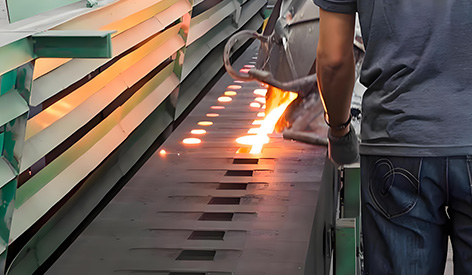
Investment casting, also known as lost-wax casting, is ideal for producing detailed metal components with tight tolerances. This method involves creating a wax prototype, coating it with a ceramic shell, and melting the wax away before pouring molten metal. Industries such as aerospace and medical device manufacturing rely on this technique for high-precision parts. The process also allows for customization, making it suitable for bespoke ring designs.
Enhancing Durability with Advanced Painting Techniques
Painting is not just about aesthetics—it provides corrosion resistance and surface protection. For industrial applications, techniques like powder coating or electrostatic painting ensure uniform coverage and long-lasting finishes. Specialized formulations, such as heat-resistant or UV-protective paints, cater to demanding environments. Orange-coloured coatings, often used for safety markings, require pigments that remain vibrant under harsh conditions.
Quality Assurance in Diagnostic Test Kits Production
Diagnostic test kits must meet stringent accuracy standards. Manufacturing involves precise material selection, including specialized resins and polymers for reagent storage. Dehumidification is critical during assembly to prevent moisture-induced degradation. Each batch undergoes rigorous testing to ensure reliability, particularly in medical or environmental monitoring applications.

Sustainable Practices in Material Processing
As industries move toward eco-friendly solutions, innovations like biodegradable resins and energy-efficient dehumidification systems gain traction. Recycling investment casting materials and optimizing paint formulations reduce environmental impact without compromising quality.
From shaping mould design to dehumidification in resin processing, each step in material manufacturing influences the final product’s performance. Whether producing precision rings, durable painted surfaces, or reliable test kits, integrating advanced techniques ensures superior results. Embracing innovation and sustainability will drive the future of industrial production.

