


Replacing heavy iron brackets with lightweight metals is the ultimate goal for modern transportation and robotics. Hardware engineers absolutely love the strength-to-weight ratio of these specific alloys, but getting them into a usable commercial shape is incredibly violent. Executing the die casting process with these aggressive metals requires extreme temperatures that will literally melt standard factory equipment if mishandled. Sourcing these parts cheaply from inexperienced brokers usually ends in disaster when the raw castings arrive at your assembly line severely warped or scarred.
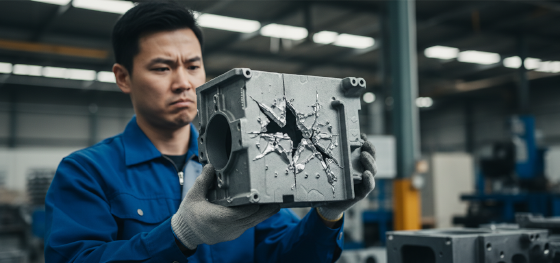
Watching cheap suppliers destroy expensive tooling is a common tragedy in this industry. Poorly managed facilities run their machines too hot, causing the liquid metal to weld itself chemically to the steel mold, physically ripping chunks of metal off your finished part during ejection. Securing reliable, high-strength hardware means partnering with a facility that deeply respects the brutal thermodynamics of the aluminum die casting process.
Managing this hostile environment is what separates global tier-one manufacturers from local machine shops. Let's break down exactly why this specific lightweight metal is so heavily demanded, how it aggressively attacks tooling steel, and how strict thermal control delivers flawless components.
content:
The Weight Advantage: Why Automotive and Aerospace Love It?
Tooling Destruction: The Brutal Reality of Die Soldering
Equipment Setup: Bypassing High-Heat Limitations
JUCHENG Hub: Shenzhen's Turnkey Metal Solution
FAQ: Honest Answers About Alloys, Wear, and Finishing
The Weight Advantage: Why Automotive and Aerospace Love It?
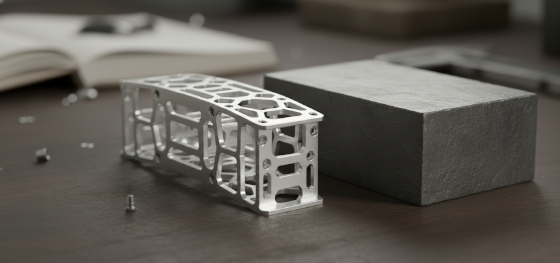
Why do massive industrial manufacturers prefer this specific metal over zinc or steel?
It sheds heat exceptionally well and maintains incredibly high dimensional stability under brutal operational stress, all while shedding nearly sixty percent of the weight of traditional cast iron.
Slashing weight directly increases the battery range of commercial electric vehicles and extends the flight time of heavy-duty drones. You get the incredible structural rigidity needed for engine blocks and telecom base station heatsinks without the massive mass penalty that plagues older hardware designs.
Pushing your design into production using the aluminum die casting process allows you to consolidate dozens of heavy sheet-metal brackets into a single, sleek, monolithic shell. This instantly reduces your assembly labor and slashes your global freight shipping costs.
Tooling Destruction: The Brutal Reality of Die Soldering

What causes the ugly, torn surfaces on cheaply manufactured metal enclosures?
Die soldering occurs when overheating causes the molten alloy to chemically bond with the H13 tool steel, physically ripping metal off the mold surface during the violent ejection phase.
Factory operators must constantly spray precise chemical release agents onto the hot steel cavity to prevent this disastrous chemical welding. If a low-tier broker cuts corners on their internal cooling water lines, the mold inevitably overheats, causing the metal to stick and ruining your entire production run.
Optimizing your aluminum die casting process requires obsessive thermal management. We deploy massive industrial chillers to pull heat out of the mold blocks instantly, guaranteeing your parts drop out of the machine with flawlessly smooth surfaces that are immediately ready for powder coating.
Equipment Setup: Bypassing High-Heat Limitations
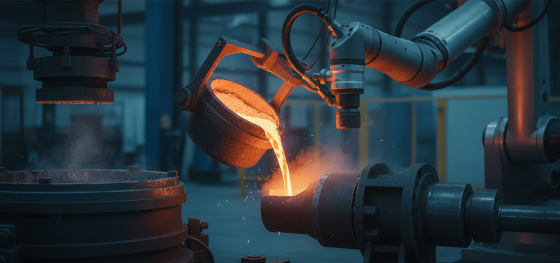
Why can't you process this metal in ultra-fast submerged pump systems?
Because the extreme melting point of the alloy will instantly dissolve the internal pumping mechanisms, requiring physical separation of the furnace from the injection machine.
Selecting the cold chamber die casting process is absolutely mandatory for these high-temperature jobs. Robotic ladles must scoop the glowing liquid precisely and pour it into a chilled steel sleeve just seconds before the hydraulic ram fires.
Managing this rapid transfer perfectly prevents atmospheric oxygen from contaminating the shot and creating brittle oxide inclusions inside your hardware. We utilize highly advanced robotics to ensure every single injection dose is perfectly timed and thermally stable.
JUCHENG Hub: Shenzhen's Turnkey Metal Solution
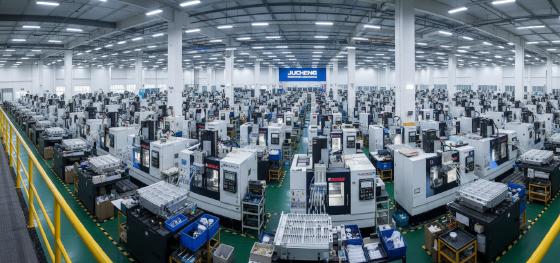
How does Jucheng Precision guarantee absolute dimensional perfection on raw castings?
By transferring the raw cast parts immediately into our massive fleet of 150+ CNC machines for ultra-precise threading, hole tapping, and face milling before they ever leave the factory.
Operating directly within our Shenzhen precision manufacturing hub gives procurement teams a massive logistical advantage. We pour the aggressive alloys, manage the extreme thermal shock, and deliver fully finished, ready-to-assemble hardware without relying on sloppy third-party machine shops.
Stop paying for scrapped parts and ruined tooling. Send your 3D CAD files to our engineering team today for a free DFM review. We will optimize your wall thicknesses, design the perfect thermal extraction paths, and deliver structural components that pass the most rigorous global inspections.
FAQ: Honest Answers About Alloys, Wear, and Finishing
Which specific alloy grade is best for complex, thin-walled heatsinks?
We highly recommend A380 or ADC12 for most commercial applications because they offer the perfect balance of excellent thermal conductivity, castability, and structural rigidity.
Does this metal rust or corrode if deployed in outdoor environments?
No. It naturally forms a microscopic oxide layer that protects it from rusting. For severe marine environments, we easily apply anodizing or powder coating for ultimate protection.
Why is the tooling life shorter compared to zinc manufacturing?
The extreme heat required to keep the metal liquid causes thermal fatigue (heat checking) on the H13 steel mold over time, usually limiting tool life to around 100,000 shots.
Can you cast functional internal threads directly into the part?
Because of the high shrinkage rate, casting fine internal threads is incredibly difficult. We always CNC machine critical threaded holes post-casting to guarantee perfect assembly tolerances.

