


Melting heavy metals like aluminum or magnesium into a glowing liquid creates an incredibly hostile manufacturing environment. Hardware startups often assume all liquid metal behaves the same, completely underestimating how aggressively these specific high-temperature alloys destroy factory equipment. If a supplier tries to submerge their delicate hydraulic pumping mechanisms directly into a vat of boiling aluminum, the metal will literally dissolve the steel pump within hours. Executing the die casting process for high-strength enclosures requires isolating the machine from the brutal heat of the melting furnace. This strict physical separation defines the core architecture of modern heavy metallurgy.
Operating massive machinery in our Shenzhen precision manufacturing hub reveals the hidden dangers of this separation. Because the liquid metal must be physically transferred through the air from the furnace to the machine, you introduce a catastrophic risk of oxygen exposure and temperature loss. Poorly managed factories rely on tired manual laborers to scoop this metal by hand, guaranteeing that every single shot has a different temperature and wildly inconsistent quality.
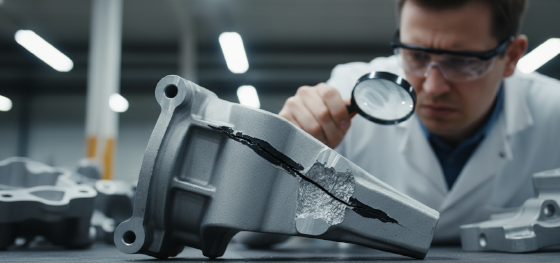
Current [2026] automotive and medical device contracts cannot tolerate brittle parts that snap under pressure. Mastering the cold chamber die casting process demands fully automated robotic ladles and obsessive maintenance of the internal steel injection sleeves. Let's break down exactly why aluminum actively attacks steel molds, how we prevent airborne oxygen from ruining your parts, and why this specific machine setup is the undisputed king of structural hardware.
content:
The Robotic Pour: How the Cold Chamber Actually Works?
Destructive Heat: Why Aluminum Demands This Setup?
Quality Control: Fighting the Threat of Oxide Inclusions
Technical Data: Benchmarking Cold vs. Hot Operations
JUCHENG Hub: Shenzhen's Advanced Post-Machining Arsenal
FAQ: Honest Answers About Shot Sleeves and Cycle Times
The Robotic Pour: How the Cold Chamber Actually Works?
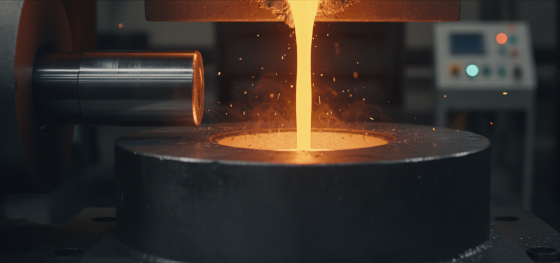
What specifically makes this machine different from other metal presses?
The injection cylinder remains entirely unheated and completely separated from the melting furnace, requiring a robotic arm to pour a precise dose of liquid metal into the sleeve just milliseconds before the hydraulic plunger fires.
Timing dictates everything in this layout. The moment that glowing liquid metal hits the cold steel walls of the shot sleeve, it instantly begins to freeze. If the hydraulic plunger hesitates for even a fraction of a second, you push semi-solid metal chunks into the mold cavity instead of a smooth liquid.
Scrapped batches usually happen because cheap suppliers use manual ladles. A human operator simply cannot pour the metal at the exact same speed and temperature five hundred times a day. We eliminate this fatal human error by deploying ultra-precise robotic ladles that synchronize perfectly with the machine's firing computer, ensuring absolute metallurgical consistency.
Destructive Heat: Why Aluminum Demands This Setup?
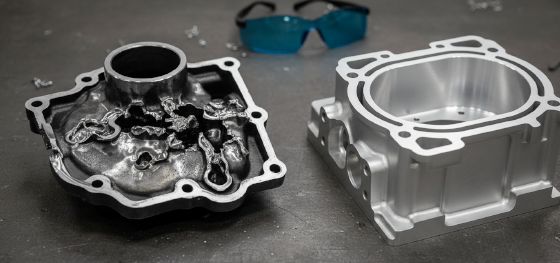
Why can't you just leave the injection pump inside the boiling aluminum pot?
Because molten aluminum possesses an incredibly high affinity for iron; it will chemically attack, dissolve, and literally eat the expensive steel pumping mechanisms if they are left submerged.
Hardware engineers looking to scale up usually select the aluminum die casting process because it delivers an unbeatable strength-to-weight ratio for massive automotive components. However, dealing with a metal that melts at roughly 1,200 degrees Fahrenheit (660°C) completely changes the factory floor dynamics.
Protecting the machinery requires keeping the aggressive liquid completely isolated until the very last second. Even with this separation, the violent rush of hot aluminum eventually wears down the internal shot sleeve. We obsessively monitor the diameter of our sleeves and plungers; if a gap forms from wear, pressure leaks out, and your parts end up riddled with internal air voids.
Quality Control: Fighting the Threat of Oxide Inclusions
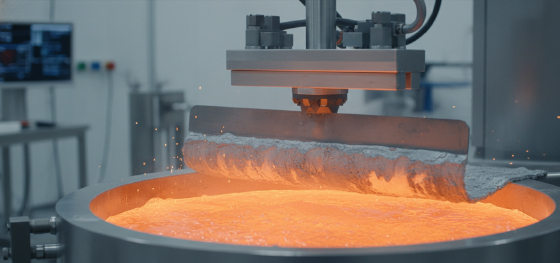
What happens when molten metal travels through the air before injection?
The extreme heat reacts instantly with atmospheric oxygen, creating a hard, brittle skin of aluminum oxide (dross) that can get pushed into your part, severely compromising its structural integrity.
Finding black, flaky streaks inside a freshly machined metal housing is a nightmare for procurement teams. These oxide inclusions act like microscopic stress fractures. If you install a defective, oxidized part into a vibrating engine bay or a heavy-duty drone, it will shatter under load.
Jucheng Precision actively combats this chemical threat on the factory floor. Our operators constantly skim the protective slag layer off the holding furnaces, and our robotic ladles are programmed to dip below the surface line to scoop only pure, uncontaminated virgin metal. This intense discipline guarantees your enclosures arrive with maximum metallurgical density.
Technical Data: Benchmarking Cold vs. Hot Operations
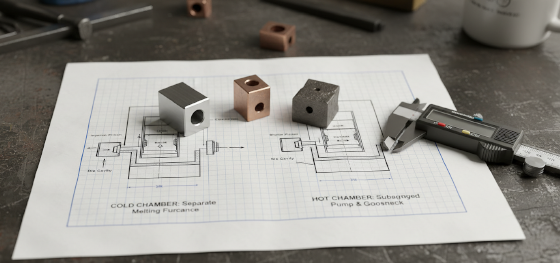
Understanding the physical limits of the machinery prevents catastrophic supply chain delays. The following matrix explains why scaling high-strength alloys requires a completely different logistical approach than scaling softer metals.
| Operational Metric | JUCHENG Cold Chamber Process | Standard Hot Chamber Process |
|---|---|---|
| Primary Alloys Processed | Aluminum, Brass, Magnesium (High-heat) | Zinc, Lead, Certain Magnesiums (Low-heat) |
| Production Cycle Speed | Moderate (Robotic ladle adds seconds) | Extremely Fast (Continuous submerged pump) |
| Tooling & Machine Wear | High (Requires frequent plunger replacement) | Low (Submerged parts experience less shock) |
| Oxygen Contamination Risk | High (Requires strict robotic skimming) | Zero (Metal sealed inside the gooseneck) |
Accepting the slightly slower cycle time of this architecture is the mandatory tax you pay for incredible part strength. You simply cannot build a crash-resistant automotive transmission case out of soft zinc. Hardware teams must balance their demand for speed against the unyielding physical realities of high-temperature metallurgy.
JUCHENG Hub: Shenzhen's Advanced Post-Machining Arsenal
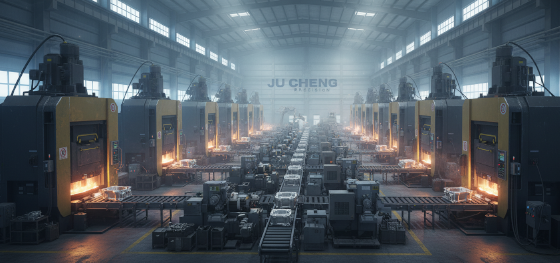
Why must a cold chamber facility also own massive CNC machining centers?
Because extreme temperature fluctuations often cause minor surface variations on raw aluminum castings, requiring 5-axis CNC machines to mill the final mating surfaces to absolute zero-gap tolerances.
Trusting a supplier who only pours metal but outsources the machining guarantees a logistical nightmare. If an oxide inclusion shatters a cutting tool at a third-party CNC shop, they will immediately halt production and demand you pay for the broken equipment.
Operating everything inside our Shenzhen precision manufacturing hub eliminates this friction completely. We pour the aggressive aluminum, manage the extreme thermal shock, and immediately load the parts into our fleet of 150+ CNC machines. Send your 3D models to our engineering team today, and secure a turnkey partner who actually understands the brutal chemistry of metal injection.
FAQ: Honest Answers About Shot Sleeves and Cycle Times
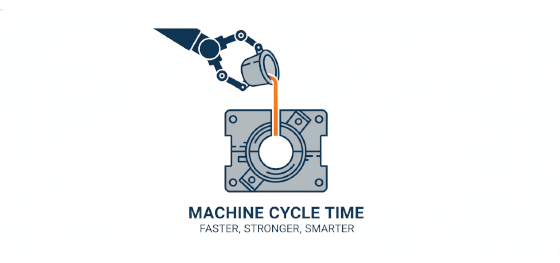
What happens if the plunger tip wears out during a production run?
Molten aluminum will blow back past the seals, dropping the injection pressure massively. We prevent this by replacing the beryllium copper plunger tips proactively before they fail.
Can magnesium be processed in both cold and hot chamber machines?
Yes. Depending on the specific magnesium alloy grade and the size of the part, it can technically be processed in either machine architecture.
Why is the cold chamber process slightly more expensive per unit?
The abrasive nature of boiling aluminum requires frequent replacement of expensive machine consumables, and the robotic transfer adds seconds to every cycle, increasing overhead.
Does the robotic ladle scratch the inside of the steel furnace?
No. The robotic ladles are coated with specialized refractory ceramics that repel liquid metal and prevent the tool itself from melting into the aluminum supply.

