


Reviewing a raw, flat-rate factory quote without examining the microscopic details is a massive gamble for any hardware team. Procurement directors frequently celebrate a low initial price, completely unaware that hidden surcharges will soon explode their total project capitalization. Analyzing a comprehensive die casting cost breakdown upfront remains the only reliable way to protect your venture capital.

Unmasking mystery line items keeps your cash flow secure throughout the entire development lifecycle. Every single geometry, from tight tolerances to complex side sliders, directly drives up your ongoing die casting cost. Managing these expenses determines whether your product succeeds commercially or collapses under heavy debt.
Demanding absolute financial transparency separates elite manufacturing partners from low-tier brokers. Let's dissect how standard factories allocate your capital, uncover the hidden trapdoors of scrap rates and tariffs, and explain how secondary processing alters the final invoice.
content:
Mapping Your Expenses: Dissecting the Metallurgy Pie Chart
Hidden Financial Trapdoors: Scrap Rates, Freight, and Tariffs
Post-Processing Pitfalls: Managing the Secondary Machining Bill
Transparent Quoting: Demanding Zero Hidden Factory Surcharges
FAQ: Honest Answers About Amortization and Quotes
Mapping Your Expenses: Dissecting the Metallurgy Pie Chart

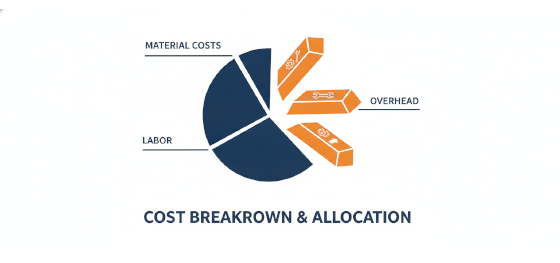
What are the actual mathematical percentages of a standard metal injection budget?
Tooling generally consumes forty percent of early project capital, raw material ingots take thirty percent, and factory machine runtime and setup fees absorb the remaining thirty percent.
Amortizing your upfront tooling investment over a massive production run shifts these percentages drastically. If your design utilizes heavy steel molds, that initial mold tooling fee dominates your early balance sheets but drops to fractions of a penny over millions of cycles.
Reviewing your custom die casting cost breakdown early prevents you from over-specifying cosmetic features. We actively help hardware teams analyze these exact ratios to ensure they invest their capital strictly where performance matters.
Hidden Financial Trapdoors: Scrap Rates, Freight, and Tariffs
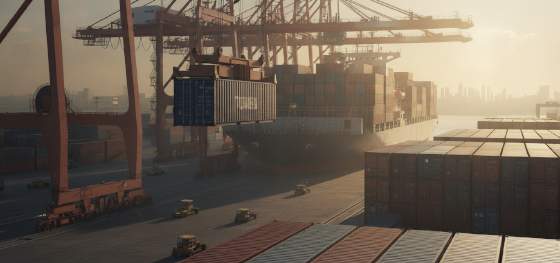
Why do standard manufacturing invoices frequently exceed the original agreed estimate?
Because low-tier foundries hide their high casting scrap rates, custom wooden packing crate fees, and international customs tariffs deep within the fine print.
Scrap rates represent the silent killer of hardware margins. If a poorly designed mold traps air continually, a twenty percent part rejection rate will drastically increase your raw material billing.
Navigating international logistics requires absolute honesty from your supplier. Your final invoice must explicitly account for protective wooden flight cases and import duties, ensuring your cargo clears customs without any unexpected financial friction.
Post-Processing Pitfalls: Managing the Secondary Machining Bill
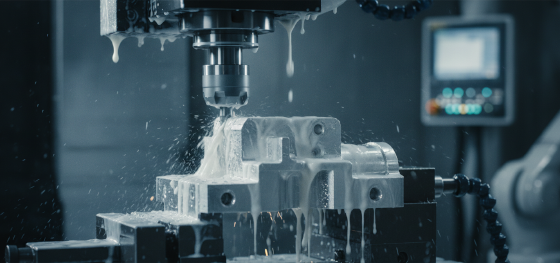
Why does a raw as-cast part require expensive secondary CNC processing?
Because liquid metal shrinks unpredictably during cooling, making 5-axis milling mandatory to cut watertight O-ring grooves and precise mounting threads.
Paying separate factories to cast, machine, and paint your parts is a massive logistical mistake. This fragmented approach inflates your die casting post processing cost through multiple shipping fees and high vendor administration overhead.
Consolidating these secondary operations under one roof drives down your final invoice significantly. Our automated finishing lines and extensive CNC bays ensure your raw parts transition instantly to final surface coating.
Transparent Quoting: Demanding Zero Hidden Factory Surcharges

Comparing raw numbers from different suppliers requires a highly standardized diagnostic baseline. The comparison table below outlines how a professional contract manufacturer details your project variables honestly.
| Quote Category | Turnkey Manufactory Standards | Standard Broker Practices |
|---|---|---|
| Tooling NRE Fee | Fully itemized (Molds, sliders, inserts) | Single flat sum (Hidden fees) |
| Post-Machining Rate | Billed by precise CNC spindle time | Estimated flat rates |
| Material Waste Rate | Included in the initial calculation | Added as separate scrap fees |
Trusting brokers who provide single-line pricing estimates is highly dangerous. Jucheng Precision operates with a transparent, fully itemized die casting cost breakdown format, detailing exactly how many pennies go toward raw material, energy, and quality inspection.
Stop paying for mystery surcharges and administrative padding. Send your complex CAD files to our engineering team today for a comprehensive, manual DFM flow analysis and secure a guaranteed, transparent commercial quote.
FAQ: Honest Answers About Ingot Fluctuations and Setup Fees
How do global metal ingot price fluctuations impact my piece part price?
Molten aluminum and zinc commodity prices change daily on global markets. We lock in your raw material costs with our long-term supplier contracts, protecting your budget from sudden economic volatility.
Why do factories charge expensive setup and machine calibration fees?
Running a massive hydraulic press requires hours of manual labor to mount the heavy steel mold, pre-heat the cavity, and calibrate the injection parameters, requiring a flat setup fee regardless of batch size.
Does the complexity of the internal gating system increase my cost breakdown?
Yes, complex runner channels consume more raw metal per shot. We design highly optimized gating paths to minimize excess scrap metal, keeping your material waste exceptionally low.
Will the factory provide complete traceability records for our medical components?
Providing complete chemical certifications (CoA), dimensional inspection reports, and RoHS compliance certificates with every single delivery is our standard practice, included entirely free of charge.

