


Paying five figures for a custom metal mold represents a massive financial barrier for early-stage hardware innovators. Procurement teams often panic when they receive their first official tooling quotes, completely unaware that mold complexity dictates their entire project capitalization. Calculating your die casting mold cost accurately prevents your startup from taking on devastating development debt before first flight trials.
Defaulting blindly to massive, multi-cavity production tooling is a common financial mistake. Every single sliding core and tight tolerance on your CAD file directly inflates your initial die cast tooling cost. Managing this upfront capital expense determines whether your ongoing die casting cost remains competitive or destroys your profit margins entirely.
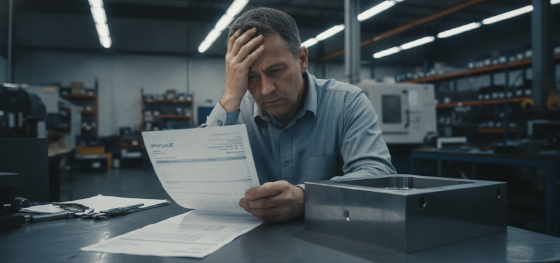
Sourcing cost-effective tooling requires understanding the mechanical variables of the factory floor. Let's dissect why complex steel dies require severe budgets, evaluate the financial trade-offs of multi-cavity designs, and explore how modular mold systems slash initial expenses by half.
content:
Engineering Obstacles: Why Molds Require Severe Budgets
Volume Trade-Offs: Single-Cavity vs. Multi-Cavity Economics
Tooling Longevity: Maximizing Shots Across Different Alloys
Rapid Tooling: Cutting Initial Capital Expenses by Half
FAQ: Honest Answers About Tooling Amortization and Rebuilds
Engineering Obstacles: Why Molds Require Severe Budgets
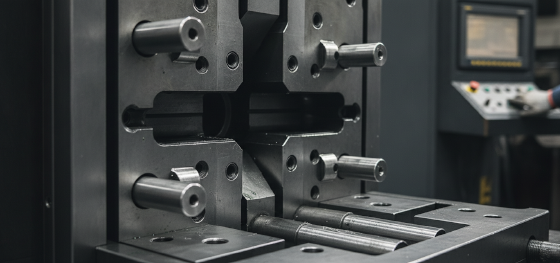
Why do custom metal injection dies cost so much to design and machine?
Because containing liquid metal under hundreds of tons of hydraulic pressure demands expensive materials like H13 tool steel machined via slow, high-precision CNC equipment.
Melting points heavily impact material costs. Raw tool steel must undergo rigorous, multi-stage thermal hardening cycles inside specialized furnaces before it can safely withstand the brutal thermal shock of boiling aluminum.
Intricate geometric features inflate the machining time exponentially. If your 3D CAD design contains side-facing holes or internal undercuts, the toolmaker must design complex, moving hydraulic sliders to pull the steel pins away before the part ejects, driving up the baseline die casting mold cost significantly.
Volume Trade-Offs: Single-Cavity vs. Multi-Cavity Economics
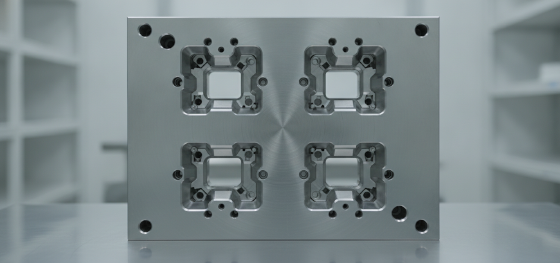
How does cavity count impact your ongoing piece part price?
Single-cavity molds require the lowest upfront tooling investment but yield higher piece costs, whereas multi-cavity molds multiply your initial expenses while slashing your ongoing production overhead.
Designing a single-cavity mold is the smartest financial path for initial product launches. It allows you to validate your market demand and secure cash flow without committing to massive capital debts early in your product lifecycle.
Pushing past ten thousand units demands upgrading your strategy. Machining four or eight identical cavities into a single mold block allows the machine to spit out multiple parts in a single cycle, drastically dropping your machine runtime billing.
Tooling Longevity: Maximizing Shots Across Different Alloys
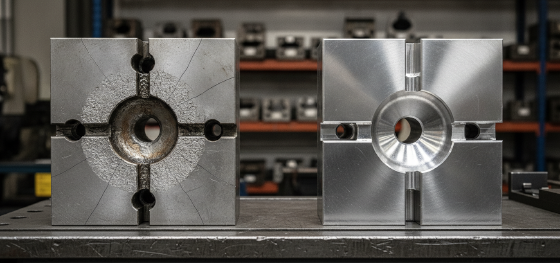
Does the specific metal alloy you inject alter the physical lifespan of the mold?
Yes, low-melting-point alloys like zinc Zamak alloys process at much cooler temperatures, reducing thermal shock and allowing the exact same steel tool to survive over a million injections without degrading.
Processing high-heat metals like aluminum severely punishes the steel cavity. The constant thermal expansion and contraction cause micro-cracks on the mold surface, typically limiting tool life to roughly 100,000 shots.
Transitioning your structural designs to highly fluid zinc changes the financial math entirely. Because the mold lasts ten times longer, your amortized die casting mold cost drops to mere fractions of a penny, making your ongoing zinc die casting cost remarkably efficient.
Rapid Tooling: Cutting Initial Capital Expenses by Half
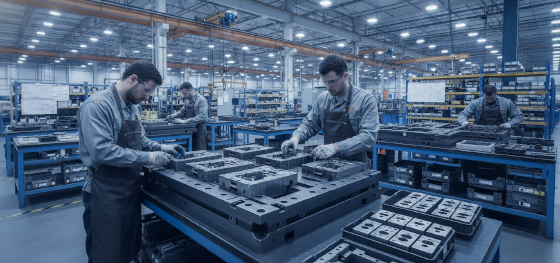
Can you mold commercial-grade parts without paying for expensive mass-production molds?
Yes, utilizing modular mold bases and softer steel alloys allows factories to produce custom high-fidelity parts while bypassing the high expenses of traditional tooling.
Outsourcing your tooling to traditional foundries forces you into massive, rigid contract commitments. We actively bypass this financial bottleneck by deploying proprietary rapid tooling technologies built specifically for innovative startups and low-volume trials.
Utilizing pre-machined modular mold bases allows us to cut only the specific cavity inserts required for your unique design. This method eliminates raw steel waste, slashes our CNC machining time by weeks, and reduces your upfront die casting mold cost by up to sixty percent.
FAQ: Honest Answers About Tooling Amortization and Rebuilds
Does Jucheng Precision charge extra maintenance fees if a mold wears out?
No, routine mold maintenance, polishing, and minor sliding pin replacements are managed entirely in-house under our standard tooling warranties, ensuring zero unexpected financial surprises.
Can I use an existing plastic injection mold to cast aluminum parts?
Under no circumstances can a plastic mold be used; the extreme heat and violent hydraulic pressure of molten aluminum will instantly warp and destroy the soft cavity.
How do you verify the tool dimensions before running main production?
We execute meticulous first article inspections, scanning the early physical samples using coordinate measuring machines (CMM) to guarantee the steel cavity matches your exact CAD tolerances.
Welding and re-machining features on hardened steel is highly difficult but possible for minor changes?
Providing complete material chemical certifications (CoA), dimensional inspection reports, and RoHS compliance certificates with every single delivery is our standard practice, included entirely free of charge.

