


Designing hardware that must survive continuous rain, high humidity, and aggressive outdoor exposures requires built-in metallurgical defenses. Opting for galvanized sheet metal fabrication provides the ideal blend of high mechanical strength, excellent cost-efficiency, and robust atmospheric corrosion protection. This process utilizes carbon steel plate stock where a protective zinc coating is metallurgically bonded to the steel surface, creating a dual-layer barrier that blocks moisture and prevents rust.
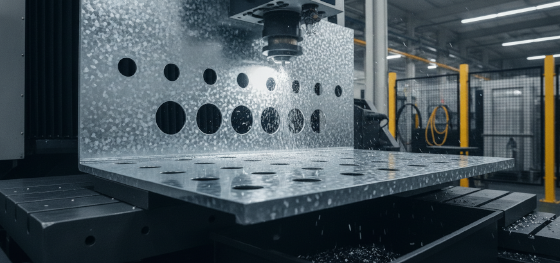
Standard steel panels are incredibly rigid but require extensive, expensive painting setups to survive outdoor use. If the painted surface is scratched in the field, moisture instantly reaches the raw iron, initiating rapid rust that bubbles beneath the coating. Utilizing zinc-coated sheets completely resolves this issue by providing a self-healing cathodic shield that actively protects exposed edges and light scratches.
Balancing the corrosion protection of the zinc layer against the technical challenges of thermal welding separates high-durability assemblies from poor, defect-ridden structures. Let's examine how zinc provides sacrificial protection, analyze the strict safety ventilation required during welding, and compare galvanized steel directly against stainless steel for cost-effective outdoor design.
content:
How Galvanization Protects Against Rust
The Challenges of Welding Galvanized Steel
Galvanized vs. Stainless Steel
Custom Galvanized Steel Solutions by JUCHENG
FAQ: Critical Questions About Galvanized Sheet Metal Fabrication
How Galvanization Protects Against Rust
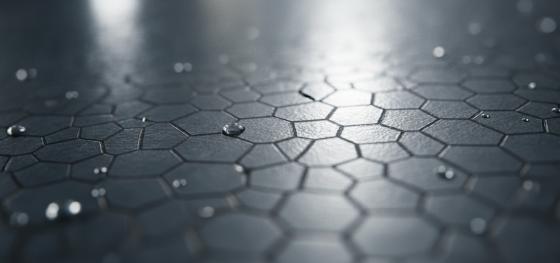
How does a galvanized zinc layer actively prevent iron oxidation?
The zinc layer provides a physical barrier blocking atmospheric moisture, while simultaneously offering sacrificial cathodic protection where the zinc corrodes first to preserve the underlying steel.
The primary mechanism behind this durability is the hot-dip or electro-galvanized zinc coating. Zinc is chemically more active than iron, meaning it possesses a higher galvanic potential. When the outer surface is scratched, exposing the steel core, the surrounding zinc acts as a sacrificial anode.
We define this biochemical reaction as cathodic protection. The zinc slowly oxidizes to form a protective layer of zinc oxide and zinc carbonate, blocking moisture from penetrating deeper. This self-healing migration actively prevents rust from creeping beneath paint layers, making galvanized steel highly valued for outdoor cabinets, structural brackets, and agricultural equipment.
The Challenges of Welding Galvanized Steel
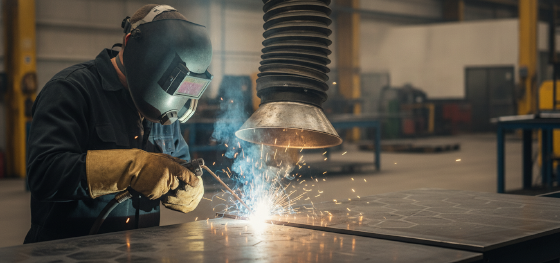
What makes welding zinc-coated steel more difficult than standard carbon steel?
Zinc possesses a low vaporization temperature of 907 degrees Celsius, meaning the intense heat of a welding arc instantly vaporizes the coating, creating toxic white fumes and causing weld porosity.
While the raw material offers exceptional corrosion resistance, executing galvanized sheet metal fabrication introduces severe challenges in the welding booth. As the arc ignites, the zinc coating instantly vaporizes and burns, forming thick, white zinc oxide smoke. If inhaled, these fumes can cause metal fume fever, an acute flu-like illness that represents a serious health hazard for operators.
To manage these metallurgical and environmental challenges, our facilities utilize high-capacity, flexible fume extraction systems directly at the weld joint. Additionally, our certified welders physically grind away the zinc coating from the weld zone before joining, ensuring a clean, steel-to-steel fusion that eliminates weld porosity. We then apply specialized zinc-rich cold galvanizing sprays to rebuild the corrosion barrier over the cooled weld seams.
Galvanized vs. Stainless Steel

When should a product designer specify galvanized steel over stainless steel?
Specify galvanized steel when budget-friendliness and high structural strength are key drivers; select stainless steel when extreme chemical resistance, medical-grade hygiene, or maximum lifespan are required.
Understanding the material cost-to-performance ratio is critical when designing outdoor hardware. While stainless steel (such as Grade 316) provides unmatched lifetime corrosion resistance, its raw material cost is significantly higher, and its high hardness makes it difficult to shear and form in high volumes.
Galvanized carbon steel is a highly economical alternative. It offers the same high mechanical strength as standard mild steel but utilizes its sacrificial coating to survive harsh atmospheric conditions. This makes it the preferred alloy for heavy structural brackets, outdoor HVAC housings, and utility enclosures where cost-efficiency is paramount. Here is a direct comparison of the two materials:
| Material Variable | Galvanized Steel (e.g., SGCC) | Stainless Steel (e.g., SUS304) |
|---|---|---|
| Protection Mechanism | Sacrificial anode zinc layer (Cathodic) | Self-healing chromium oxide passive layer |
| Raw Material Cost | Low to Moderate (Highly economical) | High (Premium pricing) |
| Forming & Machining | Excellent (Soft zinc doesn't harden tooling) | Moderate (Rapidly work-hardens) |
| Typical Lifespan (Outdoor) | 15 to 30 Years (Depending on zinc thickness) | 50+ Years (Impervious to atmospheric rust) |
Custom Galvanized Steel Solutions by JUCHENG
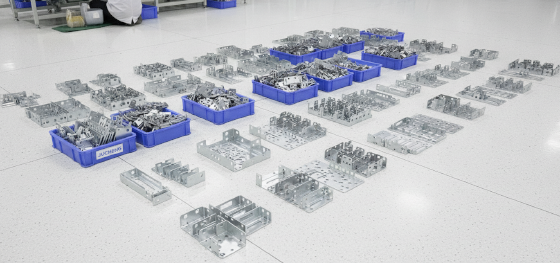
How does JUCHENG guarantee tight tolerances and high corrosion resistance on galvanized assemblies?
We operate high-power fiber laser cutters and high-tonnage press brakes managed by skilled technicians, utilizing post-cut zinc spraying to protect raw edges from oxidation.
Choosing this rust-resistant sheet metal material ensures that your outdoor frames and base station cabinets maintain structural integrity under continuous environmental stress. JUCHENG integrates advanced shearing, punching, and forming systems into our full-service production lines. This allows us to transition your 3D models into fully finished, durable hardware with extreme dimensional accuracy.
We operate an IATF 16949 and ISO 13485 certified facility, utilizing over 150 high-performance manufacturing machines to execute complex stamping and forming runs. Our engineering team provides a 24-hour free DFM analysis to evaluate your CAD designs, checking flat blank layouts and hole clearances before production. Supported by our no MOQ policy and rapid delivery guarantee, we manage your project from initial flat pattern cutting to final packaging and assembly.
FAQ: Critical Questions About Galvanized Sheet Metal Fabrication
What causes zinc-coating peeling, and how does JUCHENG prevent it?
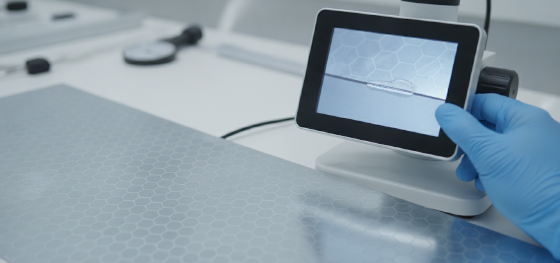
Zinc peeling is typically caused by poor surface adhesion during the hot-dip process at the steel mill, or by executing extremely tight bends that stretch the coating past its physical limits. We utilize premium-grade, highly formable galvanized sheets (such as SGCC or DX51D) with outstanding zinc-iron bonding, ensuring the coating remains intact even after complex forming steps.
Can galvanized steel be painted or powder-coated successfully?
Yes, but galvanized steel requires careful pre-treatment. The zinc surface is naturally slick and can contain trace oils that prevent paint adhesion. We run our galvanized parts through an iron phosphate chemical wash to degrease and etch the zinc surface, ensuring a high-strength bond for our electrostatic powder coatings.
Why does laser cutting galvanized steel require high-pressure nitrogen instead of oxygen?
Oxygen assist gas reacts with the zinc coating, causing extreme edge burning and a thick, dark oxide scale. Utilizing high-pressure nitrogen assist gas cools the cut edge and completely blows away the molten zinc, delivering a clean, bright edge that is free from burning and ready for secondary assembly.
How does JUCHENG prevent edge corrosion during galvanized sheet metal fabrication?
When we laser cut or punch galvanized sheets, the raw steel core is exposed along the cut edges. To prevent oxidation, we apply a professional zinc-rich cold-galvanizing coating to all freshly cut edges. Over time, the surrounding zinc naturally migrates slightly over the edge to provide sacrificial protection, keeping the entire component free from edge rust.

