


Spraying wet color directly over raw hardware creates a guaranteed cosmetic disaster. Factory operators aggressively spray silicone-based mold release agents into the hot steel cavity during injection to prevent the molten metal from sticking. This invisible, highly slippery chemical residue remains baked onto the metal skin long after it cools down on the assembly line. Attempting to figure out how to paint die cast parts without violently scrubbing this invisible contamination away forces your expensive topcoat to bond with the slippery dirt instead of the actual alloy structure.

Scraping flaking paint off rejected medical ventilators destroys assembly budgets rapidly. Hardware engineers must respect the brutal chemistry required to secure wet polymers permanently to cold metal. Operating our advanced Shenzhen finishing hub, JUCHENG executes strict multi-stage chemical preparations to lock your luxury aesthetics down permanently without suffering from outgassing or peeling.
Mastering this specific liquid application ensures your commercial devices look flawlessly premium in the field. Let's explore the critical ultrasonic degreasing phases, evaluate specific chemical primers, and analyze exactly when wet liquid sprays severely outperform heavy baked plastics in the commercial market.
content:
Step 1: Cleaning and Degreasing the Substrate
Step 2: Applying the Right Chemical Primer
Step 3: Liquid Painting vs. Heavy Powder Coating
JUCHENG Hub: Shenzhen's Dust-Free Paint Arsenal
FAQ: Honest Answers About Baking Temps and Masking
Step 1: Cleaning and Degreasing the Substrate
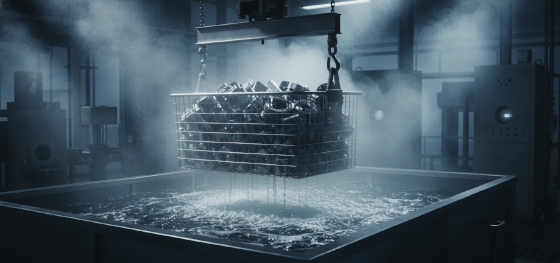
Why does washing the metal with basic soap fail to remove factory contaminants?
Industrial mold release agents and CNC cutting fluids deeply penetrate the microscopic pores of the metal, requiring violent ultrasonic cavitation and high-alkaline chemical baths to physically tear the grease out of the alloy.
Scrubbing raw metal by hand simply pushes the greasy lubricants further into the microscopic valleys of the casting. When the wet primer hits those oily spots, it actively repels the liquid, creating tiny bare craters called "fish-eyes" that ruin the smooth aesthetic instantly.
Submerging the entire batch into heated ultrasonic cleaning tanks guarantees absolute purification. High-frequency sound waves create millions of microscopic exploding bubbles that blast the invisible silicone residue off the metal, delivering a virgin surface prepared for chemical bonding.
Step 2: Applying the Right Chemical Primer

What specifically prevents the cured paint from flaking off during an impact?
Applying a specialized acidic wash primer or conversion coating etches jagged microscopic crystals into the smooth metal, providing aggressive mechanical hooks for the wet topcoat to bite into.
Bare alloys physically reject liquid polymers. Spraying expensive color directly onto clean aluminum guarantees the finish will shatter the moment a technician accidentally drops a wrench on it. You must build a transitional chemical bridge between the cold steel and the soft plastic.
Deploying specialized chromate conversion coating die casting baths solves this bonding crisis perfectly. This highly engineered pre-treatment simultaneously halts galvanic rust and acts like double-sided tape. Engineers constantly researching how to paint die cast parts successfully eventually realize this foundational chemical layer is absolutely non-negotiable for commercial survival.
Step 3: Liquid Painting vs. Heavy Powder Coating

Selecting the final cosmetic chemistry drastically alters your visual tolerances. The engineering matrix below helps procurement teams decide when to use thin wet sprays versus heavy baked plastics.
| Cosmetic Coating Type | Primary Visual Advantage | Best Commercial Application |
|---|---|---|
| Wet Polyurethane Paint | Incredibly thin, preserves sharp laser-cut logos and fine metallic details flawlessly. | High-end medical devices, premium camera bodies. |
| Electrostatic Powder | Massively thick armor, hides shallow flow marks and minor scratches perfectly. | Rugged outdoor telecom boxes, automotive brackets. |
| Two-Part Epoxy Wet Spray | Extreme chemical resistance without requiring intense 400-degree baking ovens. | Industrial fluid pumps, harsh chemical enclosures. |
Specifying thick aluminum die casting powder coating works beautifully for heavy infrastructure, but it visually rounds off sharp corners and fills in delicate CNC-machined text. Wet sprays lay down remarkably flat, keeping your crisp industrial design fully intact.
Optimizing your ultimate die casting surface finish requires matching the viscosity of the coating to the details of the CAD file. Wet polyurethane delivers that smooth, premium automotive gloss that luxury buyers instantly recognize and demand.
JUCHENG Hub: Shenzhen's Dust-Free Paint Arsenal
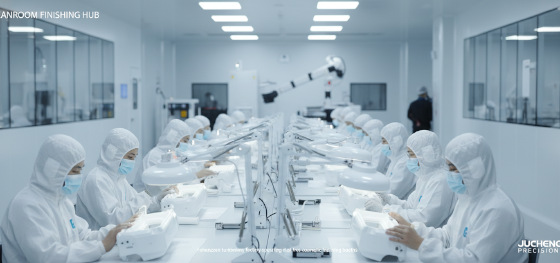
Why must liquid cosmetics be applied strictly inside pressurized cleanrooms?
Airborne dust and microscopic factory debris will instantly embed themselves into the wet polyurethane before it cures, creating ugly physical bumps that ruin the pristine high-gloss reflection.
Consolidating your supply chain eliminates cosmetic contamination. Shipping freshly washed bare metal to a third-party garage spray shop guarantees dust inclusions and transit scratches. We keep your high-value hardware sealed safely inside our pressurized finishing bays.
Stop accepting patchy, peeling hardware from disorganized vendors. Send your aesthetic CAD models to our engineering team today. We meticulously execute the ultrasonic degreasing, apply the rigid chemical anchors, and deliver visually breathtaking commercial enclosures.
FAQ: Honest Answers About Baking Temps and Masking
Does applying wet spray coatings cause outgassing blisters like powder coating?
Rarely. Because wet sprays typically air-cure or bake at significantly lower temperatures (around 150°F), the trapped internal gases never get hot enough to expand and rupture the surface.
Can you match specific corporate Pantone colors using wet chemicals?
Absolutely. Liquid mixing allows for infinitely precise color matching, including highly specific metallic flakes and pearlescent effects that are incredibly difficult to replicate with dry powders.
Will the liquid primer fill up my microscopic threaded screw holes?
Wet sprays apply much thinner than dry polymers, but they still add measurable thickness. We utilize custom silicone plugs to manually mask off all critical CNC-machined threads prior to spraying.
Can you apply this liquid finish directly over an anodized aluminum surface?
Yes, a lightly anodized surface actually acts as a fantastic porous base layer for wet topcoats to grip onto, offering an extreme dual-layer defense against harsh saltwater environments.

