


Liquid silicone, also known as liquid silicone rubber (LSR), is a versatile, high-performance elastomer widely used in industries ranging from medical devices to automotive components. Its unique properties—such as flexibility, heat resistance, and biocompatibility—make it ideal for precision manufacturing. Unlike traditional rubber, liquid silicone offers superior durability and can be molded into complex shapes with high accuracy.
content:
Liquid Silicone vs. Rubber for Molds
Injection Molding with Liquid Silicone
Frio Applications: Liquid Silicone in Cooling Systems
Clear Liquid Silicone for Optical and Medical Uses
Molding Techniques for Liquid Silicone
Liquid Silicone as Glue and Adhesive
Liquid Silicone vs. Rubber for Molds
When selecting a material for molds, liquid silicone outperforms conventional rubber in several ways. While rubber molds are cost-effective for simple applications, liquid silicone provides better heat resistance (up to 300°C or more) and maintains stability under repeated use. Additionally, liquid silicone molds exhibit excellent release properties, reducing the need for frequent mold maintenance. This makes LSR the preferred choice for high-volume production runs in industries like aerospace and consumer electronics.
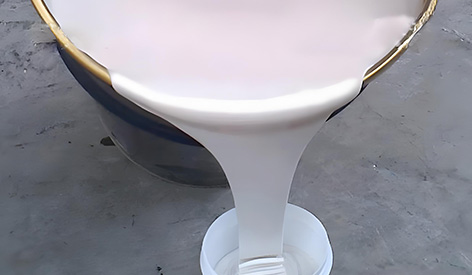
Injection Molding with Liquid Silicone
Injection molding is one of the most efficient methods for processing liquid silicone. The two-part LSR material is injected into a heated mold, where it cures rapidly to form precise, high-quality parts. This process is ideal for producing intricate components with tight tolerances, such as medical seals or automotive gaskets. Compared to traditional rubber injection molding, LSR injection molding offers faster cycle times and better consistency, making it a cost-effective solution for mass production.
Frio Applications: Liquid Silicone in Cooling Systems
Liquid silicone plays a crucial role in cooling systems, particularly in Frio (cooling) technology. Its thermal stability and insulating properties make it perfect for manufacturing heat-resistant gaskets, seals, and thermal barriers. In electronics, LSR is used to create protective coatings that dissipate heat while maintaining electrical insulation. This ensures the longevity and reliability of sensitive components in high-temperature environments.
Clear Liquid Silicone for Optical and Medical Uses
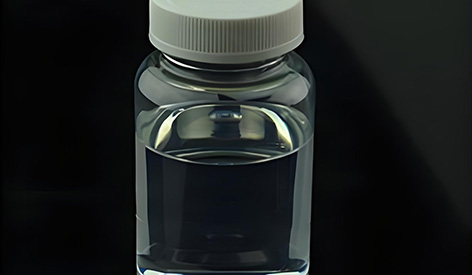
Clear liquid silicone is highly valued in industries requiring transparency and biocompatibility. Medical-grade LSR is used for catheters, respiratory masks, and other devices that demand clarity for visual inspection. Additionally, clear silicone is popular in optical applications, such as lenses and light guides, due to its excellent light transmission properties. Unlike traditional rubber, which often yellows over time, clear LSR remains stable and retains its optical clarity even after prolonged exposure to UV light.
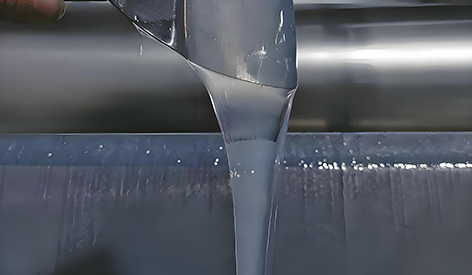
Molding Techniques for Liquid Silicone
Liquid silicone molding encompasses various techniques, including compression molding, transfer molding, and injection molding. Each method offers distinct advantages depending on the application. Compression molding is ideal for low-volume production, while injection molding excels in high-precision, high-volume manufacturing. The ability of LSR to replicate fine details makes it perfect for creating intricate molds for prototypes or end-use parts.
Liquid Silicone as Glue and Adhesive
Beyond molding, liquid silicone serves as an effective glue and adhesive in industrial and consumer applications. Its strong bonding capabilities, flexibility, and resistance to extreme temperatures make it ideal for sealing and joining materials like metals, plastics, and glass. Unlike conventional rubber adhesives, silicone-based adhesives remain stable under harsh conditions, including exposure to chemicals and moisture. This makes them indispensable in construction, automotive assembly, and electronics manufacturing.
Liquid silicone is a game-changing material in modern manufacturing, offering unmatched versatility, durability, and precision. Whether used in injection molding, cooling systems, medical devices, or as an adhesive, LSR outperforms traditional rubber in nearly every aspect. As industries continue to demand higher performance and reliability, liquid silicone will remain a critical component in advanced manufacturing processes.

