


Replacing cheap plastic housings with premium metal is the ultimate goal for modern electronics and electric vehicle manufacturers. Consumers instantly recognize the cold, rigid feel of a metallic laptop or camera body, associating it with premium build quality. However, utilizing heavy traditional metals immediately ruins the portability of handheld devices and drastically reduces the battery range of commercial drones. Executing the die casting process with ultra-lightweight alloys solves this engineering dilemma completely. You get the unyielding body armor of solid metal without paying any massive weight penalties on your final assembly.
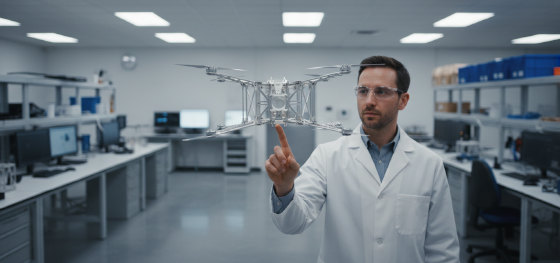
Working with the lightest structural metal on the planet comes with extreme manufacturing hazards. Raw molten magnesium is incredibly volatile and will literally catch fire if exposed to standard atmospheric oxygen inside the factory. Cheap, inexperienced brokers avoid this metal completely because they lack the expensive safety infrastructure required to tame it. Operating from our Shenzhen precision manufacturing hub, Jucheng Precision deploys advanced shielding gases and high-velocity injection machines to safely mold this aggressive material.
Securing high-end commercial contracts requires dominating the scale without adding unnecessary pounds. Selecting the magnesium die casting process allows hardware engineers to design paper-thin cooling fins and complex internal structural ribs that simply cannot be replicated in plastic. Let's break down exactly why this featherweight material dominates the high-end hardware market, how we safely manage the thermal risks, and why picking the right machine architecture determines your final unit cost.
content:
The Plastic Killer: Unbeatable EMI Shielding and Strength
Taming the Flame: How to Safely Melt Volatile Alloys?
Machine Selection: Hot vs. Cold Chamber Dilemmas
JUCHENG Hub: Shenzhen's Featherweight Armor Arsenal
FAQ: Honest Answers About Corrosion, Weight, and Cost
The Plastic Killer: Unbeatable EMI Shielding and Strength
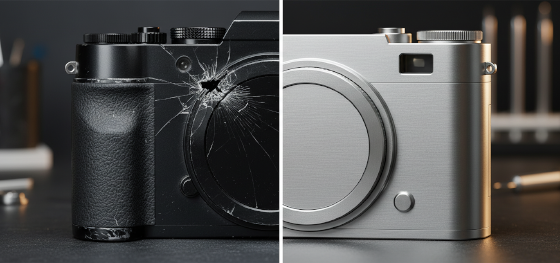
Why are top-tier laptop and camera brands abandoning high-end plastics?
Because plastic offers absolutely zero natural electromagnetic interference (EMI) shielding, forcing engineers to add heavy, expensive copper shielding tape inside the device to protect the motherboard.
Solid metal inherently blocks radio frequencies and electromagnetic noise. By using this featherweight material for your main enclosure, the outer shell of your device physically acts as a massive Faraday cage. This structural consolidation eliminates the need for messy internal foil tape, speeding up your assembly line and cutting your Bill of Materials (BOM).
Weighing roughly thirty-three percent less than standard aluminum, this alloy provides a shocking tactile experience. When users pick up a massive professional camera lens or an autonomous drone gimbal, they expect it to be heavy. Delivering a rigid, indestructible part that feels impossibly light instantly elevates your brand above competitors using cheap polycarbonate.
Taming the Flame: How to Safely Melt Volatile Alloys?
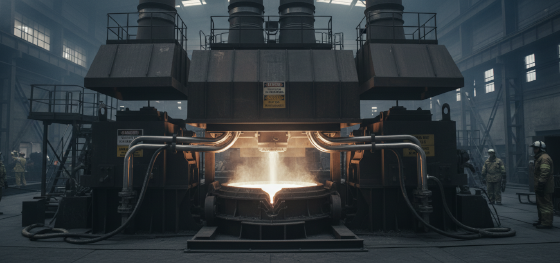
What stops the liquid metal from catching fire inside the factory furnace?
We blanket the surface of the boiling crucible with specialized inert shielding gases, typically sulfur hexafluoride (SF6) or sulfur dioxide mixtures, depriving the metal of the oxygen it needs to ignite.
Running the magnesium die casting process requires intense safety protocols. If a low-tier supplier attempts to pour this metal without strict atmospheric controls, a dangerous factory fire is practically guaranteed. The metal is highly reactive and cannot be extinguished with standard water.
Beyond the fire hazard, this specific liquid metal cools incredibly fast the moment it touches the steel mold. It possesses an extremely low specific heat capacity. To prevent the metal from freezing halfway down a paper-thin laptop cover, our machines must inject the material at violent, ultra-high speeds, requiring perfectly calibrated hydraulic accumulators.
Machine Selection: Hot vs. Cold Chamber Dilemmas
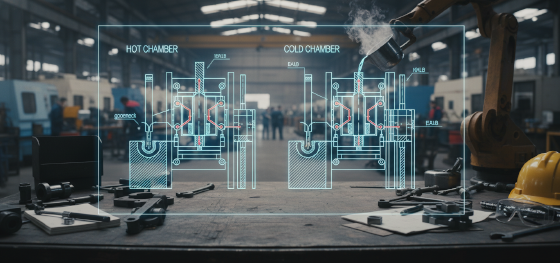
Does this lightweight metal require a specific type of injection press?
Uniquely, it can be run on both primary machine architectures, but your choice dictates your maximum part size and your overall production cycle speed.
Manufacturing massive automotive steering wheels or large engine cradles forces you to use the heavy cold chamber die casting process. The massive tonnage required for large parts means using robotic ladles to pour the metal. While the cycle is slightly slower, it provides the brute force needed for massive structural footprints.
Producing tiny, high-volume components like drone brackets or fiber-optic housings unlocks a massive speed advantage. Because this specific alloy does not aggressively attack tooling steel at lower temperatures, we can run it through the submerged pumps of the hot chamber die casting process. This closed-loop system doubles your daily production output and completely eliminates atmospheric contamination.
JUCHENG Hub: Shenzhen's Featherweight Armor Arsenal
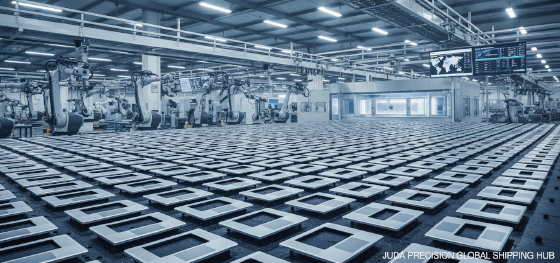
Why trust Jucheng Precision with your premium lightweight enclosures?
Because we completely manage the strict fire-safety protocols, the ultra-fast injection hydraulics, and the critical anti-corrosion post-processing entirely within our Shenzhen facility.
Raw magnesium will corrode rapidly if exposed to moisture without proper finishing. You cannot ship these raw parts across town to a third-party paint shop without risking severe oxidation. We immediately route your freshly cast components into our automated CNC bays and chemical conversion coating lines before they ever see the outside air.
Stop trying to make plastic feel expensive. Send your 3D models to our engineering team today for a complete DFM review. We will map the complex thermodynamics required for your specific design and deliver flawless, featherweight armor that elevates your entire product line.
FAQ: Honest Answers About Corrosion, Weight, and Cost

Does this premium lightweight metal rust easily?
If left completely untreated, yes, it corrodes faster than aluminum. We eliminate this issue completely by applying chemical conversion coatings, anodizing, or durable powder coats immediately after casting.
Is it significantly more expensive than standard aluminum?
The raw material ingot price is slightly higher, and the protective gas adds minor overhead. However, because it machines so easily and cycle times are faster, the final piece price is extremely competitive.
How thin can you cast a laptop cover using this alloy?
Because it flows incredibly well under extreme pressure, we routinely achieve structurally rigid walls as thin as 0.6mm, drastically reducing the overall footprint of the device.
Can these lightweight parts absorb heavy impacts without shattering?
Yes. It possesses excellent damping capacity, meaning it absorbs vibrations and shocks far better than standard aluminum, protecting sensitive internal electronics during accidental drops.

