


Medical device manufacturing relies heavily on precision plastic injection molding to produce high-quality, reliable, and biocompatible components. The process, known as medical plastic injection molding, is a specialized field demanding extreme accuracy, stringent regulatory compliance, and the use of certified materials. This article explores the critical aspects of this industry, focusing on the role of custom tooling in producing everything from simple housings to complex, life-saving implants.
content:
The Foundation: Medical Grade Plastics Injection Molding
The Critical Role of Custom Plastic Molds
Sourcing and Global Capabilities: China's Role
Achieving Excellence: Best Practices for Superior Parts
The Foundation: Medical Grade Plastics Injection Molding
Making parts for doctors and hospitals is very special work. The most important rule is that the materials used must be extremely safe and clean. This special way of making things is called medical grade plastics injection molding.
They can't use just any plastic. They have to use special types that are proven to be safe for people. These special plastics won't irritate the skin or cause problems inside the body. They are also strong enough to be cleaned with very powerful methods that kill all the germs.
You might know some of these plastics, like polycarbonate (which is like strong, see-through plastic) or polypropylene. They are made in super-clean rooms, kind of like a science lab, to make sure no dirt or dust gets on them.
This whole careful process makes sure that every single piece made is safe for a patient to touch or use. This is the most important part of making medical devices.
The Critical Role of Custom Plastic Molds
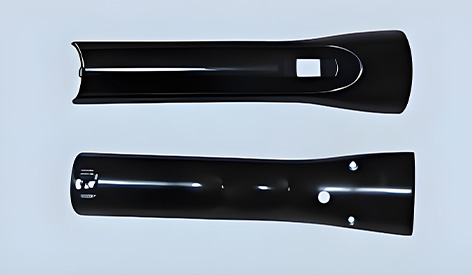
The ability to create new medical devices depends a lot on how well we can make the molds for them. These custom plastic molds are like the super-precise master copies needed to make thousands of identical parts.
They are designed and built with incredible precision, often from very hard steel. Their shapes can be very complex and detailed to create all the features a medical part needs.
Before anything is built, engineers use advanced computer software to test the mold design. This software simulates how the liquid plastic will flow and cool inside the mold. It helps find and fix any potential problems before making the real mold, ensuring it works perfectly from the very first try.
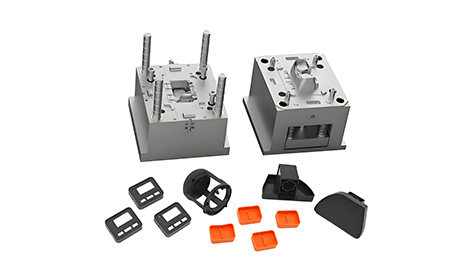
For medical device plastic injection molding, a single mold is incredibly important. It might be used to make several different pieces for a single-use surgical kit. Every piece must meet very exact measurements and work correctly, as lives can depend on it.
Making these high-quality custom molds is a major investment. However, it is absolutely essential for producing parts that are always identical, cost-effective to make in large numbers, and can be scaled up for mass production.
This expertise in building perfect molds is a core skill that sets leading medical plastic injection molding companies apart from regular manufacturers.
Sourcing and Global Capabilities: China's Role
The global landscape of medical manufacturing is vast, with many OEMs seeking partners who can deliver high quality at a competitive cost. This has led to the rise of capable medical plastic injection molding companies in various regions, including Asia. When sourcing china plastic injection molding medical parts, it is paramount to partner with vendors that possess robust quality management systems, international certifications (ISO 13485), and a proven track record of adhering to FDA and MDR guidelines. The best suppliers offer end-to-end services, from design for manufacturability (DFM) and validation (IQ, OQ, PQ) to full assembly, packaging, and sterilization. The key to success is a transparent partnership, regardless of geography, ensuring that every batch of plastic injection molding medical parts meets the exact specifications required for regulatory approval.
Achieving Excellence: Best Practices for Superior Parts
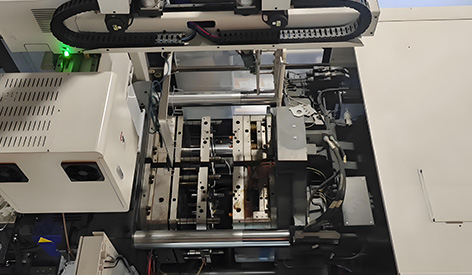
Producing the best plastic injection molding medical parts requires a synergy of technology, expertise, and process control. It begins with material handling systems that dry and convey resins without contamination. Next, injection molding machines equipped with closed-loop control and high-resolution sensors maintain precise pressure and temperature profiles throughout the cycle. Post-processing, such as robotic de-gating, ultrasonic welding, and cleanroom assembly, is often integrated seamlessly. Furthermore, applications requiring the highest safety standards, such as medical- and food-grade plastic injection molding, demand even more rigorous protocols. This includes using dedicated screws and barrels to prevent material cross-contamination and implementing lot traceability for every production run.
The journey from a medical device concept to a mass-produced reality is complex and hinges on the precision of medical grade plastics injection molding. The creation of custom plastic molds is the most critical step in this process, enabling the innovation and reliability that modern healthcare demands. Whether working with domestic specialists or evaluating china plastic injection molding medical parts, device manufacturers must prioritize technical expertise, quality certifications, and a collaborative partnership. By focusing on these elements, the industry can continue to deliver the safe, effective, and life-sustaining devices that improve patient outcomes worldwide.

