


In product development, the biggest financial risks often come from small design errors. A hole that is off by one millimeter. A bend radius that is too tight. These tiny mistakes in a CAD file can lead to thousands of dollars in wasted tooling and weeks of delays if they are not found early.
How do you find these problems before they become expensive? The answer is rapid sheet metal prototyping.
This is not just about making a part quickly. It is a strategic tool. It is about de-risking your entire project. It is about getting a real, physical part in your hands fast enough to make critical decisions and meet urgent deadlines.
content:
What Makes a Prototyping Process 'Rapid'?
How the Technology Creates Speed
A Smart Workflow is Just as Important
A Realistic Timeline for Your Project
What Makes a Prototyping Process 'Rapid'?
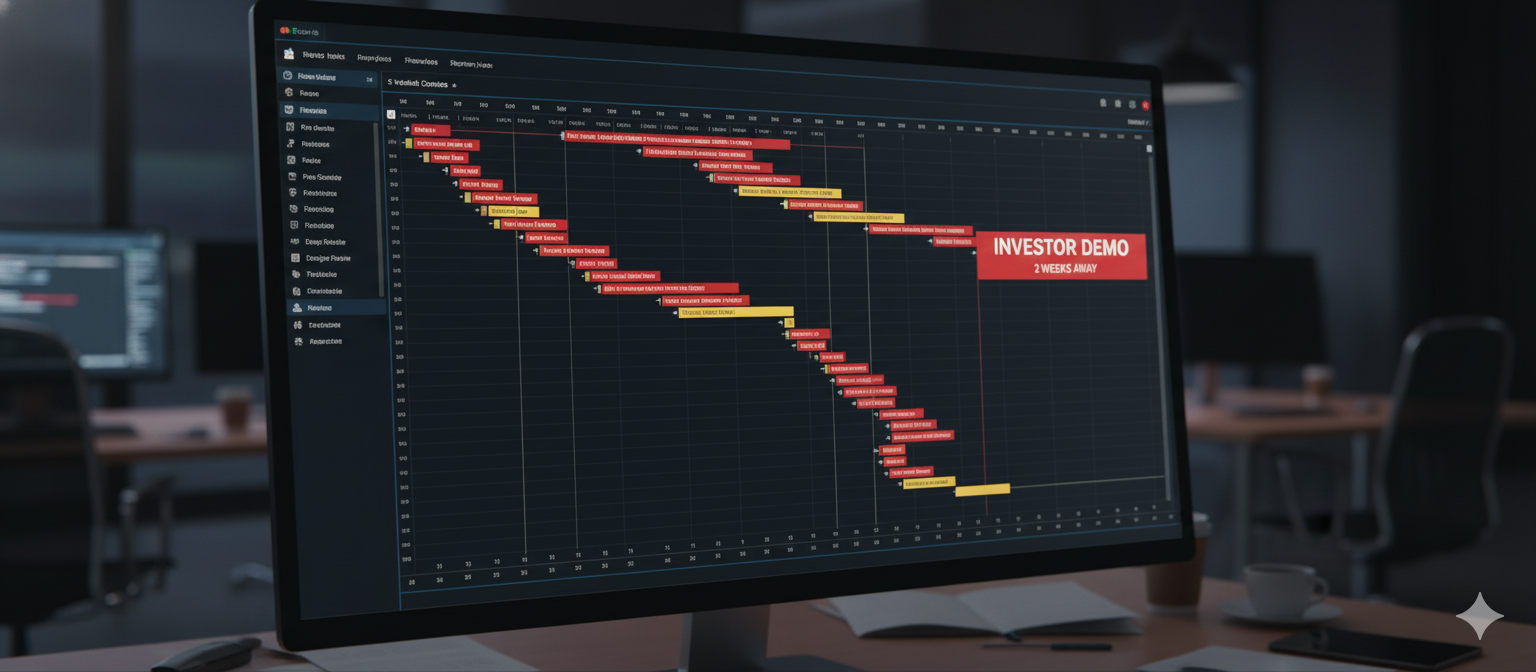
The term "rapid" is not just a marketing word. It describes a specific manufacturing philosophy. A traditional machine shop might take a month for a simple prototype. A rapid sheet metal prototyping service can do it in under a week.
This is a huge difference. For a startup with an investor demo next week, it is the difference between success and failure.
The speed comes from two places. First, advanced technology. Second, a highly efficient process from start to finish. This is the core of modern sheet metal prototyping.
How the Technology Creates Speed
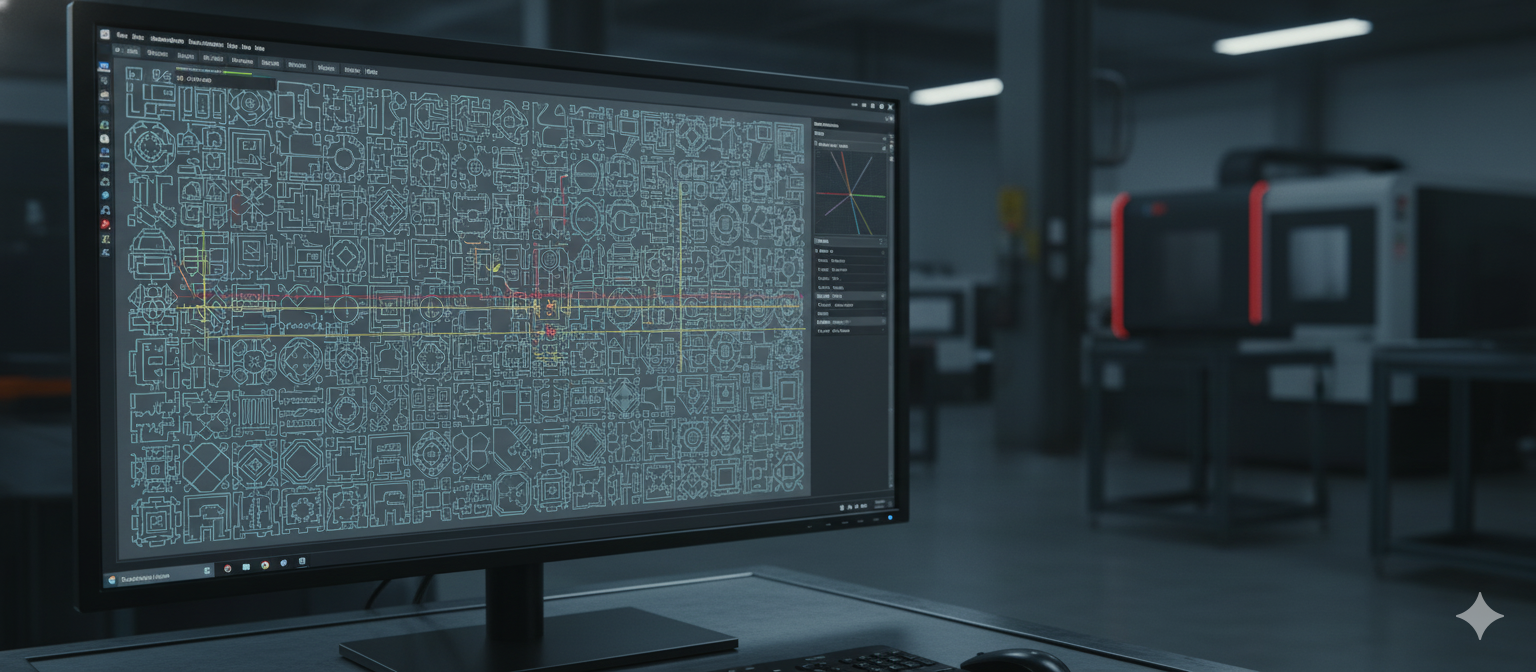
Modern machines are the engine of rapid sheet metal prototyping.
The first key tool is the fiber laser cutter. These machines are incredibly fast and precise. They work directly from your 2D CAD data. A computer program arranges all the parts on a large sheet of metal to minimize waste. This is called "nesting." The laser then cuts all the parts in minutes. It can run 24 hours a day with minimal supervision.
The second key tool is the CNC press brake. This machine takes the flat, cut parts and bends them into their final 3D shape. A computer controls the exact angle and location of each bend. This means the first part is identical to the last. It eliminates the slow and manual setup of older machines.
This combination of high-speed, automated machines is what allows a complex part to be fabricated in just a few days.
A Smart Workflow is Just as Important
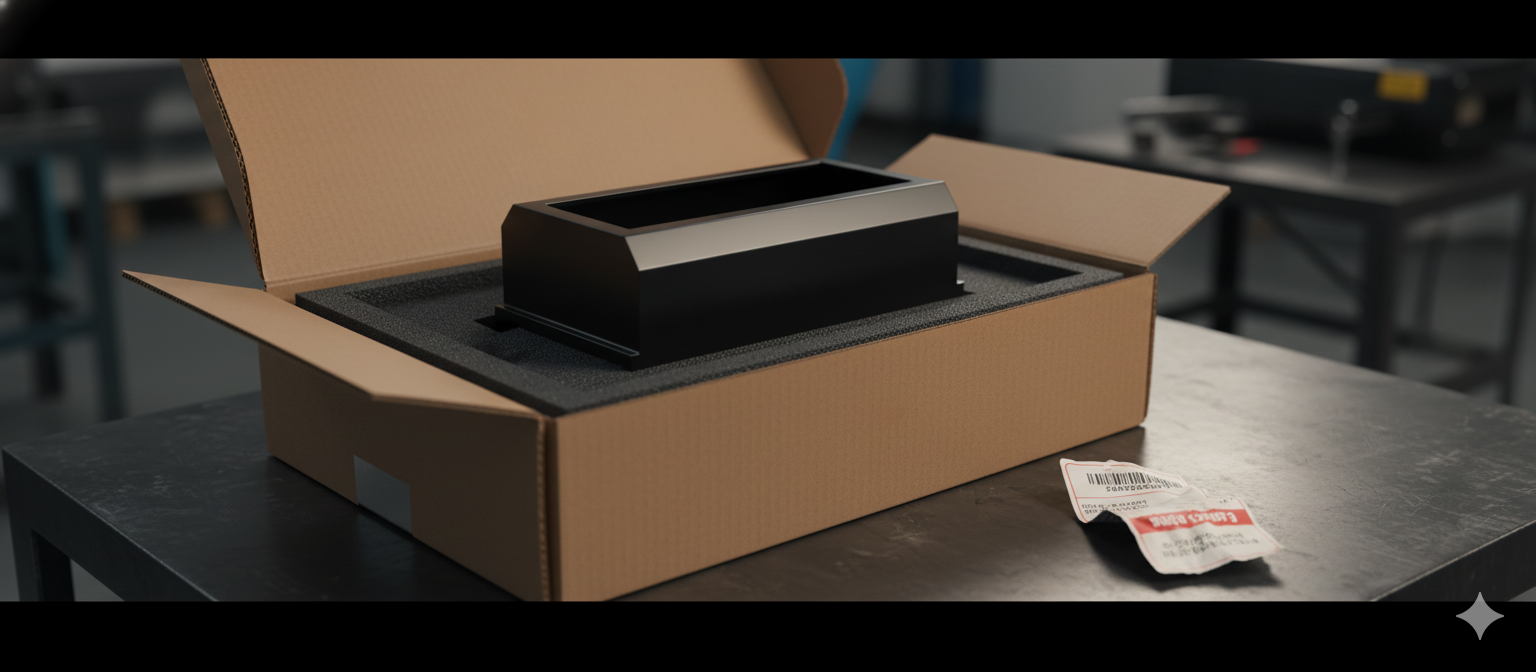
Fast machines are not enough. A rapid service must also have a very smart workflow. Every step, from quoting to shipping, must be optimized to save time.
The process starts with your file. A good rapid partner will have automated software to analyze your design. This allows them to send you a quote in just a few hours. It can also provide instant DFM (Design for Manufacturability) feedback. This helps you catch problems before the project even starts.
Once you approve the order, the job is sent directly to the production floor. There is no waiting in line for a week. The parts are cut, bent, finished, and inspected in a continuous flow.
Your role in this is to be responsive. If your partner asks a question about your design, a fast answer from you keeps the project moving. Good communication is a key part of any successful rapid project.
A Realistic Timeline for Your Project
So what does a real timeline for rapid sheet metal prototyping look like?
Let's say you need a metal enclosure with a simple powder coat finish. A typical timeline is about 3 to 5 business days from order to shipping.
Day 1: Order Confirmation. Your design is reviewed and the job is scheduled for production.
Day 2: Cutting and Bending. Your part is laser cut and formed on the press brake.
Day 3: Finishing. The part is sent for powder coating or another finish. This often needs a full day to apply and cure properly.
Day 4: Inspection and Shipping. The finished part is carefully measured and inspected. Then it is packed and shipped.
This incredible speed is a strategic advantage. It allows your team to get real, functional metal hardware for testing and demos. It eliminates guesswork and reduces risk. This is the power of a modern sheet metal prototyping service.

