


Imagine you need to connect two pieces of thin metal. You can't use glue, and you don't have a nut and bolt. What do you do? You use a sheet metal screw! These are special screws designed to grip into thin, smooth materials like metal, plastic, or even fiberglass. They are the superheroes of the hardware world, strong and sharp enough to make their own path and hold things together tightly.
What Are Sheet Metal Screw Sizes?
What Are Self Tapping Sheet Metal Screws?
Can You Use Sheet Metal Screws in Wood?
Super-Powered: Sheet Metal Self Drilling Screws
Fancy Screws: Hex Head Copper Sheet Metal Screws
Sheet Metal Screws vs Wood Screws: What's the Difference?
The Never-Rusty: Stainless Sheet Metal Screws
How Wide? Understanding Sheet Metal Screw Diameters
What Are Sheet Metal Screw Sizes?
Just like shoes, screws come in different sizes! Sheet metal screw sizes are like a secret code that tells you how big around the screw is and how long it is. The size is usually a number (like #6 or #8) for how thick it is, and then another number for how long it is in inches. Picking the right size is super important—you wouldn't use a giant screw to fix your glasses, just like you wouldn't use a tiny one to build a jungle gym!
What Are Self Tapping Sheet Metal Screws?
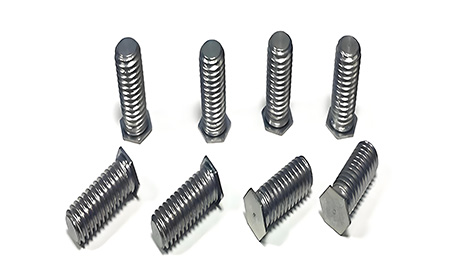
The coolest thing about most sheet metal screws is that they are self tapping sheet metal screws. "Tapping" means cutting threads (the spiral groove that goes around the screw). "Self-tapping" means the screw can cut these grooves itself as you twist it in. It’s like a magic trick! You just drill a small pilot hole (a starter hole), and then the screw does the rest of the work, cutting its own path and holding on super tight.
Can You Use Sheet Metal Screws in Wood?
You might wonder, can you use sheet metal screws in wood? The answer is yes, you often can! Because they are so sharp and have threads all the way down, they can grab onto wood very well. They are great for attaching a metal bracket to a wooden shelf. But they are not perfect for every wood job. A wood screw is usually better for squishing two pieces of wood together because of its special design.
Super-Powered: Sheet Metal Self Drilling Screws
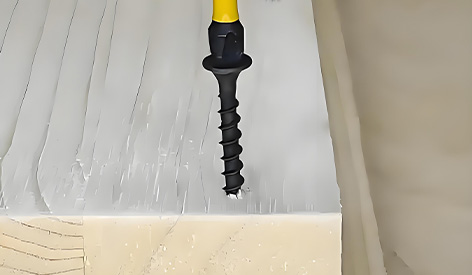
Some screws have an even more amazing superpower. Sheet metal self drilling screws have a little drill bit built right into their tip! This means you don't even need to make a pilot hole first. You can just point your drill at the metal, and this screw will drill the hole, cut the threads, and fasten itself all in one step. It’s like a Swiss Army knife of screws!
Fancy Screws: Hex Head Copper Sheet Metal Screws
For really special jobs, there are hex head copper sheet metal screws. These are often used on copper roofs or fancy decorations. They are made of copper or have a copper coating so they don't cause a weird chemical reaction (called corrosion) with the copper metal they are holding. The hex head (a six-sided head) lets you use a wrench to get them really, really tight.
Sheet Metal Screws vs Wood Screws: What's the Difference?
It's important to know the difference between sheet metal screws vs wood screws. Think of it like this:
A wood screw is like a snake. It has a smooth neck and a threaded body. This smooth part helps pull two pieces of wood together tightly.
A sheet metal screw is like a worm. It has threads all the way from its point to its head. This helps it get a strong grip all along its body inside the thin metal.
Using the wrong one might not work as well!
The Never-Rusty: Stainless Sheet Metal Screws
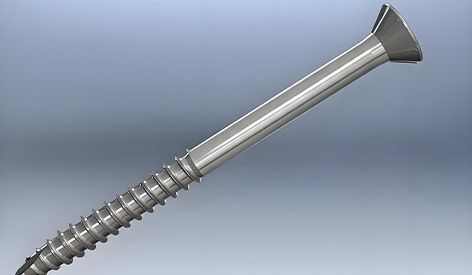
Have you ever seen an old bike that's covered in orange rust? That won't happen with stainless sheet metal screws! They are made from a special mix of metals (called stainless steel) that fights off rust and corrosion. They are perfect for things that get wet, like a lemonade stand, a mailbox, or a project you want to leave outside.
How Wide? Understanding Sheet Metal Screw Diameters
The sheet metal screw diameters tell us how thick the screw is. This is called the "gauge." A bigger gauge number means a thicker, stronger screw. You need to match the thickness of the screw to the job. You wouldn't use a skinny spaghetti noodle to hold up a heavy painting—you'd use a thick piece of rope! It's the same with screws. A thicker diameter screw can hold more weight.
So next time you see something made of metal, take a closer look! You might just spot one of these tiny, powerful heroes holding it all together.

