


Securing venture capital or dominating a trade show floor in [2026] requires more than just functional code; it requires hardware that looks like a finished masterpiece. In the high-stakes world of robotics, the first physical interaction often dictates the outcome of a funding round or a major sales contract. A prototype robot that arrives with visible layer lines, mismatched colors, or scuffed surfaces communicates a lack of professional rigor. Mastering Robot visual models for exhibitions is the strategic art of transforming complex engineering files into "showroom-quality" assets that feel indistinguishable from a retail product.
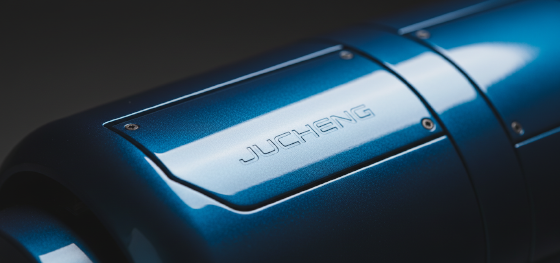
First impressions dictate the perceived value of your technology. While the Alpha build is for the lab, the exhibition model is for the world. Even if the internal electronics are still in development, the exterior must communicate maturity, reliability, and design excellence. Jucheng Precision addresses this "Aesthetic Gap" by providing Class-A surfacing and premium finishing services that move beyond standard prototyping. We deliver the high-fidelity hardware that helps robotics innovators win at CES, Automate, and high-level investor pitches.
Operating within the Shenzhen precision manufacturing hub, JUCHENG provides a comprehensive "Finishing Masterclass" for global robotics OEMs. We combine precision CNC machining with advanced painting, plating, and optical polishing to create visual models that command attention. This guide explores the power of first impressions, the technical challenges of vapor polishing, and the logistical durability required for manufacturing Robot visual models for exhibitions that survive the global trade show circuit.
Class-A Surfacing: Winning Over Investors and Clients
Technical Data: Comparing Aesthetic Finishing Techniques
Vapor Polishing: Achieving Optical Clarity for Sensors
Branding Integration: LED Guides and Laser Marking
JUCHENG: The Shenzhen Hub for Retail-Ready Prototypes
FAQ: Manufacturing Showroom-Quality Robotics Models
Class-A Surfacing: Winning Over Investors and Clients

Automotive-grade surface quality is the new benchmark for Robot visual models for exhibitions. In the 2026 market, "Class-A Surfacing" refers to a finish that is perfectly smooth, with zero visible defects, even under the harsh, directional LED lighting of a trade show booth. JUCHENG achieves this by utilizing a multi-stage sanding and priming protocol. We transition from 400-grit to 2000-grit wet sanding before applying high-solids primers that fill microscopic porosities in the substrate, whether it is CNC aluminum or 3D-printed resin. This labor-intensive process ensures that the subsequent color coat sits on a flawless foundation.
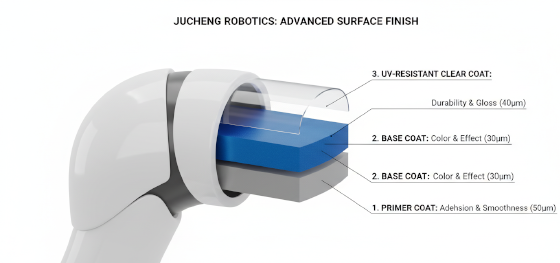
Color accuracy is vital for corporate identity. A prototype robot must match the specific Pantone or RAL color of the brand exactly. JUCHENG utilizes computer-controlled paint mixing and high-volume low-pressure (HVLP) spray systems in a dust-free environment. For exhibition models, we often apply a "Tri-Coat" process: a base color, a mid-coat pearl or metallic flake for depth, and a high-gloss UV-resistant clear coat. This creates a visual richness that flat paint cannot replicate, making the robot appear premium and "production-ready" to prospective partners and buyers.
Weight and balance are often overlooked in visual models. While the robot might not need to perform high-speed tasks, it must stand reliably on its pedestal without sagging or tipping. JUCHENG machines internal steel or aluminum skeletons for exhibition models, providing a rigid backbone that supports the aesthetic panels. This ensures that the robot maintains its "heroic" posture throughout a four-day show, even if visitors are allowed to touch or interact with the hardware. By engineering the model for physical stability, we prevent the embarrassing mechanical failures that can occur during a live demonstration.
Surface hardness and durability are the final pillars of a successful exhibition model. Trade shows are high-traffic environments where hardware is frequently bumped or scratched. JUCHENG utilizes ceramic-infused clear coats that provide a scratch-resistant barrier, ensuring the robot remains pristine from the opening keynote to the final breakdown. This "Ruggedized Aesthetic" approach ensures that your marketing investment lasts for multiple events, providing a high ROI on your Robot visual models for exhibitions hardware.
Technical Data: Comparing Aesthetic Finishing Techniques

Choosing the right finishing technique depends on the intended "Vibe" of the robot and the materials used. A medical robot requires a sterile, pearlescent finish, while a defense robot might need a matte, non-reflective coating. Jucheng Precision provides technical consultations to help you select the most effective finish for your Robot visual models for exhibitions. The following table compares the visual and physical properties of common exhibition finishes used in [2026].
| Finishing Type | Visual Effect | Surface Hardness | Best Application |
|---|---|---|---|
| High-Gloss 2K Paint | Mirror-like / "Wet" Look | Moderate (HB-H) | Consumer / Humanoid Shells |
| Hard Anodizing (Type III) | Matte / Industrial Metallic | Extreme (HRC 60+) | Exposed Joints / Skeletons |
| PVD Plating | Chrome / Gold / Titanium | Very High | Luxury Accents / Connectors |
| Soft-Touch Coating | Satin / Rubbery feel | Low (Grip focused) | Collaborative Grippers / Pads |
PVD (Physical Vapor Deposition) plating is the pinnacle of exhibition finishing for industrial robot parts. Unlike traditional electroplating, PVD creates an ultra-thin, incredibly hard layer that does not hide the precision-machined details of the metal beneath. JUCHENG utilize PVD to give aluminum or steel joints a "liquid metal" appearance that is virtually scratch-proof. This finish communicates a level of high-tech sophistication that is essential for robots targeting the aerospace or semiconductor manufacturing sectors.
Vapor Polishing: Achieving Optical Clarity for Sensors
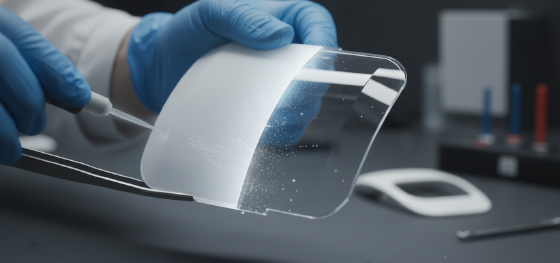
Visual models must allow the robot’s "eyes" to see. Most Robot visual models for exhibitions utilize clear Polycarbonate (PC) or Acrylic (PMMA) for sensor windows and LED covers. However, CNC machining these plastics leaves a cloudy, opaque surface that ruins the high-tech aesthetic. JUCHENG utilizes vapor polishing—a chemical process where solvent vapor melts the microscopic peaks of the plastic surface—to restore 100% optical clarity. This results in windows that are crystal clear, allowing the internal LiDAR units and cameras to function correctly during live demos.
Internal geometry polishing is another additive superpower we provide. For robots with complex LED light guides or fiber optic channels, the internal passages must be reflective. JUCHENG’s vapor polishing technique can reach into deep internal cavities that are impossible to buff manually. This ensures that the robot’s "status lights" or glowing "eye-slots" have a uniform, vibrant glow without the "hot spots" typical of inferior prototyping. This level of optical engineering ensures your prototype robot looks alive and intelligent under the bright lights of a convention center.
Clarity verification is performed using spectrophotometers. JUCHENG ensures that our polished windows maintain 92% light transmission across the visible and infrared spectrum. This is critical for Robot visual models for exhibitions that are used for "Live Autonomy" demos, where the robot must navigate through a crowd. If the window distorts the LiDAR signal, the robot will move jerkily or fail to detect obstacles. Our "Optically Neutral" polishing ensures that the aesthetic shield does not become a functional barrier for the AI.
Hard-coating for clear parts is the final step. Polished plastic is naturally soft and prone to swirling from cleaning cloths. JUCHENG applies a clear, dip-coated hard layer (Silicone or Acrylic based) over the polished surface. This provides the surface hardness of glass while maintaining the impact resistance of plastic. It ensures that the "Eyes" of your robot stay clear even after being cleaned dozens of times by booth staff during a long exhibition week.
Branding Integration: LED Guides and Laser Marking

Branding on Robot visual models for exhibitions should be integrated, not an afterthought. JUCHENG machines recessed pockets for laser-marked metallic badges and 3D logos directly into the robot's shell. By utilizing fiber-laser marking on stainless steel or anodized aluminum, we deliver crisp, permanent branding that feels like part of the machine's DNA. We avoid adhesive stickers, which can peel or bubble under exhibition lighting, communicating a "cheap" prototype feel. Our integrated branding approach ensures your logo is the focal point of every press photo taken at the event.
LED light guide integration is a core JUCHENG specialty. Modern robots use light to communicate their status or "emotions." We machine precision diffusers from PMMA and integrate them into the prototype robot enclosure with zero-light-leak tolerances. By using light-blocking primers on the internal surfaces of the shell, we ensure that the light only glows where it is intended, creating the clean, futuristic "Apple-style" light bars that are synonymous with high-end automation in [2026].
Texture transitions enhance the "Real-Product" feel. JUCHENG can machine a single panel with multiple surface textures—such as a matte "grit" texture for grip areas and a high-gloss "piano black" for sensor pods. This multi-texture capability is achieved through precision masking and secondary bead-blasting. These subtle tactile details signal to investors that your team has deeply considered the industrial design and user experience of the final product, increasing their confidence in your commercial roadmap.
Custom fasteners and trim pieces provide the "jewelry" of the robot. JUCHENG often machines custom-headed bolts from titanium or stainless steel to replace standard industrial fasteners. These aesthetic hardware choices, combined with precision-fit trim rings for sensors and connectors, eliminate the "raw prototype" look. We deliver Robot visual models for exhibitions that look like they just rolled off a multi-million dollar mass-production line, even if they are the only one of their kind in existence.
JUCHENG: The Shenzhen Hub for Retail-Ready Prototypes
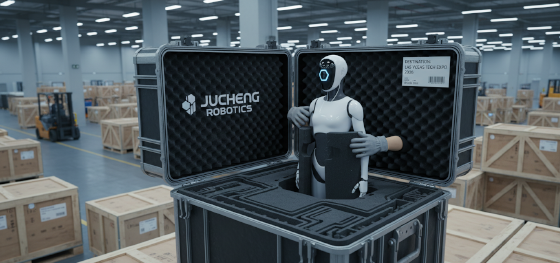
Dominating the global trade show circuit requires a manufacturing partner that can deliver perfection on a deadline. Jucheng Precision operates with a 24/7 manufacturing mindset in our Shenzhen precision manufacturing hub, delivering high-finish Robot visual models for exhibitions and structural industrial robot parts with lead times as fast as 12 business days. We provide a "Bridge to Production" that allows you to move from a rough functional rig to a showroom-ready fleet of five robots with consistent aesthetic and tactile quality.
Integrating your aesthetic design with JUCHENG’s expertise ensures that your prototype robot survives the "Transit Test" and arrives at the show in perfect condition. We offer comprehensive DFM reviews within 24 hours, identifying potential finish-risks or "seam-gaps" in your enclosure design before they become visual failures. Whether you are building an autonomous medical assistant or a high-speed industrial cobot, Jucheng Precision provides the retail-ready hardware that helps you secure the funding and customers your innovation deserves.
Our facility is equipped with 150+ CNC machines and dedicated dust-free finishing labs, allowing us to manage the entire exhibition model lifecycle in one location. We manage the complexity of multi-stage painting, vapor polishing, and branding so your engineering team can focus on the demo software and the presentation. By combining Shenzhen's speed with aerospace-grade surface verification, JUCHENG remains the preferred partner for the world's most visually ambitious robotics challenges. Contact us today to start your next showstopper project.
FAQ: Manufacturing Showroom-Quality Robotics Models
What is vapor polishing and why is it used?
It is a chemical process used to restore total optical clarity to machined clear plastics like Polycarbonate, essential for sensor windows.
Can JUCHENG match specific brand colors?
Yes. We use computer-controlled paint mixing to match Pantone, RAL, or physical color samples with 100% accuracy.
How do you ensure exhibition models don't get scratched in transit?
We apply ceramic-infused hard coats and provide custom-fitted flight cases with laser-cut foam for every model.
What is the lead time for a high-finish exhibition robot?
Depending on complexity, a fully painted and polished visual model is typically delivered in 15 to 20 business days.
Visual failures in the boardroom or on the show floor are absolute investment killers. Partnering with Jucheng Precision ensures that your show-ready iterations are built with the Class-A surfacing and specialized Robot visual models for exhibitions techniques the industry demands. Reach out to our Shenzhen manufacturing hub today for a complete DFM review and build the retail-ready foundation your autonomous fleet requires.

