


Protecting high-value autonomy stacks from the unrelenting elements of the farm is the primary mission of precision agriculture robotics. Inside the field, a thousand-dollar LiDAR or multi-spectral camera is only as good as the shell that surrounds it. Fine particulate dust, high-pressure power washing, and constant low-frequency vibrations can destroy sensitive optics and electronics within days if not properly isolated. Engineering Ruggedized sensor housings for farm robots requires a transition from consumer-grade plastics to aerospace-level CNC aluminum and advanced sealing geometries.
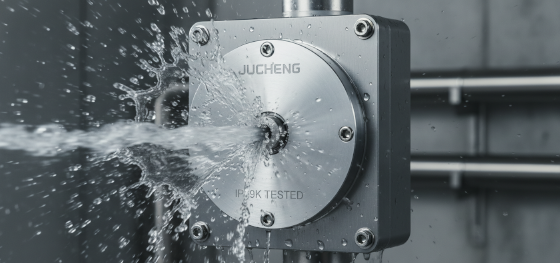
Farm environments present a unique "Triple Threat" to sensor integrity: moisture ingress, thermal cycling, and physical impact. Standard IP67 ratings are often insufficient for equipment that must be sanitized with high-pressure steam at the end of every harvest day. Jucheng Precision eliminates these failure modes by utilizing high-tolerance 5-axis machining and specialized materials designed for the [2026] AgTech cycle. We build the fortresses that allow AI "eyes" to see clearly through the mud.
Operating within the Shenzhen precision manufacturing hub, JUCHENG provides a "Bridge to Production" for sensor-heavy autonomous systems. Our facility handles the entire lifecycle of sensor protection—from complex thermal-sink housings to vibration-dampened mounts. This guide explores the essential engineering standards, material choices, and sealing technologies required to ensure your sensor stack survives a decade of service in the open field.
IP67 vs IP69K: The Logic of Hermetic Sealing
Technical Data: Housing Materials and Heat Dissipation
Vibration Isolation: Preventing Image Blur and Drift
Optical Shields: Polycarbonate and Scratch Resistance
JUCHENG: The Shenzhen Hub for Sensor Protection
FAQ: Protecting AI Optics in the Field
IP67 vs IP69K: The Logic of Hermetic Sealing
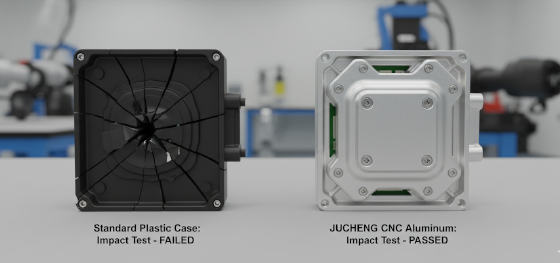
Ingress protection is not a static measurement; it is a battle against pressure and chemistry. In Ruggedized sensor housings for farm robots, the jump from IP67 (immersion) to IP69K (high-pressure washdown) is monumental. IP69K requires the housing to withstand water jets at pressures up to 100 bar (1,450 psi) and temperatures of 80°C. Standard plastic housings often flex under this localized pressure, breaking the seal and allowing moisture to vaporize inside the housing. JUCHENG prevents this by machining rigid, interlocking aluminum flanges that provide a constant compressive force across the entire gasket interface.
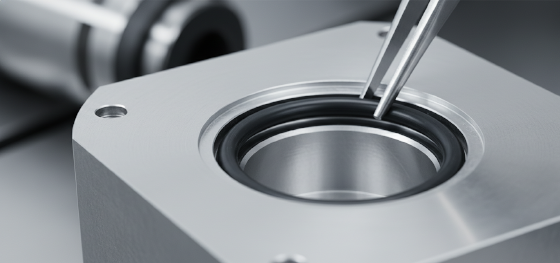
Gasket groove geometry is the most critical feature of a hermetic housing. JUCHENG utilizes precision CNC milling to create "dovetail" or "captive" gasket tracks that prevent the seal from being blown out by high-pressure spray. We typically specify FKM (Viton) elastomers for these seals due to their superior resistance to both UV degradation and the corrosive fertilizers often found on robot exteriors. By holding +/- 0.01mm tolerances on the groove depth, we ensure the perfect 25% compression ratio required for a permanent seal.
Venting is the second half of the sealing equation. Airtight housings can develop internal pressure differentials due to rapid solar heating or cooling, which can eventually suck moisture through the seals via "capillary action." JUCHENG integrates breathable, hydrophobic ePTFE membranes (Gore vents) into our CNC-machined housings. These vents allow pressure to equalize while blocking liquid water and fine dust particles, preventing the fogging of internal optics that can blind an autonomous system during a morning harvest.
Material density of the enclosure must also be verified. Inexpensive cast parts can have microscopic porosity that allows gas to permeate over time. JUCHENG utilizes only 6061-T6 or 7075 aluminum wrought billets, ensuring a zero-porosity substrate that maintains a total vacuum if required. This level of material integrity is vital for sensors housing sensitive nitrogen gas or desiccants to keep internal humidity at zero percent.
Technical Data: Housing Materials and Heat Dissipation
LiDAR units and high-speed processors generate significant heat that must be moved away from the sensitive electronics to prevent thermal throttling. Jucheng Precision provides technical design reviews to ensure your housings act as effective heat sinks while remaining rugged enough for impact. The following table compares the thermal and mechanical properties of materials used in high-end Ruggedized sensor housings for farm robots.
| Material | Thermal Conductivity (W/m·K) | Yield Strength (MPa) | Surface Protection |
|---|---|---|---|
| 6061-T6 Aluminum | 167 | 270 | Hard Anodize (Type III) |
| AISI 316 Stainless | 16 | 210 | Passivation |
| PEEK (Plastic) | 0.25 | 100 | None Required |
| Magnesium AZ91 | 72 | 160 | MAO Coating |
6061-T6 Aluminum is the gold standard because its thermal conductivity is ten times higher than stainless steel, allowing it to act as a massive heat sink for internal AI processors. JUCHENG integrates complex fin geometries directly into the CNC toolpath, maximizing the surface area for passive cooling without requiring internal fans that can fail. For sensors operating in the 40°C+ heat of summer, this passive cooling capability is the difference between a functional machine and a thermal shutdown.
Vibration Isolation: Preventing Image Blur and Drift
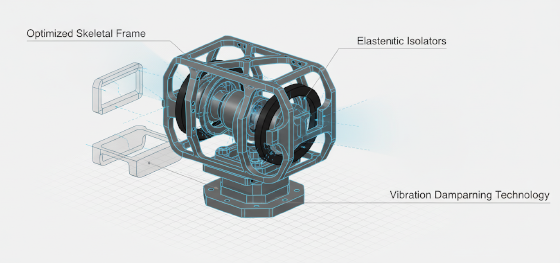
Resonant vibrations from heavy-duty diesel engines or the impact of rough soil can create "micro-blur" in camera images and noise in LiDAR point-clouds. This jitter confuses the autonomy software, leading to navigation drift or emergency stops. JUCHENG designs and machines specialized vibration-isolation mounts that decouple the sensor housing from the main robot chassis. We utilize multi-material assemblies where the sensor is cradled in a precision-machined aluminum inner-frame, suspended by specialized elastomers within a rugged outer-shell.
Damping coefficients are carefully managed through material selection. Different farming tasks—such as high-speed scouting vs. slow-speed tilling—create different vibration profiles. JUCHENG helps engineers select the right shore-hardness for internal dampeners to ensure the sensor stays within its "stable window." By using 5-axis CNC machining, we can create complex internal geometries that house these dampeners without increasing the overall footprint of the sensor assembly.
Fastener security is a critical detail in vibration-heavy environments. Standard screws will vibrate loose over time, leading to total sensor misalignment. JUCHENG utilizes integrated thread-locking features and precision-machined locking-wire holes for all critical Ruggedized sensor housings for farm robots. We ensure that every mount remains rock-solid for the entire service life of the machine, preventing the costly downtime required for sensor re-calibration in the field.
Dynamic balancing of the housing assembly is the final step. For sensors mounted on rotating arms or high-speed harvesters, JUCHENG performs center-of-gravity (CoG) analysis to ensure the housing doesn't create asymmetrical loads that could damage the actuator motors. This holistic approach to mechanical stability ensures that the "brain" of the robot receives the cleanest possible data, maximizing the efficiency of the entire precision agriculture robotics system.
Optical Shields: Polycarbonate and Scratch Resistance
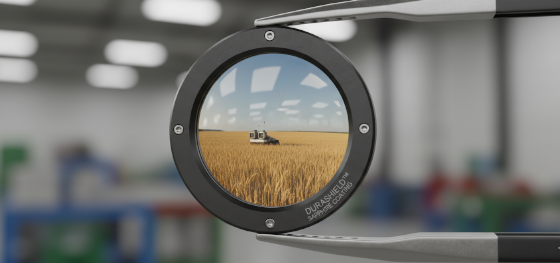
The optical window is the most vulnerable point of any sensor housing. Rocks kicked up by tires or low-hanging branches can easily shatter standard glass. JUCHENG utilizes optical-grade Polycarbonate (PC) or Acrylic (PMMA) for impact shields, providing shatter-resistance that is 200 times higher than glass. However, these plastics are naturally soft and prone to scratching from abrasive farm dust. To solve this, JUCHENG applies industrial "hard-coat" or sapphire-coatings that bring the surface hardness close to that of tempered glass while maintaining the impact toughness of plastic.
Surface clarity is verified through spectroscopic testing. In Ruggedized sensor housings for farm robots, even a 1% loss in light transmission can reduce the effective range of a LiDAR unit by several meters. JUCHENG machines the mounting frames for these windows with +/- 0.005mm flatness to ensure no stress is applied to the optical element, which could cause "birefringence"—a distortion of the light path that ruins sensor accuracy. We deliver "optically neutral" enclosures that provide maximum protection with zero data interference.
Replaceability is a key design feature. Even the best hard-coat will eventually wear down under constant dust exposure. JUCHENG designs our housings with a "modular window" system, allowing for the quick replacement of the optical shield without opening the hermetically sealed electronics compartment. This ensures that a scratched window doesn't require a total housing rebuild, keeping maintenance costs low for the end-user. We provide these replacement shields as precision-machined kits, ready for field installation.
JUCHENG: The Shenzhen Hub for Sensor Protection
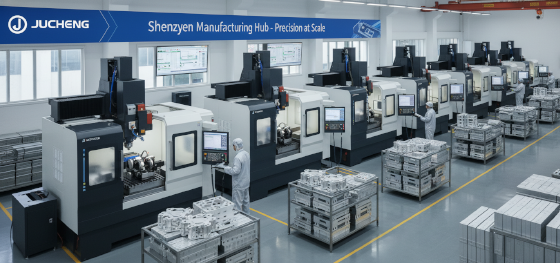
Dominating the [2026] AgTech market requires a partner that can scale from prototype to commercial fleet without losing precision. Jucheng Precision operates with a 24/7 manufacturing mindset in our Shenzhen precision manufacturing hub, delivering high-tolerance sensor enclosures and vibration mounts with lead times as fast as 12 business days. We provide a "Bridge to Production" that allows you to move from a single hand-fitted prototype to a fleet of 1,000 robots with consistent IP69K sealing and thermal performance.
Integrating your sensor design with JUCHENG’s expertise ensures that your autonomy stack survives the "Washdown Season" and beyond. We offer comprehensive DFM reviews within 24 hours, identifying potential moisture traps or thermal bottlenecks in your housing design before they become field failures. Whether you are building an autonomous fruit harvester or a fleet of drone-docking stations, Jucheng Precision provides the ruggedized shells that protect your AI eyes in the most hostile environments on earth.
Our facility is equipped with 150+ CNC machines and dedicated material-testing cells, allowing us to manage the entire sensor housing lifecycle in one location. We manage the complexity of hermetic sealing and vibration damping so your engineering team can focus on the algorithms and autonomy. By combining Shenzhen's speed with aerospace-grade 5-axis verification, JUCHENG remains the preferred partner for the world's most innovative AgTech hardware challenges. Contact us today to start your next project.
FAQ: Protecting AI Optics in the Field
What is the best material for cooling a high-power LiDAR?
6061-T6 Aluminum with integrated CNC-machined cooling fins. It offers the best thermal-to-weight ratio.
How do you prevent fogging inside the sensor housing?
We utilize ePTFE hydrophobic vents to equalize pressure while blocking moisture ingress.
Are plastic housings strong enough for AgTech?
Generally no. High-vibration environments require the rigidity of CNC aluminum to maintain seal integrity.
How do you verify the IP69K seal?
We perform high-pressure vacuum leak tests and hot-water immersion tests in our quality lab.
Can JUCHENG machine custom vibration mounts?
Yes. We combine precision CNC metal parts with overmolded elastomers for specific frequency dampening.
Sensor failure in AgTech is a total mission killer. Partnering with Jucheng Precision ensures that your AI eyes are built with the IP69K aluminum and specialized vibration-dampening techniques the industry demands. Reach out to our Shenzhen manufacturing hub today for a complete DFM review and build the ruggedized shield your autonomous fleet requires.

