


Fusing overlapping flanges into a structurally solid, rattle-free cabinet skin is a primary goal in high-speed hardware manufacturing. Specifying spot welding sheet metal assembly designs provides your custom enclosures with exceptional shear strength and permanent joint integrity without requiring expensive mechanical fasteners or adding physical weight. This specialized thermal process represents a critical milestone in custom sheet metal fabrication, directly determining whether your completed box-build can handle high vibration forces or fails prematurely at its structural seams.
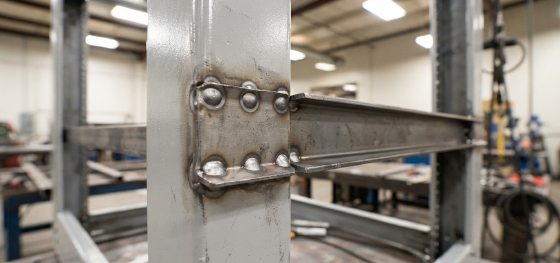
Suffer from loose riveted joints, slow manual welding lines, or ugly weld marks that ruin the outer cosmetics of your high-end cabinets? Running continuous TIG or MIG welds along long flanges often introduces extreme heat, causing thin-gauge sheets to warp and buckle out of flat. Transitioning to a high-speed resistance spot-pressing setup completely eliminates these thermal distortions, delivering structurally rigid enclosures at extreme production speeds.
Let's explore the physical mechanisms of resistance spot welding, analyze the best material candidates for high-strength thermal fusion, and review practical workshop methods to minimize cosmetic weld marks on your assemblies.
The Resistance Spot Welding Process Explained
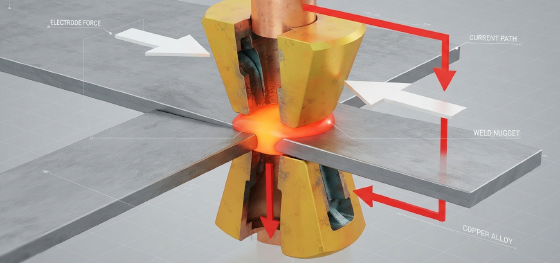
How does resistance spot welding permanently join overlapping sheet metals?
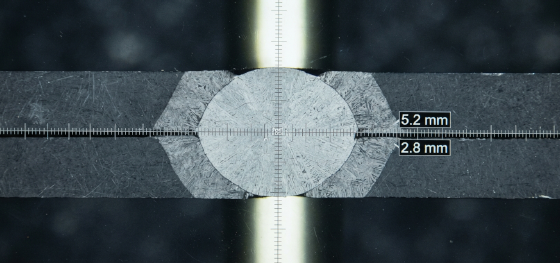
The process clamps overlapping metal sheets between copper alloy electrodes under high pressure, passing an intense electrical current to melt and fuse the metal locally into a solid weld nugget.
To establish high-integrity joints on high-volume production lines, understanding the physics of resistance spot welding is essential. Unlike arc welding, which uses an external filler wire, spot welding utilizes the electrical resistance of the sheets to generate thermal energy. The pneumatic arms of the welder compress the plates between copper electrodes with precise force.
When the electrical pulse passes through the joint, the high contact resistance at the sheet interface generates immense heat, melting the metal locally. Once the current stops, the cooled, solidified metal forms a secure, internal weld nugget. This localized heating keeps the surrounding surfaces cool, preventing the continuous thermal warping common with continuous welds.
Best Materials for Spot Welding
Which metal alloys are the best candidates for high-strength spot welding?
Low-carbon carbon steel and stainless steel are the ideal candidates due to their high electrical resistance and low thermal conductivity, allowing heat to concentrate easily.
Designing a robust spot welding sheet metal assembly requires careful attention to material conductivity properties. Soft, low-carbon carbon steel is the undisputed industry workhorse for spot welding, providing outstanding weld ductility and high joint strength at low currents. Stainless steel (such as SUS304) is also highly compatible, requiring less current because of its high resistance, though we must use higher electrode forces to manage its high yield limits.
Conversely, highly conductive alloys like aluminum and copper are exceptionally difficult to spot weld. Because they conduct electricity and heat rapidly away from the contact point, the contact zone cannot easily generate localized melting. Welding aluminum requires specialized, high-current capacitive discharge welders and frequent electrode dressing to prevent the copper tips from alloy-sticking to the soft aluminum surface.
Minimizing Weld Marks for Cosmetic Assemblies
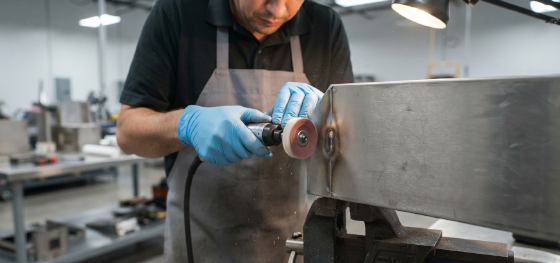
How do precision fabricators prevent and remove cosmetic weld marks on exterior panels?
We minimize indentations by utilizing flat-face copper electrodes on the cosmetic side, optimizing our pressure curves, and executing secondary abrasive grinding.
For premium medical carts, network server chassis, and smart home enclosures, visible spot-weld indentations on outer panels are major cosmetic flaws. These local sink marks occur when the high electrode pressure squeezes the hot, softened metal during the weld pulse. To prevent these defects, our programmers optimize our electrode pressure curves and utilize flat, oversized copper tips on the exterior face.
Integrating these precise aesthetic and structural checks into your early sheet metal design is the single most effective way to eliminate cosmetic imperfections. If minor indentations remain, our finishing team executes secondary abrasive grinding, blending the weld marks flat. This detailed surface polishing removes all mechanical trace lines, ensuring a seamless, uniform surface that is ready for immediate powder coating.
High-Volume Spot Welding at Jucheng Precision
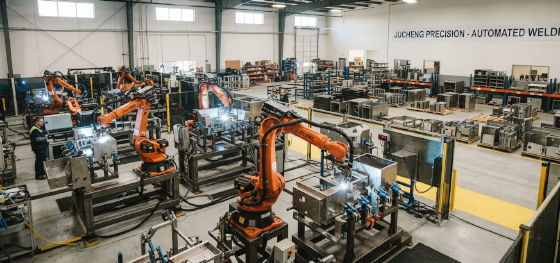
Sourcing high-durability welded enclosures requires advanced automated equipment on the shop floor. Jucheng Precision operates multiple CNC resistance spot welders integrated with precise pneumatic clamping controllers. This advanced machinery allows us to maintain consistent, heavy-duty joints without introducing localized stress, ensuring perfect geometric alignment across every single batch before shipping.
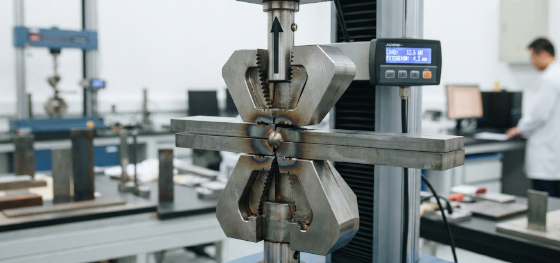
Our manufacturing floor is certified to ISO 9001 and IATF 16949 standards, ensuring that high-speed stamping, laser cutting, and sheet metal fabrication cycles meet strict automotive and industrial regulations. We provide certified shear and tension testing reports to verify weld penetration and joint strength. Supported by our flexible no MOQ policy and rapid delivery turnaround, we manage your project from initial flat pattern cutting to final, high-durability packaging and assembly with zero dimensional drift.
FAQ: Critical Questions About Spot Welding Sheet Metal Assembly
Our engineering team has compiled professional, concise solutions to the most common quality challenges faced during resistance spot welding runs:
Can you spot weld galvanized sheet metal?
Yes, but it requires up to thirty percent higher current and specialized copper-chromium-zirconium electrodes to handle the zinc vaporization without sticking, and requires advanced exhaust ventilation to protect operators from toxic zinc fumes on galvanized steel.Why is aluminum exceptionally difficult to spot weld?
Aluminum possesses very high electrical and thermal conductivity, meaning the electrical resistance is too low to easily generate localized melting, requiring specialized high-current capacitive discharge welders.What causes the "shunting effect" in close-proximity spot welds?
Shunting occurs when consecutive welds are placed too close together, causing the electrical current to divert through the existing weld joint rather than melting the new contact point. We prevent this by maintaining a minimum weld pitch of 3x the weld diameter.How does Jucheng Precision prevent surface indentations during high-volume spot welding sheet metal assembly runs?
We utilize highly polished, flat-face electrodes on the cosmetic side and optimize our pressure curves to completely eliminate thermal sink marks, backed by full coordinate measuring machine (CMM) dimensional checks on every batch.

