


Bridging the gap between a single 3D printed prototype and large-scale injection molding represents a critical scheduling challenge for engineering teams. Specifying vacuum casting rapid prototyping provides your product designers with an exceptionally cost-effective, quick-turn path to replicate small batches of cosmetic parts without the long lead times of steel molds. This versatile reproduction process serves as the ideal low-volume rapid prototyping service, utilizing flexible silicone molds to cast advanced liquid polyurethanes that replicate the exact weight, color, and density of injection-molded plastics.

Suffer from expensive rapid tooling bills and slow delivery times when you only need ten to fifty functional parts for clinical trials or consumer focus groups? Running CNC routers or 3D printers continuously on small batches is incredibly slow, resulting in high unit costs and poor surface consistency across parts. Shifting to an automated silicone-molding workflow completely removes these scaling bottlenecks, delivering pristine, color-matched parts in days.
Let's explore how silicone molding replicates fine features cleanly, analyze how polyurethane resins simulate production thermoplastics, and review how multi-material overmolding is executed during early quick-turn runs.
How the Silicone Molding and Vacuum Casting Process Works

To reproduce complex geometries without drafting angles, understanding the flexible nature of silicone molds is essential. This advanced replication method begins by printing a high-resolution master pattern using industrial stereolithography (SLA). Our finishing specialists sand and polish this master pattern to achieve the exact target surface texture (glossy, satin, or textured) of your final parts.
We then suspend the master inside a mold box and pour liquid silicone rubber around it under vacuum to prevent bubble inclusions. Once cured, the block is cut along a calculated parting line, and the master is removed, leaving a highly detailed cavity. This flexible cavity allows for deep undercuts and zero draft angles, simplifying your overall rapid prototyping process and shortening your product cycle.
Simulating Production Plastics

To conduct valid functional tests during the pre-production phase, matching the physical limits of production plastics is vital. While standard 3D prints utilize specialized photopolymers, vacuum casting rapid prototyping utilize advanced multi-component polyurethane resins (such as standard C8150 or PX223) that mimic real thermoplastics.
We formulate resins from premium suppliers like Hei-Cast and Axson to simulate specific mechanical properties. Whether your design requires the high impact resistance of ABS, the rigid transparency of PMMA, or the high flexibility of rubber (varying from Shore 30A to 90A), our team can mix and pigment the liquid resin to match your exact Pantone or RAL color codes, delivering high-fidelity functional parts.
Overmolding and Insert Molding Prototypes

Many modern electronics enclosures and medical devices require multi-material integration, combining rigid structural frames with soft-touch rubber grips or metal screw contacts. Achieving these combinations during the打样 phase requires specialized casting expertise. We execute advanced overmolding and insert molding directly within our vacuum chambers.
During insert molding, our operators mount pre-machined brass threads or steel pins directly into the silicone mold cavities before casting. During overmolding, we cast the rigid structural core first, place it into a secondary silicone cavity, and cast a soft elastomer resin (such as simulating TPU or silicon) over the core. This dual-component casting ensures excellent adhesive bonding between materials, delivering highly representative prototypes with zero tooling fees.
Cost-Effective Batches of 10-50 Parts at Jucheng Precision
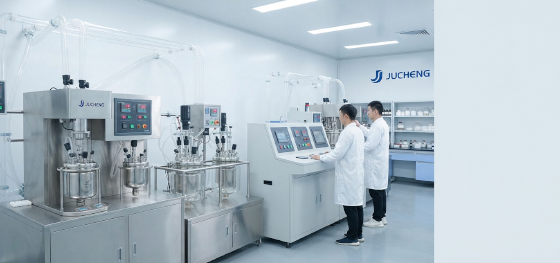
Sourcing high-end quick-turn plastic parts requires absolute quality control on the shop floor. Jucheng Precision operates advanced, Class 10,000 positive-pressure clean rooms integrated with multi-chamber vacuum casting stations. This advanced setup allows us to degas raw polyurethane mixtures completely under high vacuum, ensuring that your parts are cast with zero micro-voids, bubbles, or physical inclusions.
Our technicians monitor thermal curing parameters inside specialized air-circulating ovens, managing cooling profiles precisely to minimize volumetric shrinkage. As your premier rapid prototyping service, we offer a 24-hour free DFM analysis to check your CAD models, checking tolerances and material compatibility before building masters. Supported by our no MOQ policy and rapid delivery guarantee, we manage your project from initial SLA master printing to final, custom packaging inside our 8000-square-meter facility.
FAQ: Critical Questions About Vacuum Casting Rapid Prototyping

Our engineering team has compiled professional, concise solutions to the most common quality challenges faced during vacuum casting runs:
What is the typical dimensional tolerance for vacuum-cast urethane parts?
The standard tolerance is approximately ±0.15% to ±0.30% of the nominal dimension, as the flexible silicone mold behaves with minor thermal shrinkage and wall flexing under pressure.How many parts can you cast from a single silicone mold before it degrades?
A standard silicone mold can typically cast 15 to 25 parts depending on geometric complexity and resin aggressive properties; after this, the mold surface breaks down and loses detail.Are vacuum-cast polyurethane resins safe for medical and dental applications?
Yes. We formulate and cast bio-compatible polyurethane resins that meet strict medical grade limits, allowing you to fabricate sterile diagnostic cases and surgical brackets for trials.How does Jucheng Precision prevent shrinkage and sink marks during vacuum casting rapid prototyping runs?
We adjust K-factors in our SLA masters to pre-compensate for polymer shrink, and strictly regulate curer temperatures to prevent localized material sink on thick bosses.

