


Managing hardware budgets for micro-precision components requires a delicate balancing act. Procurement teams often reject Zamak alloys due to high raw material ingot prices compared to standard aluminum. Failing to calculate how the low melting point of these alloys protects your steel tooling over time will soon explode your total zinc die casting cost.
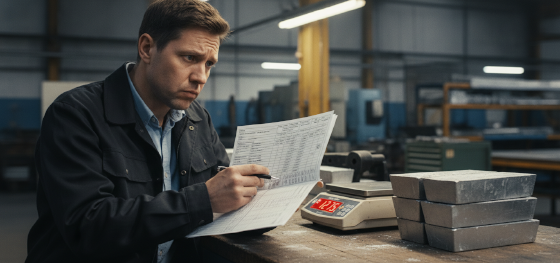
Unmasking hidden factory line items keeps your ongoing cash flow secure throughout the entire development lifecycle. Every single second your part spends cooling inside the press directly drives up your ongoing die casting cost. Controlling these ongoing expenses dictates whether your retail margins remain sustainable over the entire product lifecycle.
Demanding absolute financial transparency separates elite manufacturing partners from low-tier brokers. Let's dissect the core raw material and machinery variables that determine unit pricing, analyze how to amortize mold investments, and compare zinc against aluminum economics.
content:
Raw Material Realities: Navigating the Zinc and Aluminum Ingot Gap
Hot Chamber Dynamics: Compressing Cycle Times and Machine Depreciation
Tooling Longevity: Amortizing Mold Debts Across One Million Injections
Turnkey Factory Efficiencies: Slashing Expenses with Advanced Machinery
FAQ: Honest Answers About Tooling Amortization and Scrap
Raw Material Realities: Navigating the Zinc and Aluminum Ingot Gap
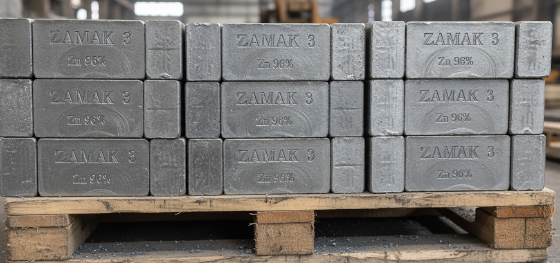
Why does a more expensive raw metal ingot sometimes deliver a cheaper final unit price?
Because low-melting-point alloys process significantly faster and protect the steel mold from thermal shock, completely eliminating expensive mold rebuild and repair bills.
Sourcing raw material cheaply is the ultimate secret to dropping your ongoing piece part price. Aluminum is lightweight and highly conductive, making it the undisputed king for massive automotive engine brackets and high-power electronics housings.
Balancing this raw material advantage against tooling wear is crucial. While the ingot price remains low, the high melting temperature of aluminum forces designers to budget carefully for long-term mold maintenance.
Hot Chamber Dynamics: Compressing Cycle Times and Machine Depreciation
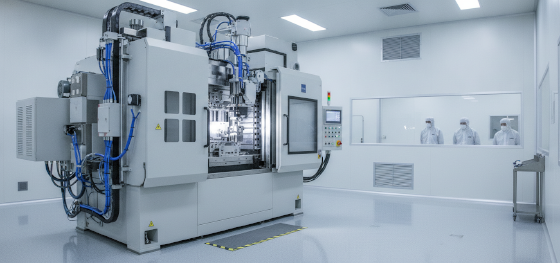
Why does the hot chamber injection process cost slightly less per cycle than cold chamber methods?
Because the low melting point of zinc allows the entire hydraulic pumping mechanism to sit permanently submerged in the boiling crucible, executing rapid-fire closed-loop injections.
Eliminating the robotic pouring ladle saves critical seconds on every single cycle. This rapid hot chamber cycle speed drops your machine depreciation costs, directly raising your ongoing zinc die casting cost compared to slower cold chamber aluminum casting.
Managing this cycle time bottleneck requires advanced flow simulation. Our engineers design highly optimized gating paths to ensure the metal fills the mold quickly, compressing cycle times and keeping your production overhead exceptionally low.
Tooling Longevity: Amortizing Mold Debts Across One Million Injections
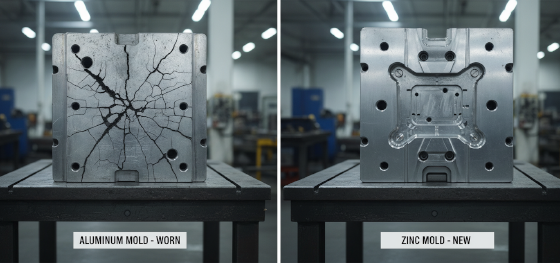
Does the specific metal alloy you inject alter the physical lifespan of the mold?
Yes, low-melting-point alloys like zinc Zamak process at much cooler temperatures, reducing thermal shock and allowing the exact same steel tool to survive over a million injections without degrading.
Processing high-heat metals like aluminum severely punishes the steel cavity, increasing your overall tooling replacement costs due to shorter mold lifespans and frequent secondary CNC finishing requirements.
Transitioning your structural designs to highly fluid zinc changes the financial math entirely. Because the mold lasts ten times longer, your amortized mold tooling cost drops to mere fractions of a penny, making your ongoing die casting piece part price remarkably efficient.
Turnkey Factory Efficiencies: Slashing Expenses with Advanced Machinery
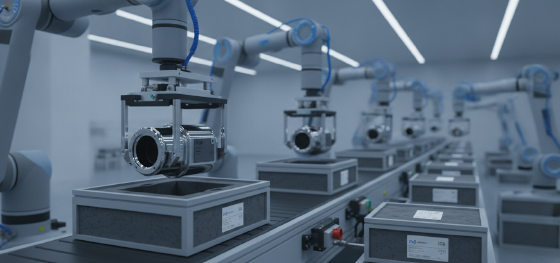
Comparing raw numbers from different suppliers requires a highly standardized diagnostic baseline. The comparison table below outlines how optimizing your mold layout can drastically slash your overall production expenses.
| Optimization Parameter | Standard Factory Mold Layout | Optimized Turnkey Mold Layout |
|---|---|---|
| Injection Velocity | Standard cold chamber speed | Rapid-fire hot chamber cycle speeds |
| Tooling Steel Quality | Low-grade steel (Wears out quickly) | Premium hardened H13 tool steel |
| Tool Lifespan (Shots) | 100,000 shots (Requires frequent rebuilds) | 1,000,000+ shots (No rebuilds needed) |
Relying on brokers who simply accept your drawings without question is highly dangerous. JC Rapid offers a highly detailed, complimentary DFM review to show you exactly how to optimize your wall thicknesses and gating systems to minimize your zinc die casting cost.
Stop paying for over-engineered designs and unnecessary shipping fees. Send your complex CAD files to our engineering team today. We will run a complete, manual DFM flow analysis and deliver an extremely precise, guaranteed manual quote within twenty-four hours of submission.
FAQ: Honest Answers About Tooling Amortization and Scrap
Does the complexity of the internal gating system increase my zinc die casting cost?
Yes, complex runner channels consume more raw metal per shot. We design highly optimized gating paths to minimize excess scrap metal, keeping your material waste exceptionally low.
Can I run zinc and aluminum through the exact same steel mold?
No. Because different metals shrink and contract at completely different rates, pouring aluminum into a mold designed for zinc will result in parts that fail to meet your dimensional tolerances.
Do you charge extra fees for mandatory Material Test Reports?
Providing complete chemical certifications (CoA) and RoHS compliance certificates with every single delivery is our standard practice, included entirely free of charge.
How fast can your engineers deliver a final manual quote?
We bypass the inaccurate automated estimators completely. Our technical team reviews your CAD files manually and delivers an extremely precise, guaranteed quote within twenty-four hours of submission.

