


Reducing structural weight is the most critical survival metric for modern vehicle manufacturers. Car companies constantly fight to extend electric vehicle ranges and cut fuel consumption without compromising passenger cabin safety. Specifying professional automotive die casting allows engineers to replace heavy iron chassis frames with ultra-lightweight, high-strength metal alloys.
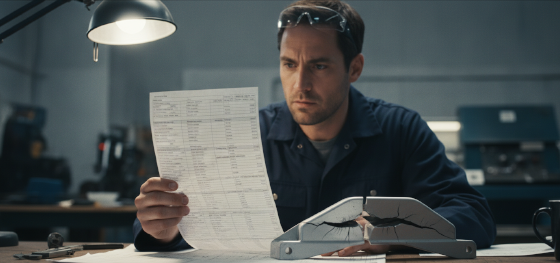
Rushing into mass production without testing physical limits is a dangerous financial gamble. Every single second your part spends cooling inside the press directly drives up your ongoing expenses. Deciding between different die casting applications wisely ensures your early-stage cash flow remains completely secure while protecting your product lifespans.
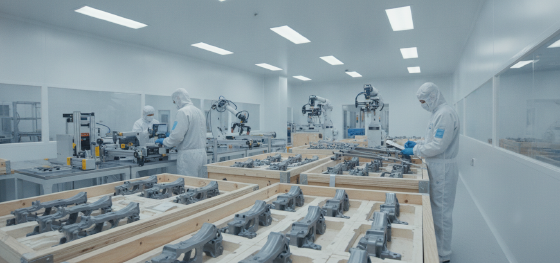
Consolidating your entire hardware pipeline inside our advanced precision manufacturing facility eliminates logistical delays and vendor finger-pointing. Let's dissect how aluminum and magnesium alloys maximize vehicle ranges, why vacuum systems are mandatory for structural parts, and how turnkey factories assemble complex car assemblies.
content:
Weight Reduction: Fuel Efficiency and Electric Vehicle Range
Defeating Porosity: Vacuum-Assisted Technology for Safety Components
Lighting Assemblies: Custom Housings and CNC Lenses
Flexible Production: Low-Volume Sourcing for Car Startups
FAQ: Honest Answers About Tooling Amortization and Scrap
Weight Reduction: Fuel Efficiency and Electric Vehicle Range
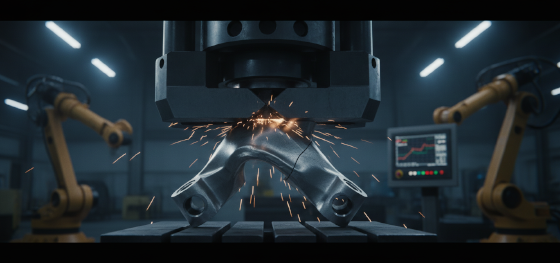
Why do electric vehicle manufacturers heavily prioritize aluminum over traditional steel?
Because lightweight alloys drop structural weight by nearly sixty percent, allowing cars to carry massive, heavy battery packs without losing acceleration.
Slicing pounds off the central chassis is the ultimate secret to dropping your ongoing operational costs. Aerospace-grade aluminum and ultra-light magnesium alloys deliver incredible, automated speed, driving your ongoing unit expense down to mere pennies.
Balancing this weight reduction against strength is a non-negotiable step. Custom automotive die casting ensures every single bracket and suspension component remains completely rigid under brutal highway stresses and constant road vibrations.
Defeating Porosity: Vacuum-Assisted Technology for Safety Components
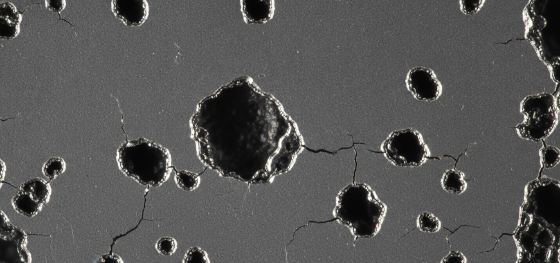
Why do standard high-pressure castings fail under severe automotive crash-test audits?
Traditional high-speed injection wraps microscopic air bubbles inside the liquid metal, creating hidden internal gas voids that make the parts brittle.
Designing critical safety parts like steering knuckles requires zero internal porosity. We deploy advanced vacuum-assisted die casting to suck all oxygen out of the mold cavity milliseconds before injection, preventing the internal voids that cause metal to snap under pressure.
Securing this perfect density allows engineers to successfully heat-treat the parts later. This thermal tempering process skyrockets your ultimate tensile strength, delivering castings that closely rival the structural performance of solid machined blocks.
Lighting Assemblies: Custom Housings and CNC Lenses
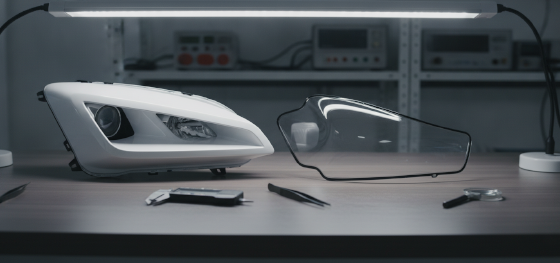
How do top car manufacturers source complete, watertight headlight assemblies cheaply?
By partnering with a single turnkey supplier that handles both the raw metal housing casting and the high-precision plastic lens machining under one roof.
Standard bracket manufacturers only pour metal, forcing you to find a separate vendor to machine the delicate plastic optics. This fragmented approach increases your shipping costs, lead times, and scrap rates through constant handling.
Processing complex automotive die casting components is a core specialty of our facility. We combine high-speed metal injection with custom PMMA/PC lens molding, allowing you to source fully assembled headlight housings without logistical friction.
Flexible Production: Low-Volume Sourcing for Car Startups
Comparing raw numbers from different suppliers requires a highly standardized diagnostic baseline. The comparison table below outlines how custom rapid tooling can slash your initial tooling debt.
| Tooling Technology | Expected Tool Lifespan | Upfront Capital Investment |
|---|---|---|
| Standard Mass Production | 100,000+ Shots (Hardened H13 Steel) | Highest upfront NRE fee |
| JC Rapid Prototyping | 2,000 to 5,000 Shots (Modular Aluminum) | Cuts tooling bills by fifty percent |
Sourcing low-volume runs is perfect for innovative car startups trying to launch new electric vehicle models quickly. We maintain a highly flexible, fully audited facility, allowing us to run short batches of 100 to 5,000 pieces with highly competitive tooling and piece pricing.
Stop paying outrageous unit prices for slow subtractive milling or high-NRE mold tooling. Send your complex CAD files to our engineering team today. We will run a complete, manual DFM flow analysis and deliver an extremely precise, guaranteed manual quote within twenty-four hours.
FAQ: Honest Answers About Tooling Amortization and Scrap

Does the complexity of the internal gating system increase my automotive die casting cost?
Yes, complex runner channels consume more raw metal per shot. We design highly optimized gating paths to minimize excess scrap metal, keeping your material waste exceptionally low.
Can I run zinc and aluminum through the exact same steel mold?
No. Because different metals shrink and contract at completely different rates, pouring aluminum into a mold designed for zinc will result in parts that fail to meet your dimensional tolerances.
Do you charge extra fees for mandatory Material Test Reports?
Providing complete chemical certifications (CoA) and RoHS compliance certificates with every single delivery is our standard practice, included entirely free of charge.
Why does your factory rely strictly on high-grade H13 tool steel?
Because aluminum melts at extremely high temperatures, causing severe thermal fatigue on the mold. Utilizing premium H13 steel ensures your molds comfortably survive up to 100,000 shots.

