


Achieving a flawless, customized aesthetic with precise color-matching on intricate consumer electronics, medical analyzer housings, and automotive bezels is a major milestone in custom sheet metal fabrication. Specifying professional painting sheet metal allows engineers to achieve an ultra-smooth, high-gloss, or textured cosmetic finish using premium liquid polymers that can be perfectly matched to corporate branding standards. This traditional wet spray process utilizes compressed air or airless atomizers to deposit a thin, highly consistent layer of liquid acrylics, polyurethanes, or epoxies, delivering outstanding environmental protection and cosmetic detailing.
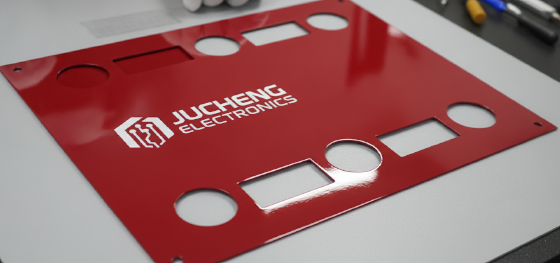
Wasting capital on poorly painted panels that exhibit orange peel, dust inclusions, or premature peeling around critical seams is a major risk for high-end B2B hardware rollouts. If your manufacturing partner runs a contaminated spray line or neglects advanced multi-stage chemical cleaning, the liquid paint film will rapidly bubble, chip, and lift off, exposing the underlying bare alloy to fast rust. Transitioning to a professional, dust-free wet spraying process completely eliminates these surface defects.
Let's explore when to select wet spray over dry powder coatings, analyze how surface pre-treatment and priming ensure a robust mechanical bond, and review how multi-color masking achieves clean, sharp contrast lines on your assemblies.
When to Choose Liquid Painting over Powder Coating

What physical and cosmetic requirements dictate choosing wet spray over dry powder?
Liquid wet paint is chosen for designs requiring exact Pantone color matches, ultra-thin film thickness limits, and curing temperatures below 100 degrees Celsius.
While dry powder coating is the industry workhorse for thick, impact-resistant industrial brackets, professional wet painting is heavily specified for premium cosmetic applications. Liquid paint typically builds a thin film thickness of 15 to 30 microns, which is far thinner than standard powder coatings. This ultra-thin control is essential for tight tolerance assemblies, preventing paint buildup from clogging internal thread clearances or causing interlocking hinges to bind.
Furthermore, liquid spray allows for unlimited, exact custom color matching utilizing standard Pantone or RAL color codes. This is critical for consumer product brands with strict corporate identity requirements. Additionally, because liquid acrylics and polyurethanes can cure at low room temperatures or under mild force-drying (under 80 degrees Celsius), wet spray is the mandatory finishing choice for plastic-hybrid parts, rubber-overmolded brackets, and heat-sensitive sub-assemblies that cannot survive the high 200-degree baking curves of powder ovens.
| Finishing Variable | Liquid Wet Spraying | Electrostatic Powder Coating |
|---|---|---|
| Dry Film Thickness (DFT) | 15 to 30 microns (Thin-film precision) | 60 to 120 microns (Thick barrier) |
| Curing Temperatures | Low (Ambient to 80°C - safe for electronics) | High (180°C to 200°C - restricts assemblies) |
| Color Matching Precision | Superior (Exact Pantone and metallic matching) | Moderate (Restricted to pre-formulated batches) |
| Part Surface Texture | Ultra-smooth high gloss, satin, or soft-touch | Textured, ripple, sand-grain, or heavy matte |
Surface Prep and Priming for Optimal Adhesion

How do pre-treatment and chemical priming prevent paint peeling on smooth metal surfaces?
We perform chemical degreasing and zinc-phosphate etching, followed by applying a high-bond primer to establish a strong mechanical "tooth" for the final coat.
Applying liquid paint directly onto raw, unetched sheets is a primary cause of finish failures. To ensure a lifetime bond, the metal must undergo rigorous multi-stage preparation. We submerge raw parts into chemical baths to strip away rust-preventative mill oils and laser-cutting oxides. We then apply an iron phosphate conversion coating to micro-etch the metal surface, maximizing paint adhesion.
Following pre-treatment, we apply a high-durability epoxy primer. This primer serves as a chemical bridge, bonding strongly to the raw steel or aluminum substrate while providing a receptive, porous top surface that locks the subsequent liquid polyurethane topcoat in place. Utilizing a zinc-rich primer is highly recommended for carbon steel plates, establishing an active corrosion barrier that prevents rust from creeping beneath the paint layer if the panel is scratched in the field.
Multi-Color Masking and Cosmetic Detailing

How do custom fabricators achieve sharp, crisp contrast lines on dual-color faceplates?
We design custom precision masking fixtures and utilize high-temperature polyester masking tape to cover specific areas during sequential spraying.
Creating high-end, multi-color panels with clean, razor-sharp boundary lines requires meticulous manual expertise. This advanced cosmetic detailing relies heavily on precise masking. Our finishing team utilizes specialized, high-temperature masking tapes and custom die-cut silicone plugs to cover critical areas (such as grounding studs, internal threads, and distinct aesthetic sections) before spraying.
The masking tape must be applied with perfect alignment; any micro-gaps will allow paint mist to bleed underneath, ruining the cosmetic lines. For dual-color layouts, we spray the first custom color, partially bake the film, apply precision masking over the cured areas, and spray the second color. This multi-stage process delivers pristine, high-contrast faceplates and contrast panels that elevate the premium branding of your product.
Professional Wet Painting Services in Jucheng's Dust-Free Facilities
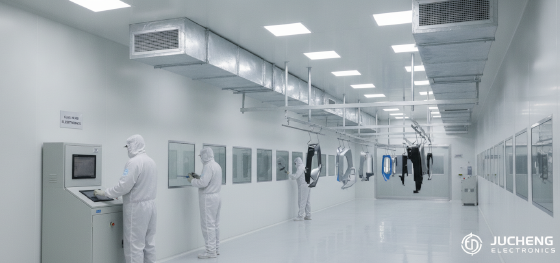
How does Jucheng Precision prevent airborne dust and lint defects on high-gloss painted parts?
We operate Class 10,000 positive-pressure clean spray rooms integrated with advanced water-wash air filtration systems to capture all airborne particulates.
Integrating this advanced, multi-stage sheet metal surface treatment into your turnkey fabrication flow is the single most effective way to eliminate logistical bottlenecks and double-handling shipping bills. Jucheng Precision houses these positive-pressure spray booths and force-drying lines inside our 8000-square-meter facility, ensuring that your parts are cut, folded, painted, and assembled under one roof with extreme quality control.
We process a wide range of materials, including lightweight aluminum, high-yield stainless steel, and easily formable carbon steel during high-precision sheet metal fabrication cycles. Our technical department provides a 24-hour free DFM analysis to check your CAD models, checking tolerances and hinge clearances before production. Supported by our no MOQ policy and rapid delivery guarantee, we manage your project from initial flat pattern cutting to final, high-durability liquid painting and assembly.
FAQ: Critical Questions About Painting Sheet Metal

Our engineering team has compiled professional solutions to the most common quality challenges faced during wet painting runs:
How does Jucheng Precision test the adhesion strength of liquid paint coatings?
We perform standardized cross-hatch adhesion testing (according to ASTM D3359 standards). Our quality control team cuts a precise lattice pattern through the cured paint film to the metal substrate, applies specialized pressure-sensitive tape, and pulls it off. By inspecting the grid for paint peeling or flaking under a magnifier, we verify that the mechanical bond meets strict industrial durability standards.Why is a solvent rub test necessary for liquid painted parts?
A solvent rub test (typically using methyl ethyl ketone under ASTM D5402 standards, known as the MEK rub test) is essential to verify that the liquid paint has cured completely. Our inspectors rub the cured paint film with a saturated cotton pad under controlled pressure. If the paint softens or rubs off during the test, it indicates incomplete chemical crosslinking, requiring adjustments to our oven baking times.Can pre-anodized aluminum sheets be wet painted successfully?
Yes, but pre-anodized parts require a specialized chemical primer. The anodized layer is extremely hard and smooth, which prevents standard liquid paint from bonding. We apply a thin, specialized wash primer or vinyl-butyral primer to chemically etch the anodized oxide layer, ensuring a high-strength bond for our cosmetic polyurethane topcoats.How does Jucheng Precision prevent surface defects on custom painting sheet metal orders?
We execute rigorous quality control gates across our finishing line, utilizing advanced positive-pressure clean rooms to eliminate airborne dust contamination. Our technicians measure film thicknesses using digital magnetic gauges, perform regular cross-hatch adhesion tests, and conduct strict visual inspections under specialized color-matching lights, ensuring that every finished component meets your strict cosmetic and mechanical durability requirements.

