


Ceramic materials have become indispensable in modern manufacturing due to their exceptional properties, such as high hardness, thermal stability, and corrosion resistance. However, machining ceramics requires special
ized techniques to overcome their brittleness and achieve precise tolerances. Computer Numerical Control (CNC) technology has revolutionized this field, enabling efficient production of complex ceramic components.
This article explores key aspects of ceramic CNC machining, including materials, processing methods, and advanced machinery, while highlighting practical applications and cost-effective solutions. We will delve into specific topics like ceramic processing, CNC milling, grinding, and laser cutting, providing insights for industries ranging from aerospace to medical devices. By understanding these elements, manufacturers can optimize their workflows and leverage innovations for superior outcomes.
content:
Understanding Ceramic Materials and Their Properties
The Fundamentals of Ceramic Processing
Advancements in Ceramic CNC Machining
Exploring Ceramic CNC Machining Parts
Affordable Solutions: Cheap CNC Grinding Machines for Ceramics
Precision with CNC Ceramic Milling Machines
Efficiency of CNC Laser Ceramic Cutting Machines
Benefits of Wholesale Ceramic CNC Machining Parts
Optimizing Operations with CNC Ceramic Grinding Machines
Understanding Ceramic Materials and Their Properties
Ceramics encompass a diverse group of materials, including oxides, nitrides, and carbides, each tailored for specific applications. Common examples include alumina, zirconia, and silicon carbide, which are prized for their mechanical strength and electrical insulation. Materials in ceramics are selected based on factors like thermal conductivity, wear resistance, and biocompatibility. For instance, alumina ceramics are widely used in electrical insulators due to their high dielectric strength, while zirconia's toughness makes it ideal for dental implants and cutting tools. These materials often undergo rigorous testing to ensure they meet industry standards, as even minor impurities can affect performance. Understanding the intrinsic properties of ceramics is crucial for determining the appropriate machining strategies, as their hardness necessitates diamond-tipped tools and controlled processes to prevent cracking or chipping during fabrication.
The Fundamentals of Ceramic Processing
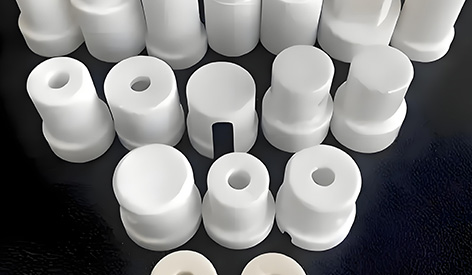
Ceramic processing involves a series of steps to transform raw materials into finished products, starting with powder preparation and shaping, followed by sintering and finishing. Initially, ceramic powders are mixed with binders and formed into green bodies through methods like pressing or extrusion. Sintering at high temperatures then densifies the material, enhancing its structural integrity. Post-processing, such as grinding or polishing, refines the surface finish and dimensional accuracy. This stage is critical because improper handling can introduce defects, reducing the component's lifespan. In recent years, advancements in ceramic processing have integrated digital tools for real-time monitoring, improving consistency and reducing waste. By mastering these fundamentals, manufacturers can produce reliable ceramic parts that meet stringent specifications for industries like automotive and electronics.
Advancements in Ceramic CNC Machining
Ceramic CNC machining utilizes computer-controlled equipment to shape ceramic materials with high precision, overcoming traditional limitations like tool wear and material brittleness. This process involves subtractive manufacturing, where excess material is removed from a workpiece using drills, mills, or grinders. Key advantages include the ability to create intricate geometries and maintain tight tolerances, which are essential for components like semiconductor wafers or medical instruments. Operators must carefully select parameters such as spindle speed and feed rate to minimize thermal stress and micro-cracks. Additionally, coolant systems are often employed to dissipate heat and extend tool life. As demand for miniaturized and high-performance parts grows, ceramic CNC machining continues to evolve, incorporating adaptive control systems that adjust in real-time to material variations, ensuring consistent quality across production runs.

Exploring Ceramic CNC Machining Parts
Ceramic CNC machining parts are components fabricated through precision CNC techniques, ranging from simple seals to complex aerospace fittings. These parts are designed to withstand extreme environments, such as high temperatures in engine components or corrosive conditions in chemical processing equipment. Common examples include nozzles, bearings, and insulating substrates, which require flawless surfaces and exact dimensions. The production of ceramic CNC machining parts often involves multi-axis machines that enable simultaneous cutting from multiple angles, reducing setup time and enhancing accuracy. Quality assurance measures, like coordinate measuring machines (CMM), are used to verify compliance with design specs. For bulk needs, manufacturers can source wholesale ceramic CNC machining parts from specialized suppliers, offering cost savings without compromising on performance. This accessibility supports industries in scaling production while maintaining reliability.
Affordable Solutions: Cheap CNC Grinding Machines for Ceramics
Investing in cheap CNC grinding machines for ceramics provides an economical entry point for small to medium-sized enterprises looking to enhance their machining capabilities. These machines are designed to perform precision grinding operations, such as surface finishing or edge profiling, using diamond or cubic boron nitride (CBN) wheels. While lower-cost models may lack advanced features like automated tool changers, they still deliver reliable performance for basic applications, such as producing ceramic tiles or simple industrial components. When selecting a cheap CNC grinding machine, consider factors like spindle power, table size, and software compatibility to ensure it meets production demands. Regular maintenance, including wheel dressing and lubrication, can prolong machine life and prevent downtime. By opting for budget-friendly options, businesses can achieve competitive pricing for their ceramic products while gradually upgrading to more sophisticated systems as needs evolve.
Precision with CNC Ceramic Milling Machines
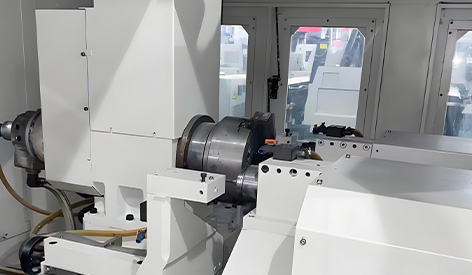
CNC ceramic milling machines are specialized equipment that uses rotating cutters to remove material from ceramic workpieces, creating complex shapes and fine details. These machines typically feature high-speed spindles and rigid frames to handle the abrasive nature of ceramics, reducing vibration and tool deflection. Advanced models incorporate CAD/CAM software for seamless design-to-production workflows, allowing operators to simulate cuts and optimize tool paths before actual machining. This minimizes errors and material waste, making CNC ceramic milling ideal for prototyping and low-volume production. For instance, in the electronics industry, these machines are used to fabricate circuit board substrates with micron-level accuracy. Emphasizing coolant management and tool selection—such as polycrystalline diamond (PCD) end mills—ensures efficient operations and extends machine longevity, supporting high-quality output across diverse sectors.
Efficiency of CNC Laser Ceramic Cutting Machines
CNC laser ceramic cutting machines employ focused laser beams to slice through ceramic materials with minimal contact, reducing mechanical stress and enabling intricate patterns. This non-traditional method is particularly effective for thin ceramics, such as those used in sensors or decorative items, as it offers high speed and clean edges. The process involves directing a high-energy laser onto the workpiece, which vaporizes or melts the material along predefined paths. Key benefits include reduced tool wear and the ability to process brittle materials without chipping. However, operators must control parameters like laser power and pulse duration to avoid thermal damage, such as cracking or discoloration. Modern CNC laser ceramic cutting machines often include integrated vision systems for alignment and real-time adjustments, enhancing precision. As laser technology advances, these machines are becoming more accessible for applications in industries like healthcare and consumer goods.
Benefits of Wholesale Ceramic CNC Machining Parts
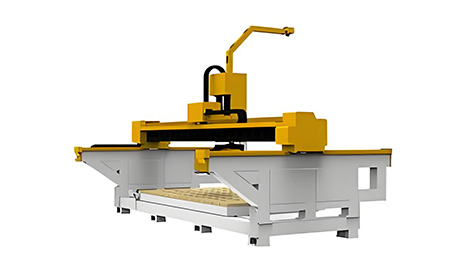
Sourcing wholesale ceramic CNC machining parts allows businesses to procure large quantities of precision components at reduced costs, streamlining supply chains for industries like automotive and telecommunications. Wholesale suppliers typically offer a range of standard and custom parts, manufactured using state-of-the-art CNC equipment to ensure consistency and adherence to specifications. This approach is cost-effective for high-volume orders, as bulk pricing lowers per-unit expenses without sacrificing quality. Additionally, many wholesalers provide value-added services, such as secondary processing or quality inspections, to meet specific client requirements. By partnering with reputable suppliers, companies can reduce lead times and inventory costs while accessing a diverse portfolio of ceramic parts, from insulators to structural elements. This model supports just-in-time manufacturing and enhances competitiveness in global markets.
Optimizing Operations with CNC Ceramic Grinding Machines
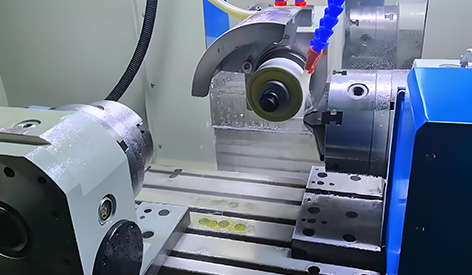
CNC ceramic grinding machines are engineered for high-precision surface finishing and dimensional control, utilizing abrasive wheels to achieve sub-micron tolerances. These machines are vital for applications requiring ultra-smooth surfaces, such as optical components or medical implants, where even minor imperfections can impair functionality. Features like automatic wheel dressing and in-process gauging enable continuous operation and consistent results, reducing manual intervention. For example, in the production of ceramic bearings, CNC grinding ensures roundness and low friction coefficients. Operators must prioritize wheel selection and coolant filtration to maintain efficiency, as ceramic dust can accelerate wear. With advancements in multi-axis configurations, these machines can handle complex geometries, making them indispensable in sectors demanding extreme accuracy. Regular calibration and software updates further enhance performance, supporting long-term reliability.
In conclusion, the integration of CNC technology in ceramic manufacturing has unlocked new possibilities for precision and efficiency. From material selection and processing to the use of advanced machines like CNC mills, grinders, and laser cutters, each element plays a critical role in producing high-quality ceramic parts. Affordable options, such as cheap CNC grinding machines, make this technology accessible, while wholesale sourcing optimizes costs for large-scale production. As industries continue to demand durable and precise components, ongoing innovations in ceramic CNC machining will drive progress, enabling manufacturers to meet evolving challenges with confidence. By embracing these tools and techniques, businesses can achieve superior outcomes and maintain a competitive edge in the global market.

