


Ceramic materials have been a cornerstone of human innovation for millennia, evolving from simple pottery to high-performance components in cutting-edge industries. Today, ceramics are indispensable in fields ranging from aerospace to biomedical engineering, thanks to their unique combination of properties that metals and polymers often cannot match. This article delves into the fundamental aspects of ceramic materials, exploring their types, inherent characteristics, diverse applications, and the advanced processing techniques that enable their use in demanding environments. We will examine key topics such as ceramic oxide compounds, CNC machining, and injection molding, providing a comprehensive overview of why these materials are critical to modern technology and industrial progress. Understanding these elements is essential for engineers, designers, and manufacturers seeking to leverage ceramics for innovative solutions.
Different Kinds of Ceramic Materials
What Makes Ceramics So Special?
When we talk about "materials in ceramics," we mean what they are built from. Think of it like a recipe. The main ingredients are usually special kinds of dirt, sand, and minerals. These aren't the same as metals. They are cooked at very high temperatures, which makes the tiny particles inside stick together very strongly.
For simple things like a flowerpot, we use clay from the ground. But for high-tech stuff, scientists use super-pure powders, like a white powder called alumina (which comes from aluminum). What we want the ceramic to do—like be super hard or handle heat—helps scientists decide which "ingredients" to choose.
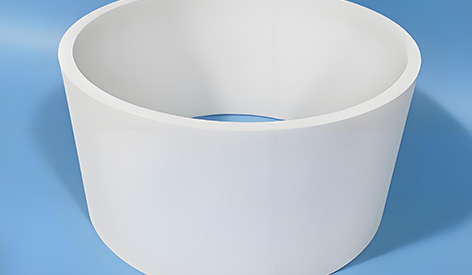
Different Kinds of Ceramic Materials
Not all ceramics are the same! We can put them into a few groups:
Traditional Ceramics: These are the classics! Things like the mug you drink hot chocolate from, a dinner plate, or the brick in a building. They are mostly made from clay.
Advanced Ceramics: These are the high-tech superheroes! They have names you might not have heard, like zirconia or silicon carbide. They are much stronger and can handle extreme heat better than traditional ceramics.
Ceramic Oxides: This is a common type of advanced ceramic. A very popular one is alumina. It's super hard and doesn't conduct electricity, so it's great for things like the insulator on a spark plug. Another one, zirconia, is super tough and is used to make fake diamonds and some medical implants.
What Makes Ceramics So Special?
Ceramics have some awesome superpowers:
Super Hard: They are very difficult to scratch. This is why some kitchen knives have ceramic blades.
Heat Lovers: They can get incredibly hot without melting. This is why they line the inside of a pizza oven or are used in rocket engines.
Electrical Insulators: Most ceramics don't let electricity pass through them. This makes them perfect for holding up power lines or being part of your smartphone.
Chemically Strong: They don't rust or react easily with other chemicals. This is great for making containers for harsh chemicals.
But, they have one weakness: they can be brittle. This means if you drop a ceramic plate on a hard floor, it might shatter. It's strong under a squeezing force, but not a sharp hit. Scientists are always working to make ceramics tougher! The following will introduce other processing methods of ceramics.
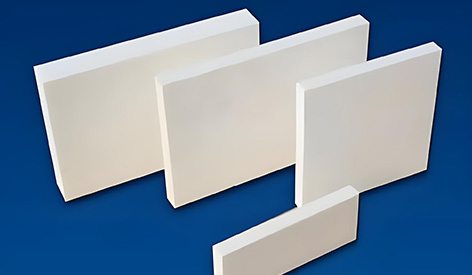
Ceramics are everywhere! Here are some cool examples:
Electronics: They are inside your phone and computer, helping to manage heat and keep the electrical parts insulated.
Cars & Spacecraft: They are in the catalytic converter that cleans a car's exhaust and in the heat tiles that protect a space shuttle when it re-enters the Earth's atmosphere.
Medicine: Doctors use special "bioceramics" that your body doesn't reject to make fake bones and teeth.
Everyday Life: You can find them in the beautiful floor tiles in your house, the nice plate your dinner is served on, and even in some types of beautiful art.
Making something out of ceramic is a bit like a fun science project. It usually involves a few key steps:
Make the Powder: First, you start with the right ceramic powder, like flour for baking.
Shape It: Next, you mix the powder with a little water or other stuff to make it sticky, and then you shape it. You can press it into a mold (like making a sandcastle), pour it into a form, or even squeeze it out like toothpaste (this is called extrusion).
Let it Dry: The shaped piece, called a "green body," is left to dry. This makes it hard, but it's still very fragile.
Fire It Up! Now, the real magic happens. The dried piece is baked in a super-hot oven called a kiln. This is like baking cookies, but much, much hotter! This process, called sintering, makes the powder particles stick together forever, turning the soft shape into a hard, strong ceramic.
Final Touches: Sometimes, the ceramic piece needs to be perfect on the outside. So, we can grind it or polish it to make it smooth and the right size.

For very complex or perfect shapes, we have some amazing machines:
Ceramic CNC Machining: This is like a super-smart robot sculptor. A computer tells a machine with a special diamond-tipped tool to carefully carve a piece of ceramic. It has to be very gentle so the ceramic doesn't crack. This is great for making one-of-a-kind parts for machines or medical tools.
Ceramic Injection Molding: This is a cool way to make lots of identical, complex shapes quickly. The ceramic powder is mixed with a plastic-like binder to make a "dough." This dough is then squeezed into a mold, just like how plastic toys are made. Later, the plastic part is removed and the ceramic is sintered to become solid. This is how tiny, intricate parts for electronics or watch mechanisms are made.
In conclusion, ceramic materials represent a dynamic and essential class of engineering materials with a broad spectrum of types, characteristics, and applications. From traditional uses to modern advancements in processing techniques like CNC machining and injection molding, ceramics continue to enable technological progress across multiple sectors. The ongoing development of ceramic oxide and other compositions promises even greater performance and sustainability in the future. As industries push the boundaries of what is possible, a deep understanding of these materials will be crucial for harnessing their full potential, fostering innovation, and addressing global challenges in energy, healthcare, and beyond.

