


Precision machining is a cornerstone of modern manufacturing, enabling the creation of high-tolerance components with exceptional surface quality. From grind machining to advanced CNC milling, various techniques ensure optimal performance across industries. This article explores key machining processes, materials like tungsten, and applications ranging from tire molds to stained glass fixtures.
The Role of Grind Machining in Surface Perfection
Understanding Machine Surface Finishes
Tungsten: Machining the Unyielding Metal
The Art and Science of Stained Glass Fabrication
Tire Manufacturing: Precision Meets Durability
The Evolution of Milling Technology
CNC: The Backbone of Modern Machining
The Role of Grind Machining in Surface Perfection
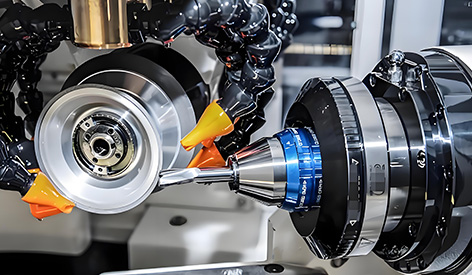
Grind machining is a subtractive process that uses abrasive wheels to achieve ultra-smooth finishes. This method is ideal for hard materials such as tungsten, where traditional cutting tools may fail. By precisely removing microscopic layers, grinding enhances the machine surface integrity, reducing friction and wear in high-stress applications like aerospace bearings or automotive tire molds.
Understanding Machine Surface Finishes
A well-prepared machine surface is critical for functionality and aesthetics. Techniques like lapping, honing, and polishing refine surfaces to sub-micron roughness levels. For instance, stained glass art often requires precisely machined metal frames with mirror-like finishes to enhance visual appeal. Similarly, industrial components demand controlled surface textures to ensure proper sealing or lubrication.
Tungsten: Machining the Unyielding Metal
Tungsten is renowned for its hardness and heat resistance, making it indispensable in tooling and electronics. However, machining tungsten demands specialized approaches. Grind machining with diamond abrasives or CNC milling with carbide tools is often employed. The resulting machine surface must withstand extreme conditions, such as in rocket nozzles or semiconductor fixtures.
The Art and Science of Stained Glass Fabrication
While stained glass is primarily an artistic medium, precision machining plays a vital role. Copper or lead cames—the channels holding glass pieces—require accurately mill-ed edges for seamless assembly. CNC routers can also carve intricate patterns into molds for casting glass components, ensuring consistency in decorative or architectural installations.

Tire Manufacturing: Precision Meets Durability
The production of tire molds relies heavily on high-precision CNC machining. Complex tread patterns are milled into steel or aluminum blocks, with each groove influencing traction and noise levels. A flawless machine surface ensures the mold releases the vulcanized rubber cleanly, maintaining the design’s integrity over thousands of cycles.
The Evolution of Milling Technology
Traditional mill machine processes have evolved with CNC automation, enabling unmatched precision. Modern 5-axis CNC machines can sculpt complex geometries—from turbine blades to stained glass molds—with tolerances under 0.001 inches. This advancement minimizes manual finishing, reducing production time while enhancing the machine surface quality.
CNC: The Backbone of Modern Machining
CNC (Computer Numerical Control) systems revolutionize manufacturing by automating tool paths for consistency and accuracy. Whether machining tungsten alloys or aluminum tire molds, CNC ensures repeatability. Additionally, integrated sensors monitor machine surface conditions in real-time, adjusting parameters to prevent defects.
From grind machining delicate tungsten components to CNC-carving stained glass frames, precision machining techniques deliver unparalleled quality. The interplay between material properties, tooling, and surface finishes dictates the success of applications as diverse as tire production and artistic fabrication. As technology advances, the pursuit of the perfect machine surface continues to drive innovation across industries.

