


Milling machines are versatile tools used in manufacturing and metalworking to shape solid materials like metal, wood, plastic and aluminum. By removing material with rotary cutters, these machines can produce precise parts with complex geometries. From small bench-top models to industrial 5-axis systems, milling machines play a crucial role in modern fabrication.
Understanding Milling Machines
The Role of CNC in Modern Milling
Common Types of Milling Machines
Advantages of 5-Axis Milling
Small and Bench Milling Machines for Precision Work
Vertical Milling Machines: A Popular Choice
Precision Milling for High-Tolerance Applications
Understanding Milling Machines
A milling machine operates by rotating a cutting tool against a stationary workpiece, removing material to achieve the desired shape. These machines can perform a variety of operations, including drilling, slotting, and contouring. Manual milling machines require operator intervention, while CNC (Computer Numerical Control) milling machines automate the process for higher precision and repeatability.
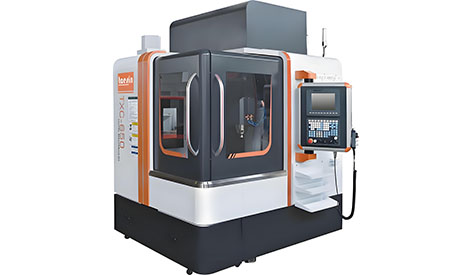
The Role of CNC in Modern Milling
CNC milling machines have revolutionized manufacturing by enabling automated, high-precision machining. Programmed with CAD/CAM software, CNC mills follow exact instructions to produce complex parts with minimal human intervention. Industries such as aerospace, automotive, and medical device manufacturing rely on CNC technology for consistent, high-quality output.
Common Types of Milling Machines
Milling machines come in various configurations, each suited for specific applications:
Vertical milling machines feature a vertically oriented spindle, making them ideal for plunge cuts and drilling.
Horizontal milling machines have a horizontal spindle, better suited for heavy material removal and large-scale production.
Bench milling machines are compact units designed for small workshops or prototyping.
5-axis milling machines provide multi-directional cutting capabilities, allowing for intricate geometries in a single setup.
Advantages of 5-Axis Milling
A 5-axis milling machine can move the cutting tool along five different axes simultaneously, enabling the production of highly complex parts without repositioning the workpiece. This reduces setup time and improves accuracy, making it essential for industries requiring tight tolerances, such as aerospace and medical implants.
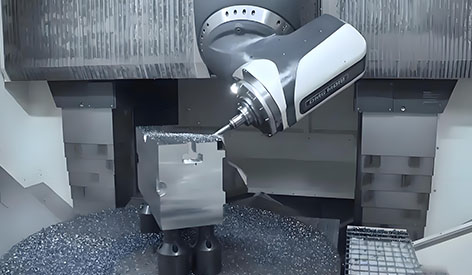
Small and Bench Milling Machines for Precision Work
Small milling machines and bench-top models are perfect for hobbyists, toolmakers, and small-scale manufacturers. Despite their compact size, they offer precision milling capabilities for detailed work. These machines are cost-effective and space-efficient, making them ideal for educational institutions and prototyping labs.
Vertical Milling Machines: A Popular Choice
Vertical milling machines are among the most widely used due to their versatility and ease of operation. The spindle’s vertical alignment allows for better visibility during machining, making them suitable for intricate engraving, die sinking, and PCB fabrication.
Precision Milling for High-Tolerance Applications
Precision milling is critical in industries where even minor deviations can lead to part failure. Advanced CNC mills equipped with high-resolution encoders and rigid frames ensure micron-level accuracy. This is particularly important in medical, defense, and optical manufacturing.
Milling machines, from manual bench models to advanced CNC 5-axis systems, are indispensable in modern manufacturing. Whether used for prototyping, small-scale production, or high-precision industrial applications, these machines deliver unmatched versatility and accuracy. Understanding their types and capabilities helps businesses and hobbyists choose the right equipment for their needs.
By leveraging the latest advancements in CNC technology and multi-axis machining, manufacturers can achieve greater efficiency and innovation in their workflows. From small milling machines to industrial-grade vertical and 5-axis systems, the right plastics and metal milling solution can transform raw materials into precision-engineered components.

