


Imagine a metal as strong as aluminum, but 33% lighter. A material that can create incredibly strong, featherlight structures. A material that dampens vibration better than any other common metal.
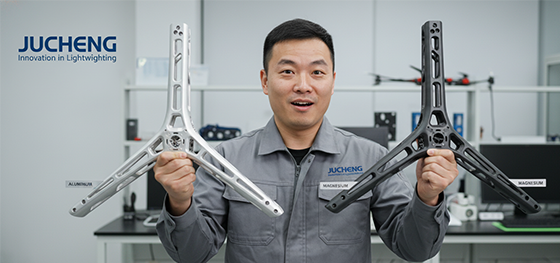
This is the engineer's dream. This is Magnesium. But this dream comes with a warning. This metal is flammable.
The process of magnesium cnc machining is a high-stakes game. It is a pursuit of ultimate lightweight performance, balanced with an absolute, non-negotiable commitment to safety. It is a service for experts only.
The Dream: Lighter Than Aluminum
The Nightmare: A Highly Flammable Metal
Taming the Dragon: A Manufacturer's Discipline
Finishing and Protection: A Necessary Armor
The Dream: Lighter Than Aluminum

The number one reason to choose magnesium is its incredible low density. It is the lightest of all structural CNC machining materials. It is 75% lighter than steel and a full one-third lighter than aluminum.
This is a game-changing advantage for any application where weight is the primary enemy. In aerospace, a lighter drone frame means longer flight times. In professional power tools, a lighter housing reduces user fatigue. In high-end automotive wheels, less weight means better performance.
Alloys like AZ31B also offer an excellent strength-to-weight ratio. And they have a unique, superior ability to dampen vibration. This makes magnesium a very attractive choice for high-performance applications.
The Nightmare: A Highly Flammable Metal

But this amazing material has a dark side. A very dangerous one. Magnesium, especially in the form of fine chips or powder, is highly flammable.
The CNC machining process, by its very nature, creates fine chips and high temperatures. If the heat at the cutting tool is not properly controlled, it can easily ignite the magnesium chips.
And a magnesium fire is not a normal fire. It burns at an incredibly high temperature, with a blindingly white light. You cannot extinguish it with water. In fact, spraying water on a magnesium fire will make it explode. It requires a special Class D fire extinguisher.
This extreme fire risk is why many, if not most, machine shops will refuse to machine magnesium. It is a job that requires absolute discipline and specialized safety protocols.
Taming the Dragon: A Manufacturer's Discipline

So how do experts safely perform magnesium cnc machining? It is a process of total risk management.
First, the strategy is to prevent ignition at all costs. This means keeping the heat down and keeping the chips away from oxygen. The best way to do this is with "wet machining." We use a specialized, oil-based coolant that floods the cutting zone. This oil smothers the chips, preventing them from reacting with the air, and it constantly carries away heat.
Second, the tools and parameters must be perfect. We use extremely sharp cutting tools to reduce friction. We use very high feed rates to create thick chips, which are much harder to ignite than fine dust.
Third is a culture of discipline. Chip management is critical. The machine must be cleaned constantly to prevent any accumulation of chips. All chips must be stored in sealed, dedicated, and clearly labeled metal containers. And, of course, the workshop must be equipped with the correct Class D fire extinguishers. At JUCHENG, safety is not just a rule; it is the foundation of our entire process for machining magnesium.
Finishing and Protection: A Necessary Armor
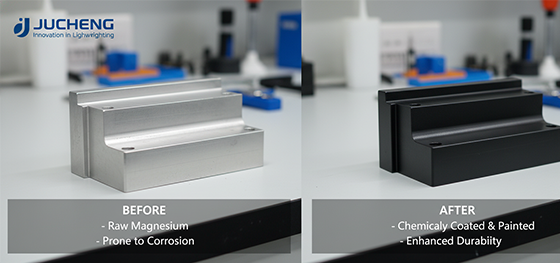
Magnesium has another weakness. It corrodes very easily, especially in humid or salt-air environments. A raw, machined magnesium part will tarnish and degrade quickly.
Because of this, a magnesium part must always have a protective surface coating. It cannot be used in its raw state.
The process is similar to aluminum. It starts with a chemical conversion coating. This creates a stable, inert film on the surface that improves corrosion resistance and provides an excellent primer for paint.
After this, a durable topcoat, like a powder coat or a special e-coat, is applied. This multi-layer armor is what allows the lightweight magnesium part to survive in the real world. When you choose magnesium, you must also budget for this essential finishing process.
Magnesium is a true wonder material. It pushes the boundaries of lightweight design. But it is a demanding partner. It requires a level of expertise, discipline, and safety that only a specialist can provide.

