


Dropping fifty thousand dollars on sensitive diagnostic sensors means absolutely nothing if the outer shell flexes under pressure. Flimsy plastic boxes twist aggressively during transit, throwing microscopic laser calibrations completely out of alignment. Securing a precision Measurement equipment housing eliminates this terrifying geometric drift instantly. Milled metallic walls provide absolute structural rigidity, locking delicate optics permanently into their designated focal pathways.
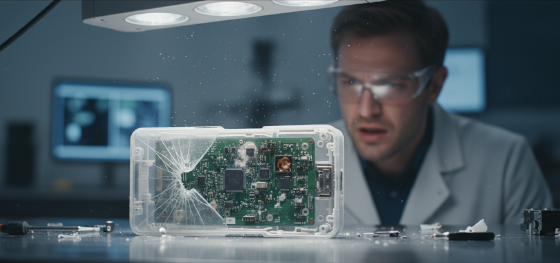
Procurement teams constantly gamble their budgets by wrapping highly sensitive motherboards in cheap, unshielded materials. Electromagnetic interference from nearby heavy machinery easily pierces weak plastic boundaries, violently corrupting critical diagnostic data. Upgrading your initial Industrial enclosure prototype with heavy-duty conductive barriers neutralizes this invisible threat completely.
Balancing extreme protection against low-volume production budgets demands ruthless engineering strategy. Let's dissect why subtractive milling destroys injection molding for small batches, how conductive chemical films block radio noise, and why medical environments demand specialized structural armor.
content:
Protecting Sensitive Diagnostics from Harsh Environments
Subtractive Milling vs Hard Tooling Economics
Internal Electromagnetic Shielding Finishes
Creating Housings for Laboratory and Field Use
Consolidated Hub: Securing Your Supply Chain
FAQ: Honest Answers About Weight and Tolerances
Protecting Sensitive Diagnostics from Harsh Environments
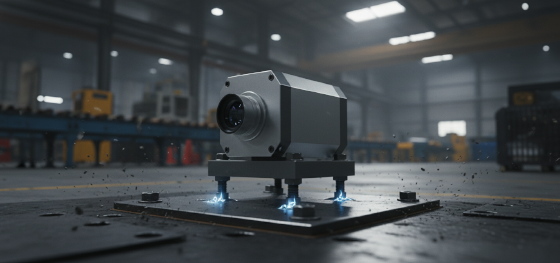
What exactly causes expensive optical testing equipment to generate false-positive readings?
Microscopic harmonic vibrations transferred from the factory floor travel directly through weak chassis walls, literally shaking the internal lenses out of focus and ruining the data stream.
Carving your primary diagnostic shell from solid aerospace aluminum creates an unyielding physical foundation. Heavy metallic mass acts as a natural dampener, aggressively absorbing kinetic tremors before they ever reach the fragile internal circuit boards.
Moisture and conductive factory dust represent equally devastating environmental threats. Milling precise O-ring compression grooves into the solid metal guarantees an impenetrable watertight seal, preventing toxic airborne debris from short-circuiting your vital measurement sensors.
Subtractive Milling vs Hard Tooling Economics
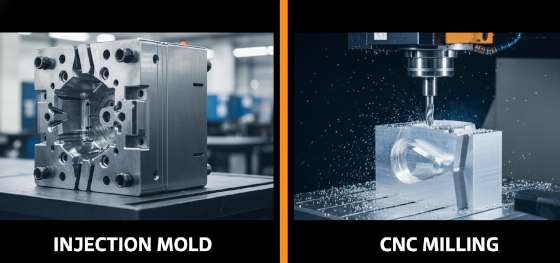
Paying fifty thousand dollars for a permanent steel injection mold to build your Measurement equipment housing makes zero financial sense when you only need two hundred commercial units. Hard tooling traps your capital immediately and rigidly prevents any future geometric design updates without incurring massive rebuild fees.
Deploying advanced 5-axis CNC machining completely bypasses this crippling NRE debt. Spindles carve exactly what your CAD file dictates directly from raw metal blocks, allowing engineers to iterate complex internal sensor mounts daily without paying penalty charges.
Slashing your time to market requires this exact mechanical agility. Fast subtractive cutting delivers your first batch of flawless commercial hardware in weeks, allowing your sales team to capture market share long before competitors even finish cutting their steel molds.
Internal Electromagnetic Shielding Finishes

Why does spraying beautiful cosmetic paint suddenly cause sensitive equipment to fail regulatory audits?
Thick layers of baked polymer paint act as massive electrical insulators, physically blocking the internal circuit boards from grounding properly and allowing destructive radio waves to leak out.
Defeating electromagnetic interference requires building a flawless Faraday cage around the processors. Mating two heavy blocks of bare metal with zero-gap tolerances traps this chaotic radiation completely. However, leaving raw metal exposed invites rapid galvanic corrosion.
Submerging the milled components into a specialized chromate conversion bath solves this paradox beautifully. This microscopic chemical film aggressively blocks rust while remaining highly conductive, ensuring your Measurement equipment housing passes strict federal emissions testing effortlessly.
Creating Housings for Laboratory and Field Use

Medical diagnostic bays and sterile research facilities demand vastly different material selections compared to rugged outdoor environments. Nurses wipe equipment aggressively with harsh sterilization bleach, demanding non-porous surfaces that actively repel bacterial growth.
Developing a specialized Laboratory instrument casing often involves pouring advanced liquid polyurethane into flexible silicone molds under vacuum conditions. This rapid casting method produces flawless, medical-grade aesthetic shells that easily resist severe chemical washdowns without melting.
Matching the correct fabrication process to your specific deployment environment prevents catastrophic field failures. We actively calculate your mechanical load limits, chemical exposure risks, and electromagnetic vulnerabilities before finalizing your production blueprint.
Consolidated Hub: Securing Your Supply Chain

Shipping raw milled brackets to a separate painting facility invites massive logistical friction. Bare metal oxidizes rapidly during transit, destroying the pristine surface chemistry required for tight assembly tolerances on your Measurement equipment housing.
Consolidating your entire manufacturing journey inside the massive JC Rapid precision facility completely eliminates this toxic supply chain risk. We mill the solid billets, apply the conductive chemical films, and execute final assembly testing entirely under one integrated roof.
Stop bleeding capital on false-positive diagnostic readings caused by vibrating, unshielded hardware. Send your intricate 3D models to our engineering team today for a ruthless structural audit and secure indestructible commercial armor.
FAQ: Honest Answers About Weight and Tolerances

Does carving thick metal walls drastically increase the overall weight of handheld testing tools?
Engineers aggressively utilize topological optimization software to hollow out unnecessary metallic mass, slashing the final payload weight while preserving ultimate yield strength.
Can I use conductive spray paint inside a cheap plastic shell instead of milling solid metal?
Conductive paints provide extremely weak, temporary shielding that inevitably flakes off under mild thermal stress, making solid metallic milling the only permanent solution for commercial electronics.
Will heavy industrial powder coating ruin the precise zero-gap mating seams?
Heavy polymers add significant measurable thickness to the hardware. Technicians proactively mask all critical mating faces and threaded grounding studs before baking to guarantee perfect physical alignment.
Why do highly complex internal cooling fins cost significantly more to manufacture?
Carving deep, intersecting thermal channels requires extended machine spindle time. We mathematically evaluate your required heat extraction to ensure you only pay for complex geometries when absolutely necessary.

