


Designing high-precision medical instruments leaves absolutely zero margin for error during surgery. Surgeons operating under intense operating room stress depend heavily on the tactile feedback and absolute rigidity of their instruments. Sourcing a precise Disposable surgical tool handle CNC assembly ensures your diagnostic tools maintain perfect physical balance and zero structural deflection under heavy torque. Slipping out of a physician's sweaty hand during a critical procedure is a dangerous clinical hazard you must eliminate.

Rushing into high-volume injection tooling before validating these complex ergonomic grips represents a massive financial gamble. Failing to test the physical weight and mechanical locking features leads to catastrophic failures in the operating theater. Developing a robust Medical device enclosure prototype alongside your surgical instruments resolves these structural weaknesses long before you commit to permanent steel molds.
Balancing lightweight biocompatibility with rigid structural strength defines true medical product engineering. Let's explore why subtractive milling beats injection molding for pilot runs, analyze the physical properties of advanced medical-grade polymers, and discover how multi-axis machining carves perfect non-slip textures.
content:
Subtractive Milling Versus Injection Molding
Materials: Biocompatible PEEK and Stainless Steel
Complex Geometries: Carving Non-Slip Knurled Grips
Quality Standards: Enforcing Medical-Grade Tolerances
FAQ: Honest Answers About Sterilization and Tolerances
Subtractive Milling Versus Injection Molding

Why do medical instrument developers select CNC milling over injection molding for surgical handles?
Milling raw solid billets eliminates expensive upfront tooling costs entirely, allowing engineers to iterate complex ergonomic designs daily while using real production-grade biocompatible materials.
Building expensive steel molds for a pilot run of five hundred surgical instruments makes zero financial sense. Thermoplastics injected under high pressure also shrink unpredictably, creating dimensional variances that ruin the tight tolerances required for interlocking medical assemblies.
Subtractive cutting delivers absolute physical consistency from the very first shot. Utilizing advanced Disposable surgical tool handle CNC fabrication ensures every single unit matches the CAD file precisely, allowing your clinical testing team to collect reliable data.
Materials: Biocompatible PEEK and Stainless Steel
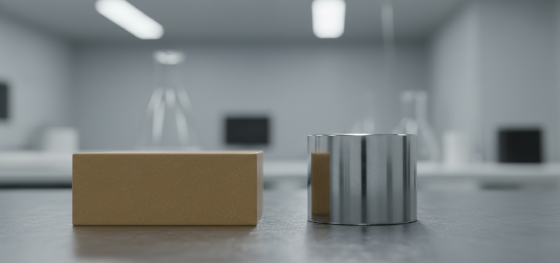
Which high-performance materials dominate modern surgical instrument manufacturing?
Engineers heavily specify PEEK polymers for lightweight insulation and extreme autoclave survival, alongside medical-grade stainless steel for absolute structural rigidity.
High-temperature autoclave cycles violently melt standard consumer plastics. Machining medical-grade PEEK ensures your disposable surgical tool handle CNC components survive repeated high-pressure steam sterilization without warping or losing their mechanical strength.
Heavy-duty surgical tools require the unyielding weight and corrosion resistance of stainless steel. We carve these high-strength components to microscopic tolerances, ensuring the metal resists aggressive medical disinfectants flawlessly.
Complex Geometries: Carving Non-Slip Knurled Grips
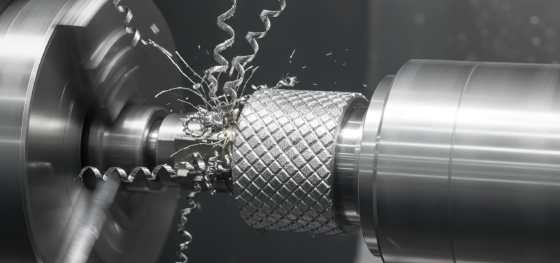
Selecting the right texture and material dictates whether a surgeon can maintain a secure grip during a chaotic, fluid-heavy operation. The comparative table below outlines how different manufacturing methods support specific clinical tactile goals.
| Fabrication Method | Tactile Grip Capability | Primary Clinical Advantage |
|---|---|---|
| 5-Axis CNC Knurling | Excellent (Carves razor-sharp cross-hatched metal ridges) | Absolute non-slip security under heavy surgical fluids. |
| Overmolded Rubber | Very Good (Provides soft, comfortable, ergonomic dampening) | Reduces physician hand fatigue during long procedures. |
| Textured Chemical Etching | Moderate (Creates a fine, uniform matte skin) | Easy to clean and sterilize completely. |
Slippery plastic handles are an absolute liability in the operating room. We utilize advanced 5-axis CNC machining to carve intricate, microscopic cross-hatched knurled textures directly into the metal or polymer surface.
This advanced multi-axis machining allows the cutter to follow the natural organic curves of your custom disposable surgical tool handle CNC design seamlessly, delivering a highly premium, non-slip tactile grip.
Quality Standards: Enforcing Medical-Grade Tolerances

Why do top-tier medical brands demand strict regulatory compliance during prototyping?
Because transitioning seamlessly from a prototype to FDA clearance requires proving that your manufacturing processes and material traceability comply with global quality standards.
Sourcing an ISO 13485 compliant prototype acts as your ultimate trust shield. JC Rapid implements rigorous material tracking, providing full chemical certs (CoA) and conducting strict quality inspections using advanced coordinate measuring machines (CMM).
Stop risking your medical hardware launch on unverified machine shops. Send your complex surgical CAD files to our engineering team today for a free DFM audit. We will optimize your tolerances, select the perfect biocompatible polymers, and deliver flawless clinical hardware.
FAQ: Honest Answers About Sterilization and Tolerances

Can these custom CNC-machined plastic handles be sterilized using gamma radiation?
Yes. Biocompatible polymers like PEEK and specialized medical-grade polycarbonates possess excellent radiation resistance, allowing them to undergo gamma sterilization without degrading.
Does the 5-axis machining process increase the final piece price significantly?
Milling complex, multi-sided geometries does require extended spindle time, which increases the initial prototyping cost. However, the elimination of NRE tooling fees makes it highly economical for low-volume runs.
Why do you perform ultrasonic cleaning on finished surgical components?
Specialized ultrasonic cleaning is non-negotiable for medical hardware. It violently blasts away all residual CNC cutting fluids and microscopic metal dust, delivering an absolutely sterile, implant-ready part.
How do you verify the exact chemical composition of the raw steel billets?
We utilize advanced spectrometers to verify the exact alloy mix of our incoming raw stock, providing our medical clients with complete material traceability and mill test certificates.

