


Designing structural components for sensitive clinical environments leaves absolutely zero margin for error. Medical device developers constantly fight to protect delicate diagnostic sensors from aggressive hospital bleach washes and electromagnetic noise. Specifying professional medical die casting allows engineers to replace fragile, porous plastic covers with unyielding, non-porous metallic armor.
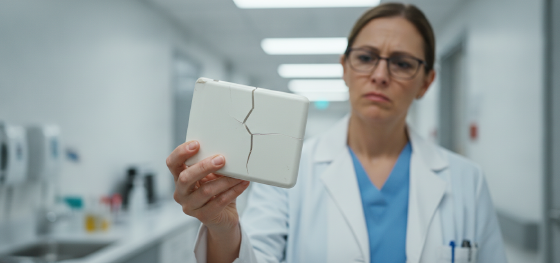
Rushing into mass production without verifying physical limits is a dangerous financial gamble. Every single second your part spends cooling inside the press directly drives up your ongoing expenses. Deciding between different die casting applications wisely ensures your early-stage cash flow remains completely secure while protecting your product lifespans.
Consolidating your entire hardware pipeline inside our advanced precision manufacturing facility eliminates logistical delays and vendor finger-pointing. Let's dissect why clinical instruments require heavy-duty metal housings, explore how conductive coatings block radio interference, and analyze how to combine raw casting with precision milling.
content:
Metal Enclosures: Why Medical Devices Depend on Structural Strength
Faraday Shields: Defeating Electromagnetic Interference in Clinical Settings
Precision Milling: Merging Raw Castings with Subtractive Machining
Surface Protection: Surviving Harsh Chemical Sterilization
Turnkey Medical Sourcing: Partnering with JC Rapid
FAQ: Honest Answers About Amortization and Scrap
Metal Enclosures: Why Medical Devices Depend on Structural Strength

Why do professional hospital devices require heavy-duty structural metal casings instead of plastic?
Because diagnostic equipment must support heavy weight, resist high-frequency vibrations, and protect sensitive internal electronics from external mechanical shocks.
Thick structural frames and heavy-lift mounting brackets require maximum tensile yield strength. If your central chassis flexes under the weight of a massive monitor arm, your entire machine will vibrate out of control and snap.
Managing this physical load requires specifying strong aerospace alloys. Choosing medical die casting ensures every single bracket and suspension component remains completely rigid under brutal daily clinical stresses and constant movement.
Faraday Shields: Defeating Electromagnetic Interference in Clinical Settings

How do custom metal enclosures prevent diagnostic errors during hospital procedures?
Solid metal naturally acts as an impenetrable Faraday cage, completely blocking external electromagnetic interference from scrambling delicate medical sensor readings.
Magnetic resonance imaging (MRI) machines and surgical lasers constantly emit massive electromagnetic waves. If your device lacks conductive metal shielding, these radio waves will corrupt your data streams, causing fatal diagnostic errors.
Securing absolute electromagnetic compliance is a non-negotiable step for healthcare brands. Molded metal housings block radio noise permanently, ensuring your critical diagnostic hardware passes strict clinical safety audits flawlessly.
Precision Milling: Merging Raw Castings with Subtractive Machining
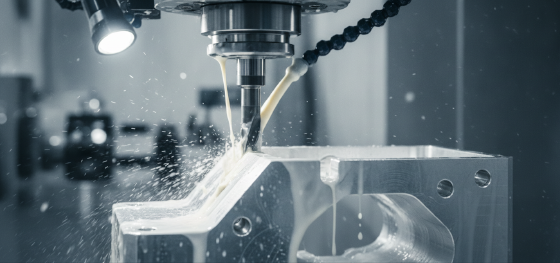
Why does high-precision clinical hardware require secondary subtractive milling after casting?
Because raw metal injections naturally shrink during cooling, making 5-axis CNC machining mandatory to cut watertight O-ring grooves and precise mounting threads.
Slicing raw components to microscopic tolerances is a core specialty of our facility. We combine high-speed metal injection with custom subtractive milling, allowing you to bypass the assembly errors common in multi-vendor supply chains.
Planning for these secondary operations ensures your final medical die casting assemblies align perfectly. We leave a microscopic layer of sacrificial metal on the mating faces, ensuring the cutters have enough material to shave flat.
Surface Protection: Surviving Harsh Chemical Sterilization
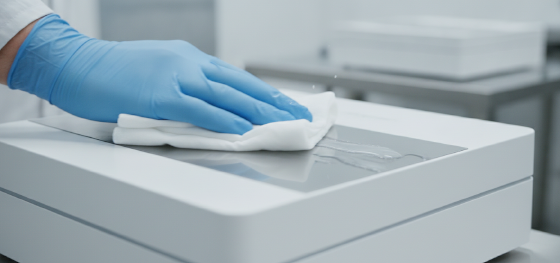
Comparing raw numbers from different suppliers is a massive waste of time. The comparison table below outlines how custom surface finishes can protect your clinical hardware from corrosive medical chemicals.
| Surface Treatment | Chemical Resistance Level | Best Aerospace Application |
|---|---|---|
| Raw Bare Aluminum | Poor (Pits and corrodes rapidly) | Internal sealed electronics components only. |
| Hard Anodizing | Good (Type III provides ceramic-like wear resistance) | Standard medical monitor housings. |
| Epoxy Powder Coating | Ultimate (Resists aggressive bleach and sanitizing fluids) | Heavy-lift medical carts and brackets. |
Nurses aggressively scrub medical equipment with highly corrosive bleach and alcohol wipes daily. If you use untreated alloys, the chemicals will pit and rot the metal, creating dangerous pockets where bacteria multiply.
Coating these components with electrostatic powder or hard oxide films creates an impenetrable barrier. Our factory applies these high-adhesion materials directly over chemically pre-treated metal, guaranteeing the aesthetic finish never chips or flakes off.
Turnkey Medical Sourcing: Partnering with JC Rapid
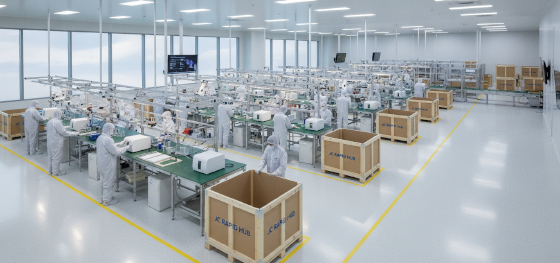
Shipping raw castings to separate machine and paint shops increases your shipping costs, lead times, and scrap rates through constant handling. Fragmented supply chains inevitably result in scratched surfaces and compromised watertight seals.
Operating our massive turnkey precision hub completely eliminates this logistical friction. JC Rapid houses the injection presses, CNC bays, and dust-free paint booths under one integrated roof, delivering fully finished, compliant hardware.
Stop risking your medical launch on poor material decisions and late shipments. Send your complex CAD files to our engineering team today. We will run a complete, manual DFM flow analysis and deliver an extremely precise, guaranteed manual quote within twenty-four hours.
FAQ: Honest Answers About Amortization and Scrap

Does the complexity of the internal gating system increase my medical die casting cost?
Yes, complex runner channels consume more raw metal per shot. We design highly optimized gating paths to minimize excess scrap metal, keeping your material waste exceptionally low.
Can I run zinc and aluminum through the exact same steel mold?
No. Because different metals shrink and contract at completely different rates, pouring aluminum into a mold designed for zinc will result in parts that fail to meet your dimensional tolerances.
Do you charge extra fees for mandatory Material Test Reports?
Providing complete chemical certifications (CoA) and RoHS compliance certificates with every single delivery is our standard practice, included entirely free of charge.
How long does an expensive steel mold last when running aluminum?
Because aluminum melts at high temperatures, the **H13 tool steel** suffers from thermal fatigue, typically limiting the mold's reliable lifespan to roughly 100,000 shots.

