


Evaluating the right tooling path for high-volume hole creation is a critical step in hardware manufacturing. When your design requires dozens of repetitive holes or specialized forms, opting for sheet metal punching is often the most cost-effective solution. This process relies on heavy mechanical force to shear through raw plates, producing consistent, highly repeatable features at a fraction of the operating cost of heat-based processes.
Struggling with slow cycle times and high part costs during the blanking phase can stall a product launch. Traditional drilling is far too slow, and burning through thousands of identical circular holes with a laser can rapidly inflate your manufacturing bill. Shifting to an automated press system completely bypasses these bottlenecks.
Balancing the initial setup labor against ongoing unit pricing is what separates profitable production runs from budget-draining projects. Let's examine how a modern turret press operates, dissect the specific formed features that only a punch can create, and learn how to optimize your designs to slash manufacturing expenses.
content:
What is Sheet Metal Punching?
Best Applications: Louvers, Dimples, and Perforated Holes
Why Punching is Faster for High-Volume Standard Features
Seamless Blanking Solutions at JUCHENG
FAQ: Critical Questions About Precision Sheet Metal Punching
What is Sheet Metal Punching?
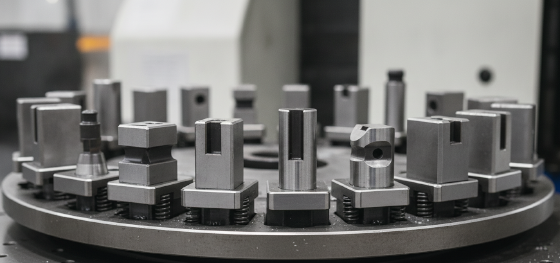
How does the sheet metal punching process work?
The process utilizes a heavy-duty mechanical or hydraulic actuator to drive a hardened steel punch through a metal plate and into a matching die, instantly shearing out a slug of metal that corresponds to the punch shape.
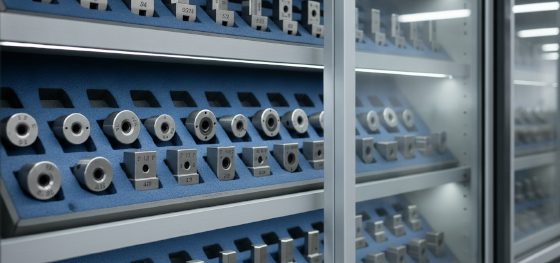
Modern factories execute this workflow using advanced CNC punching systems, commonly referred to as turret punch presses. These massive workstations feature a rotary carousel that houses dozens of different punch and die shapes. As the CNC machine moves the raw sheet across the worktable, the turret rapidly rotates to select the correct tool size, striking the sheet at speeds exceeding hundreds of hits per minute.
This physical shearing action subjects the raw plate to high shear stress. Designing proper clearance between the punch and the matching die is crucial to prevent edge burrs and prolong the service life of the tooling. The resulting part features a clean, slightly rolled top edge and a sheared bottom edge, making it structurally sound and ready for secondary processing.
Best Applications: Louvers, Dimples, and Perforated Holes
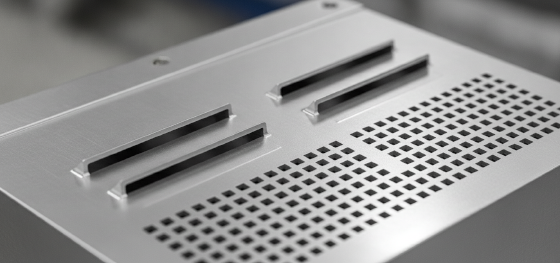
What are the unique formed features that can be punched into sheet metal?
A turret punch can create integrated three-dimensional features such as louvers for ventilation, dimples for structural stiffness, and perforated patterns that are expensive to produce via alternative cutting methods.
The true power of sheet metal punching is realized when you move beyond simple round holes. Unlike heat-based cutters, a turret press can perform progressive metal displacement without separating the material. For instance, creating ventilation louvers on electrical cabinets is completed in a single vertical stroke of a formed tool, which slices and bends the metal simultaneously to establish a protective, rain-proof vent.
Similarly, punching custom dimples or countersinks provides reliable mounting points for flush-head screws. High-density perforated grids, which are essential for EMI shielding and speaker grilles, can be stamped out rapidly using multi-pin tooling clusters. This eliminates the tedious, slow path of running a laser spot over thousands of tiny individual points.
Why Punching is Faster for High-Volume Standard Features
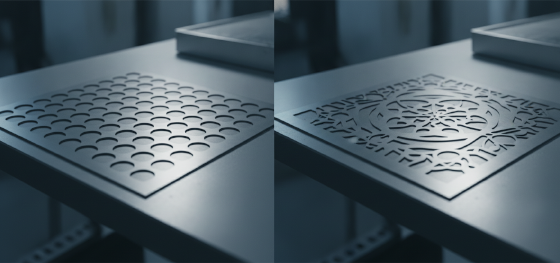
Why is mechanical punching more economical than laser cutting for production runs?
Mechanical punching completes a standard hole or complex formed feature in a single millisecond stroke, bypassing the slow, continuous path of a laser and drastically cutting machine run-time costs on high volumes.
Comparing sheet metal punching to alternative cutting methods like laser profiling reveals significant trade-offs in speed and cost. While a laser can cut virtually any custom shape without physical tooling, its unit cost remains constant because it must physically trace the perimeter of every single feature.
| Metric Details | Mechanical CNC Punching | CNC Laser Cutting |
|---|---|---|
| Upfront Setup Costs | Moderate (Requires tool loading) | Low (Direct software transfer) |
| Processing Speed (Holes) | Extremely Fast (Instant strikes) | Slow (Perimeter tracing) |
| Forming Capabilities | Yes (Louvers, dimples, ribs) | No (Flat profiles only) |
| Best Material Match | Aluminum and Soft Steels | All Metals (Any hardness) |
Seamless Blanking Solutions at JUCHENG
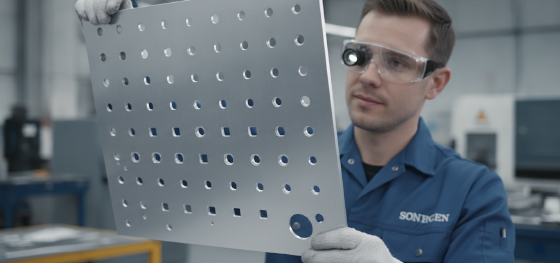
How does JUCHENG manage high-precision turret punching for custom projects?
We house advanced turret workstations with fully loaded carousel systems, matching custom die clearances to your material choices to ensure clean, burr-free edges.
As a critical blanking stage within the broader sheet metal fabrication process, CNC punching establishes the geometric foundation for all subsequent forming steps. JUCHENG integrates these powerful turret press systems into our comprehensive production lines. This allows us to rapidly move your designs from initial CAD unfolds to high-density formed parts with tight tolerances.
We manage a diverse inventory of materials to meet your specific application needs. Whether your assembly calls for lightweight aluminum, corrosion-resistant stainless steel, or highly formable carbon steel, our team will configure the optimal die clearances. We offer a 24-hour free DFM review, checking your flat patterns to eliminate tool collisions before we cycle our machines. Our no MOQ policy and rapid delivery cycles ensure that your prototyping runs receive the same high-precision execution as our high-volume production orders.
FAQ: Critical Questions About Precision Sheet Metal Punching
Can thick metals be processed on a standard turret press?
Turret punch presses are generally optimized for thin to medium gauges, typically processing metals from 0.5mm up to 6mm thick depending on the shear strength of the raw alloy. Slicing through thicker materials requires heavy stamp systems or laser profiling to prevent extreme tool wear.
How do you prevent metal plates from warping during dense punching runs?
High-density punching can introduce internal stresses that warp flat patterns. To prevent this, our CNC systems utilize progressive nesting paths to distribute the heat and shear force evenly across the raw plate. We also run dedicated leveling processes to ensure the finished parts remain flat and within tolerance.
Do custom punched features like louvers require specialized tooling purchases?
Not necessarily. We house an extensive in-house library of standard punch heads and forming die sets for various louvers, countersinks, and electrical knockouts. If your design utilizes standard industrial dimensions, we can bypass the NRE tooling expenses entirely.
What causes burrs on the exit side of a punched hole?
Burrs occur when the clearance gap between the punch and the die is worn or too large, causing the metal to stretch and tear rather than shear cleanly. Regular inspection of our tool steel heads and prompt sharpening cycles ensure that our die clearances remain tight, preventing exit-side burrs.

