


UV resin is a versatile, fast-curing material perfect for jewelry, coatings, and artistic projects. Unlike epoxy resin, which requires mixing and long drying times, UV resin hardens in minutes under UV or sunlight. Whether you're a beginner or an expert, understanding how to use UV resin correctly ensures glossy, bubble-free results every time.
What is UV Resin?
Essential Tools for Working with UV Resin
Step-by-Step Guide to Using UV Resin
Best Practices for UV Resin Projects
UV Resin vs. Epoxy Resin
Troubleshooting Common Issues
Creative UV Resin Project Ideas
What is UV Resin?
UV resin is a photopolymer that cures when exposed to ultraviolet (UV) light. It’s ideal for small, detailed projects because it doesn’t require mixing and sets quickly. Compared to epoxy resin, UV resin is less toxic, easier to control, and perfect for quick fixes. Many crafters prefer it for its clarity and minimal shrinkage.

Essential Tools for Working with UV Resin
Before starting, gather the right kit for success:
UV resin (high-quality brands yield the best results)
UV light (a 36W lamp or strong sunlight)
Silicone molds, mixing sticks, and gloves
A clean workspace with good ventilation
Step-by-Step Guide to Using UV Resin
1. Prepare Your Workspace
Work in a well-lit area near me (meaning easily accessible) with minimal dust. Cover surfaces with parchment paper to prevent sticking.
2. Pour or Apply the Resin
Slowly pour UV resin into molds or onto surfaces. Use a toothpick to spread it evenly and remove bubbles. Unlike epoxy, UV resin doesn’t need mixing, making it simpler for beginners.
3. Cure with UV Light
Expose the resin to a UV light for 2-5 minutes (depending on thickness). Sunlight works but takes longer. For deep layers, cure in stages to avoid sticky spots.
4. Finishing Touches
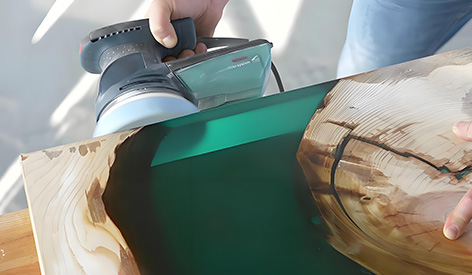
Once fully cured, sand any rough edges and polish for a glossy finish. UV resin doesn’t yellow easily, maintaining clarity over time.
Best Practices for UV Resin Projects
Use thin layers for faster curing.
Avoid touching uncured resin—wear gloves.
Store resin in a cool, dark place to prevent premature curing.
For best results, invest in a high-intensity UV lamp.
UV Resin vs. Epoxy Resin
While epoxy resin is better for large projects, UV resin excels in speed and convenience. Epoxy requires precise mixing and 24+ hours to cure, whereas UV resin hardens without lengthy wait times.
Troubleshooting Common Issues
Sticky Resin? Cure longer or use a stronger UV light.
Bubbles? Pop them with a heat gun or toothpick before curing.
Cloudy Finish? Ensure the workspace is dust-free before pouring.
Creative UV Resin Project Ideas
Jewelry (pendants, earrings)
Coating artwork or photos
DIY keychains and charms
Sealing decorative stones
UV resin is a game-changer for crafters who want professional results without the hassle of traditional resins. With the right light, techniques, and a little practice, you can create stunning pieces effortlessly. Start with a small kit and experiment—your next masterpiece is just a cure away!

