


Have you ever seen a fancy iron fence, a strong bridge, or a cool metal sculpture? These things are often made from something called "wrought metals." That's a tricky word, but it's easy to understand. It basically means metal that has been worked on, like when you shape clay with your hands. People have been making things this way for thousands of years! Let's learn all about these strong and useful materials.
content:
What Are Wrought Metals?
Types and Varieties of Wrought Metals
Common Forms and Industrial Products
Comparing Wrought Wire and Cast Metal
Applications in Modern Contexts
What Are Wrought Metals?
Wrought metals are materials that have been shaped through mechanical processes such as forging, rolling, hammering, or drawing, rather than being cast from molten metal. This working method refines the metal's grain structure, resulting in enhanced strength, ductility, and resistance to fatigue. Unlike cast metals, which can exhibit inconsistencies due to solidification, wrought metals offer uniformity and reliability. Common examples include wrought iron,wrought aluminum alloys, and copper-based materials. Understanding what wrought metals are is fundamental to appreciating their widespread use in sectors like automotive manufacturing, aerospace, and architectural design. They represent a category of metals that balance form and function, often chosen for applications where precision and longevity are critical.
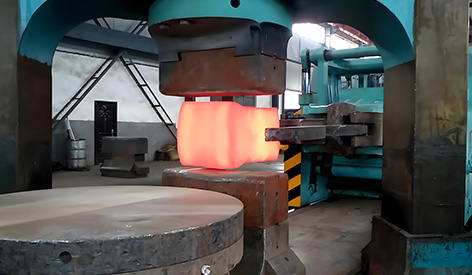
Types and Varieties of Wrought Metals
The diversity of wrought metals is evident in their various forms and compositions. Metal wrought iron, for instance, is a classic example known for its low carbon content and exceptional corrosion resistance. Historically used in bridges and railways, it remains popular for its rustic appeal and structural integrity. Wrought metal alloys, such as those incorporating aluminum or titanium, are engineered to meet specific performance criteria, including high strength-to-weight ratios and thermal stability. These alloys are frequently utilized in automotive components and consumer electronics. Additionally, wrought base metal alloys, which involve non-precious metals like zinc, nickel, or brass, provide cost-effective solutions for industrial machinery and household items. Their adaptability allows for customization in manufacturing, ensuring they meet rigorous standards while remaining economical.
Common Forms and Industrial Products
Wrought metals are available in numerous shapes and products tailored to diverse applications. Wrought iron sheet metal, produced through rolling processes, offers a flat, versatile material ideal for roofing, cladding, and automotive body panels. Its formability and resistance to environmental factors make it a staple in construction. Another notable form is wrought wire, which is created by drawing metal through dies to achieve precise diameters and tensile strengths. This product is essential in fencing, electrical wiring, and artistic sculptures. In the realm of custom fabrication, items like custom metal arbors wrought iron showcase the material's blend of functionality and elegance. These arbors, often used in landscaping and garden design, provide sturdy supports for climbing plants while enhancing outdoor aesthetics. Similarly, wrought iron metal decor includes ornamental pieces such as gates, lanterns, and furniture, which combine artistic craftsmanship with enduring quality. These products highlight how wrought metals bridge the gap between industrial utility and decorative appeal.
Comparing Wrought Wire and Cast Metal
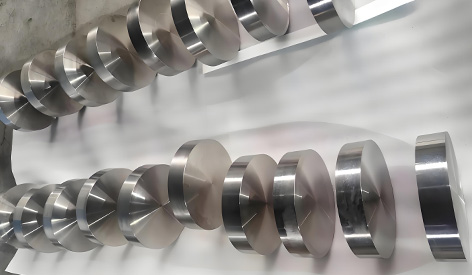
How is shaping metal different from pouring it? Let's compare wrought wire vs cast metal.
Making wrought wire is like pulling taffy. You start with a thick piece and pull it to make it longer and thinner. This makes the metal very strong all the way through.
Making cast metal is more like making a Jell-O mold. You melt the metal until it's a liquid, then pour it into a container with a special shape. When it cools down and becomes solid, you have your object. This is great for making very detailed shapes, like a metal statue of a dragon. But sometimes, tiny bubbles can get trapped, making it a little less strong than wrought metal for some jobs. So, if you need something really tough and bendy, like a spring, you'd use wrought metal.
Applications in Modern Contexts
You can find these materials all around you!
In the Garden: That custom metal arbors wrought iron is a perfect example. It’s both beautiful and strong enough to stand up to rain and wind.
As Art: Wrought iron metal decor is everywhere, from the headboard of a bed to a cool sculpture in a park.
In Buildings: That strong wrought iron sheet metal might be part of an old building's roof or walls.
In Everyday Stuff: Things made from wrought base metal alloys are all around us, like the zipper on your backpack or the parts inside a doorknob.
In conclusion, wrought metals represent a dynamic and essential category of materials that have evolved through centuries of innovation. From the foundational understanding of what wrought metals are to the specific attributes of metal wrought iron and wrought metal alloys, these materials offer a blend of strength, versatility, and beauty. The comparison between wrought wire and cast metal highlights the importance of selecting the right manufacturing technique for each application. As industries continue to advance, wrought metals will undoubtedly remain at the forefront, driving progress in construction, design, and technology.

