


Anodized aluminum is a cornerstone material in modern manufacturing, prized for its durability, corrosion resistance, and aesthetic versatility. The process of anodizing involves electrochemically thickening the natural oxide layer on aluminum, creating a surface that is exceptionally hard and receptive to dyes. This transformative treatment allows aluminum to be endowed with a spectrum of colors and finishes, making it indispensable in industries ranging from aerospace to consumer electronics. This article delves into the technical aspects of the anodizing process, explores the characteristics of various colored and clear finishes, and examines their practical applications, providing a comprehensive overview for engineers, designers, and manufacturers.
The Science of the Anodizing Process
A Spectrum of Finishes: From Clear to Colorful
Practical Applications Across Industries
Benefits and Key Considerations
The Science of the Anodizing Process
At its core, anodizing is a controlled oxidation process. The aluminum part acts as the anode in an electrolytic cell, typically filled with a sulfuric acid solution. When an electric current is applied, oxygen ions are released and combine with the aluminum atoms on the surface, forming a robust and porous aluminum oxide layer. This layer is integral to the material itself, meaning it won't peel or chip like a paint or plating. The key to the vibrant anodized aluminum colors lies in this porous structure. After the anodizing layer is formed, the part is immersed in a dye bath. The pores absorb the dye, and a subsequent sealing process, often using hot water or steam, hydrates the oxide layer, trapping the colorant permanently and closing the pores to lock in the hue and enhance corrosion resistance. This fundamental process is what enables the creation of everything from a subtle clear anodized aluminum to a bold anodized red aluminum.
A Spectrum of Finishes: From Clear to Colorful
The versatility of anodized aluminum is best illustrated by its wide range of available finishes. Each type offers distinct aesthetic and functional properties, catering to diverse design requirements.
Clear Anodized Aluminum is one of the most common and sought-after finishes. It provides the full protective benefits of the anodizing process—increased surface hardness and excellent corrosion resistance—while maintaining the natural, silvery metallic appearance of the underlying aluminum. This finish is ideal for applications where the inherent look of metal is desired without additional color, offering a durable, transparent shield against wear and environmental factors.
Moving into the realm of colored finishes, the bronze anodized finish offers a warm, sophisticated aesthetic. Achieved through specific dye formulations or by manipulating the alloy composition and process conditions, this finish mimics the look of aged bronze or copper. It is particularly popular in architectural applications for window frames, building facades, and decorative elements, where it provides a classic, timeless appeal alongside long-term weatherability.
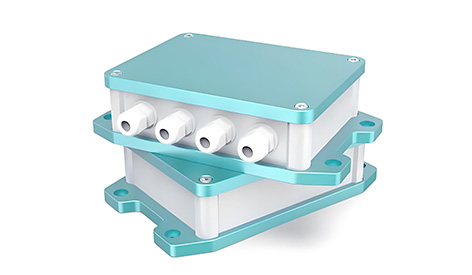
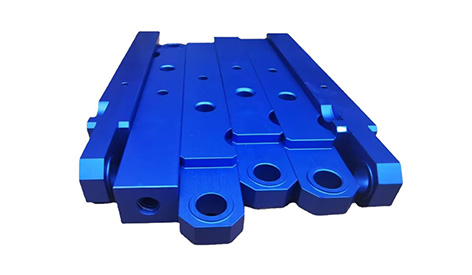
For a cooler, more modern tone, blue anodized aluminum is a frequent choice. This vibrant color is used extensively in consumer products, from sporting goods like water bottles and bicycle components to electronic device casings. The color penetration is uniform, and when properly sealed, the blue hue remains stable under UV exposure, ensuring the product retains its visual appeal over time.
When a product demands high visibility or a striking appearance, anodized red aluminum is often selected. The process for achieving a consistent and deep red can be technically demanding, as it requires precise control over dye concentration and sealing parameters. This finish is commonly found in safety equipment, automotive detailing, and high-end consumer electronics, where it serves as a bold design statement.
A more niche but increasingly popular option is white anodized aluminum. Achieving a true, opaque white is challenging with traditional dye methods, as the porous layer is naturally translucent. Advanced techniques, including two-step anodizing or the use of specialized pigmented dyes, are often employed. This finish is valued in applications requiring a bright, clean look, such as medical equipment, laboratory instruments, and modern lighting fixtures, where it combines a sterile appearance with easy cleanability.
Finally, the gold anodized finish provides a luxurious and premium appearance without the high cost of actual gold plating. This finish is achieved using organic dyes that produce a range of gold tones, from pale champagne to a rich, deep gold. It is widely used in the jewelry industry for watch cases, in high-end door and cabinet hardware, and for decorative trim in automotive and aerospace interiors, offering a look of elegance coupled with the practical benefits of anodization.
Practical Applications Across Industries
The diverse palette of anodized aluminum finishes enables its use in a vast array of sectors. In architecture and construction, finishes like the bronze anodized finish and clear anodized aluminum are used for curtain walls, roofing, and structural components, providing longevity and minimal maintenance. The automotive industry leverages colored anodizing for both interior and exterior parts, such as trim, grilles, and engine components, where blue anodized aluminum or gold anodized aluminum can enhance brand identity and visual appeal.
In consumer electronics, the demand for durable and aesthetically pleasing casings has made anodized aluminum the material of choice. The hard, scratch-resistant surface protects devices from daily wear, while the array of colors, including anodized red aluminum and white anodized aluminum, allows for product differentiation and a premium feel. The aerospace sector relies on anodized parts for their excellent strength-to-weight ratio and corrosion resistance, with specific colors sometimes used for coding or identification purposes.

Benefits and Key Considerations
The primary benefits of anodizing are undeniable. It significantly enhances corrosion resistance, making aluminum suitable for harsh environments. The surface hardness is greatly increased, improving abrasion resistance. The color is not a surface coating but is embedded within the oxide layer, making it extremely durable and fade-resistant. Furthermore, the process is environmentally friendly compared to many plating alternatives, as it uses water-based chemistry and produces no harmful VOCs.
The world of anodized aluminum colors is a testament to the material's incredible adaptability. From the understated protection of clear anodized aluminum to the vibrant statements made by blue anodized aluminum and anodized red aluminum, and the elegant tones of gold anodized aluminum and bronze anodized finish, this process offers a perfect marriage of form and function. Even the challenging white anodized aluminum finish demonstrates the ongoing innovation in this field.

