


Ethylene-Vinyl Acetate (EVA) is a versatile copolymer known for its flexibility, durability, and lightweight properties. Widely used in industries ranging from footwear to packaging, EVA material offers excellent shock absorption, weather resistance, and ease of processing. Unlike traditional plastics, EVA is softer, more elastic, and often used as a safer alternative due to its low toxicity. This article explores EVA’s characteristics, compares it with other materials like foam, plastic, PVC, and PU, and examines its waterproof capabilities and overall benefits.
EVA vs. Foam: Key Differences
EVA and Plastic: A Safer Alternative?
Is EVA Toxic? Safety Considerations
EVA vs. PVC: Which Is Better?
Waterproof Properties of EVA
EVA vs. PU: Performance Comparison
Why EVA Is a Good Material Choice
EVA vs. Foam: Key Differences
While EVA is sometimes categorized as a foam material, it differs significantly from conventional foams like polyurethane (PU) or polystyrene. EVA foam is a closed-cell structure, making it more water-resistant and durable compared to open-cell foams. It provides better cushioning and thermal insulation, which is why it’s commonly used in sports equipment, yoga mats, and protective padding. Unlike standard foam, EVA retains its shape under pressure and resists degradation from UV exposure.
EVA and Plastic: A Safer Alternative?
Many plastics contain harmful chemicals like BPA or phthalates, raising concerns about toxicity. EVA, however, is generally considered non-toxic and free from these hazardous additives. This makes it a preferred choice for children’s toys, baby products, and medical devices. Unlike rigid plastics, EVA is pliable and can be easily molded into various forms without losing structural integrity. Its combination of softness and strength bridges the gap between rubber and hard plastics.
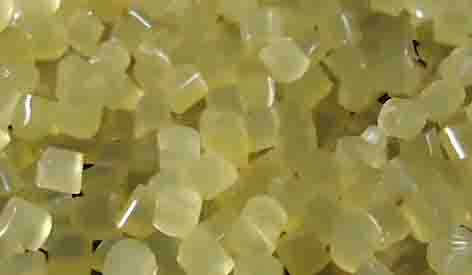
Is EVA Toxic? Safety Considerations
One of the biggest advantages of EVA is its low toxicity. Unlike PVC, which releases chlorine-based chemicals when heated, EVA does not emit harmful fumes during production or use. It is also recyclable, reducing environmental impact. However, some lower-quality EVA products may contain fillers or additives that could pose risks, so it’s essential to source EVA from reputable manufacturers. Overall, EVA is considered a safer material for both consumers and the environment.
EVA vs. PVC: Which Is Better?
PVC (Polyvinyl Chloride) has been a popular material for decades, but EVA is increasingly replacing it in many applications. Unlike PVC, EVA does not require plasticizers to remain flexible, eliminating concerns about leaching chemicals. EVA is also lighter and more resistant to cracking in cold temperatures. While PVC is cheaper, EVA offers superior comfort and elasticity, making it ideal for footwear, sports gear, and waterproof coatings.
Waterproof Properties of EVA
EVA’s closed-cell structure makes it naturally waterproof, preventing moisture absorption. This property is particularly useful in marine applications, outdoor equipment, and footwear. Unlike absorbent foams, EVA does not retain water, reducing the risk of mold and bacterial growth. Its resistance to water and chemicals also makes it a reliable choice for industrial gaskets and seals.
EVA vs. PU: Performance Comparison
Polyurethane (PU) is another flexible material often compared to EVA. While PU offers excellent abrasion resistance, EVA provides better cushioning and shock absorption. PU tends to be heavier and less breathable, whereas EVA is lightweight and allows for better airflow. In footwear, EVA midsoles are preferred for running shoes due to their energy-returning properties, while PU is often used in rugged work boots for durability.

Why EVA Is a Good Material Choice
EVA’s versatility makes it an excellent material for various industries. Its combination of softness, strength, and safety makes it ideal for consumer products. Additionally, EVA is easy to clean, resistant to oils and chemicals, and can be manufactured in different densities to suit specific needs. Whether used in sports gear, medical padding, or waterproof coatings, EVA delivers consistent performance without the drawbacks of more toxic alternatives.
EVA material stands out as a high-performance, eco-friendly alternative to traditional plastics and foams. Its non-toxic nature, waterproof capabilities, and superior cushioning make it a preferred choice for manufacturers and consumers alike. While materials like PVC and PU have their uses, EVA’s balanced properties ensure it remains a top contender in multiple industries. As demand for safer, more sustainable materials grows, EVA’s popularity is set to increase even further.

