


Die casting is a versatile manufacturing process widely used across industries to produce complex, high-precision metal components with excellent surface finishes and dimensional accuracy. It involves forcing molten metal under pressure into a mold cavity, which is typically made of steel. This technique is favored for its ability to create intricate shapes at high production rates, making it a cornerstone in modern manufacturing. Among the various die casting methods, high pressure die casting stands out due to its efficiency and capability to handle large volumes. This article delves into the intricacies of die casting, covering key aspects such as design principles, material choices, applications, and specialized techniques like vacuum high pressure die casting and prototyping. By exploring these elements, we aim to provide a comprehensive understanding of how this technology drives innovation and meets diverse industrial demands.
content:
What is High Pressure Die Casting?
Planning the Shape: Die Casting Design
What Kind of Metal Do We Use?
Where Do We See Die Casted Parts?
The Magic Mold: The High Pressure Die Casting Die
The Good and The Bad: High Pressure Die Casting Advantages and Disadvantages
An Even Better Way: Vacuum High Pressure Die Casting
Making a Test Version: High-Pressure Die-Casting of Prototypes
Let's Review
What is High Pressure Die Casting?
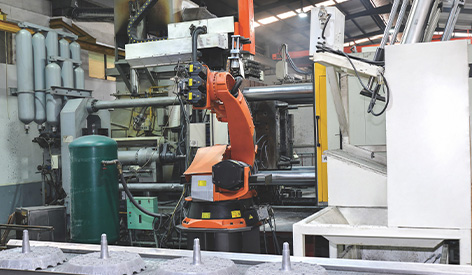
Let's break down high pressure die casting. The name tells you a lot! "High pressure" means we use a huge amount of force. "Die" is just a fancy word for the reusable metal mold, like a cookie cutter, but for metal. "Casting" means pouring liquid to make a shape.
So, imagine you have a syringe filled with melted metal. You push the plunger incredibly hard and fast, forcing the metal into every tiny corner of the mold. This is exactly what high pressure die casting does. It's perfect for making millions of the same part, like the metal frame for a smartphone, because it's so fast and accurate.
Planning the Shape: Die Casting Design
Before we make anything, we need to design it. Die casting design is like drawing the perfect plan for a treehouse. You have to think about:
Wall Thickness: You don't want some walls super thick and others super thin, just like you wouldn't use a huge log for one wall of your treehouse and a twig for another. Keeping it even makes the part strong.
Draft Angles: This means making the walls of the part slightly slanted. Why? So the metal part can pop out of the mold easily, like taking a sandcastle out of a bucket. If the sides were straight up and down, it would get stuck!
Making it Flow: The design has to help the liquid metal flow smoothly into the mold, without getting stuck or creating bubbles.
Good design is like a good recipe—it makes sure everything turns out perfectly.
What Kind of Metal Do We Use?
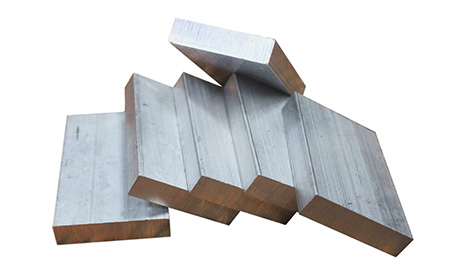
You can't use just any metal for die casting materials. We usually use metals that melt easily and aren't too heavy. The most popular ones are:
Aluminum: This metal is lightweight and strong. It's like the metal version of a strong, light bike frame. It's used for car parts and lots of other things.
Zinc: This metal is really good at making parts with super fine details and a smooth surface. It's often used for cool model cars and door handles.
Magnesium: This is the lightest of them all! It's great for things that need to be extra light, like some laptop cases.
Where Do We See Die Casted Parts?
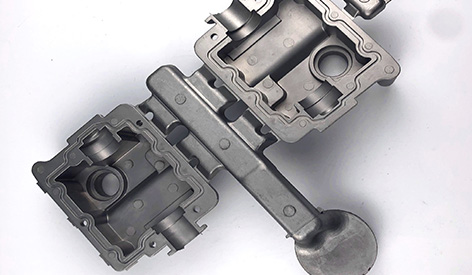
Die casting applications are everywhere! Look around you.
In a Car: Lots of parts under the hood and inside the car are made this way.
In Your Home: Your laptop, your game console, and even some parts of your TV have die-cast metal inside.
In Toys: Many of your favorite metal action figures or toy cars are made using this process.
It's a super useful way to make strong, complex parts for almost anything you can think of.
The Magic Mold: The High Pressure Die Casting Die
The high pressure die casting die is the most important tool. It's the "cookie cutter" we talked about earlier, but it's made of super-strong, hardened steel so it doesn't melt from the hot metal. This die has two halves that clamp together to form a hollow space—that's the shape of the part we want.
Because we shoot metal into it so hard and so many times, this die has to be incredibly tough. Taking care of it is a big job!
The Good and The Bad: High Pressure Die Casting Advantages and Disadvantages
Like anything, this method has its pros and cons.
The Good Stuff (Advantages):
Super Fast: It can make parts really, really quickly.
Great Detail: It can create shapes with lots of tiny details and smooth surfaces.
Very Little Waste: Almost all the metal you use becomes part of the product.
The Not-So-Good Stuff (Disadvantages):
Expensive Start-Up: Making the steel die costs a lot of money at the beginning.
Only for Big Batches: Because the die is so expensive, you need to make thousands of parts to make it worth the cost. It's not good for making just a few.
Can Have Bubbles: Sometimes, tiny air bubbles can get trapped in the metal, which can make the part weaker.
An Even Better Way: Vacuum High Pressure Die Casting
How do we solve the air bubble problem? Scientists created a cool upgrade called vacuum high pressure die casting. "Vacuum" means sucking all the air out.
Before the metal is injected, a machine sucks the air out of the mold, just like a vacuum cleaner. With no air inside, the metal fills the space without trapping bubbles. This makes the parts even stronger and better! It's used for important parts, like pieces of a car that keep you safe.
Making a Test Version: High-Pressure Die-Casting of Prototypes
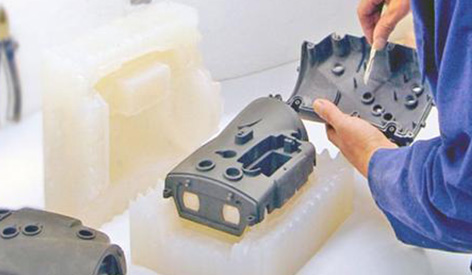
What if a company wants to test a new part before making a million of them? They use high-pressure die-casting of prototypes. A prototype is just a fancy word for a first-ever model or a sample.
They might make a simpler, cheaper mold to create a few test parts. This lets them check if the design is good, if it's strong enough, and if it works correctly. It's like baking one cookie first to taste-test it before you bake the whole batch for a party!
Let's Review
So, high pressure die casting is an amazing way to make millions of identical, detailed metal parts quickly. It all starts with a smart die casting design and choosing the right die casting materials, like aluminum or zinc. You can find these parts in all sorts of die casting applications, from cars to electronics.
The powerful high pressure die casting die is the star of the show, and while the process has some high pressure die casting advantages and disadvantages, improvements like vacuum high pressure die casting make it even better. And with high-pressure die-casting of prototypes, companies can test their ideas before going big.

