


Metal milling is a fundamental machining process that involves removing material from a workpiece using rotary cutters to shape and finish metal parts. This subtractive manufacturing technique is widely used in industries such as aerospace, automotive, and toolmaking to produce high-precision components. From large-scale industrial applications to custom small-batch production, metal milling offers versatility and accuracy in crafting complex geometries.
content:
Precision CNC and Metal Milling
Understanding Metal Milling Machines
The Advantages of CNC Metal Milling
Metal Lathe Milling Machine: A Hybrid Solution
Mini Metal Milling Machine for Small-Scale Projects
Finding Metal Milling Services Near You
Custom Metal Milling for Unique Applications
Essential Tools: Metal Milling Bits
Milling Drill Bits for Metal: Versatility in Machining
Precision CNC and Metal Milling
Precision CNC (Computer Numerical Control) milling takes metal milling to the next level by automating the process with computer-guided machinery. CNC technology ensures repeatability, tight tolerances, and intricate detailing that manual milling cannot achieve. Industries requiring ultra-precise components, such as medical devices and aerospace engineering, rely heavily on CNC metal milling for flawless execution.
Understanding Metal Milling Machines
A metal milling machine is a power-driven tool designed to cut and shape metal workpieces. These machines come in various configurations, including vertical, horizontal, and multi-axis setups. Key components include a spindle that holds the cutting tool, a worktable for securing the material, and a control system (manual or CNC-operated) that dictates movement. Advanced milling machines can perform drilling, boring, and threading operations, making them indispensable in modern manufacturing.

The Advantages of CNC Metal Milling
CNC metal milling enhances productivity by automating tool paths, reducing human error, and enabling complex designs. Unlike manual milling, CNC machines can run continuously with minimal supervision, making them ideal for high-volume production. Additionally, CNC milling supports a wide range of materials, including aluminum, steel, titanium, and exotic alloys, ensuring adaptability across different industrial needs.
Metal Lathe Milling Machine: A Hybrid Solution
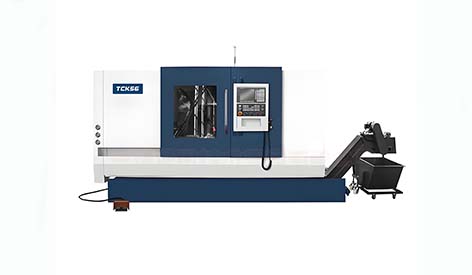
A metal lathe milling machine combines the functions of a lathe and a milling machine, allowing for turning and milling operations on a single platform. This hybrid setup is particularly useful for machining cylindrical parts that require both rotational and linear cutting. By integrating these capabilities, manufacturers save time and improve accuracy when producing shafts, gears, and other rotational components.
Mini Metal Milling Machine for Small-Scale Projects
For hobbyists, small workshops, and prototyping, a mini metal milling machine offers a compact yet powerful solution. These benchtop units are ideal for detailed work on smaller parts without sacrificing precision. Despite their reduced size, mini milling machines can handle materials like brass, copper, and mild steel, making them a favorite among DIY enthusiasts and small-scale manufacturers.
Finding Metal Milling Services Near You
Searching for "metal milling near me" yields local machine shops and fabrication services that provide custom milling solutions. Whether you need prototype development or full-scale production, partnering with a nearby milling service ensures faster turnaround times and easier communication. Many facilities also offer additional services like laser cutting, welding, and finishing for a complete manufacturing solution.
Custom Metal Milling for Unique Applications
Custom metal milling caters to specialized requirements that standard machining cannot fulfill. From bespoke automotive parts to intricate aerospace components, custom milling involves tailored toolpaths, unique material selections, and precise finishing techniques. Manufacturers often collaborate with engineers to optimize designs for machinability, ensuring cost-efficiency without compromising quality.
Essential Tools: Metal Milling Bits
The performance of a milling machine heavily depends on its metal milling bits, also known as end mills. These cutting tools come in various shapes—such as flat, ball-nose, and corner-radius—to accommodate different machining needs. High-speed steel (HSS) and carbide bits are common choices, with carbide offering superior durability for hard metals. Proper selection of milling bits ensures clean cuts, extended tool life, and efficient material removal.

Milling Drill Bits for Metal: Versatility in Machining
While milling bits are designed for lateral cutting, milling drill bits for metal combine drilling and milling functions. These specialized tools can plunge into material like a drill bit while also performing side-cutting operations. This dual capability reduces the need for tool changes, streamlining operations in both CNC and manual milling setups.
Metal milling remains a cornerstone of modern manufacturing, offering unmatched precision and flexibility. Whether using a high-end CNC mill, a compact benchtop unit, or outsourcing to a local shop, understanding the various aspects of milling ensures optimal results. By selecting the right machine, tools, and techniques, manufacturers can achieve superior finishes, tight tolerances, and cost-effective production for any metalworking project.

