


You have finalized your design. You attach the CAD file to an email or an online form. You click "send." What happens next?
For many product developers, this part of the process is a black box. You send your design into the void and, a week later, a part comes back. But the steps that happen inside the best prototyping companies during that week are what separate a successful prototype from a failed one.
This guide will take you inside that black box. It will show you the hidden work that turns your digital file into a high-quality physical object.
content:
The First Step: The Expert Review
The Sound of the Factory: Manufacturing Begins
The Most Important Step: The Quality Check
The Final Touches: It's Not Just a Part
The First Step: The Expert Review
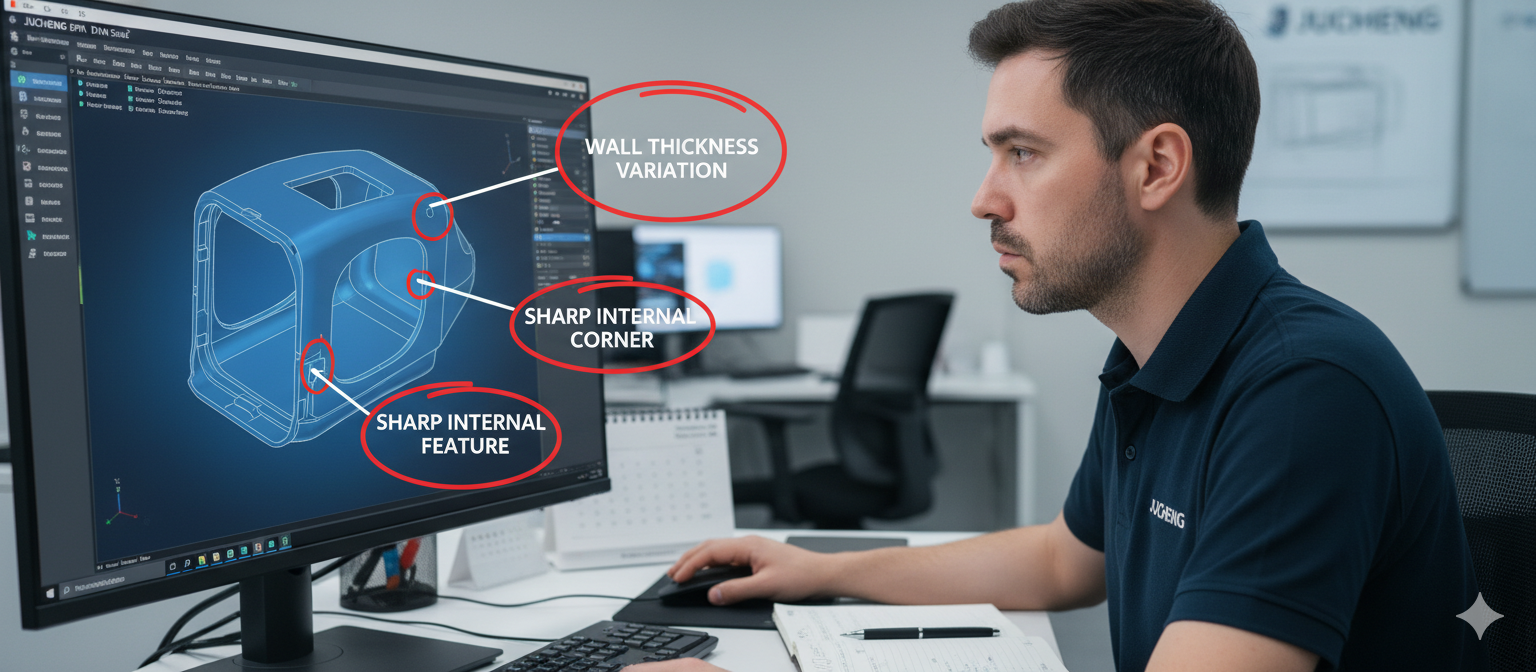
Before any machine is turned on, the most critical work begins. A team of experienced manufacturing engineers opens your file.
This is not a simple price check. This is a deep analysis of your design. It is called DFM, or Design for Manufacturability. The goal is to find any potential problems before they become expensive mistakes.
An engineer will look for walls that are too thin to be machined. They will look for sharp internal corners that a cutting tool cannot reach. They will look for features that might cause problems in molding or bending.
A good partner will then send you a detailed DFM report. It will not just point out problems. It will offer solutions. "We suggest adding a 1mm radius here to increase strength." "If we change this angle slightly, we can reduce the machine time by 20%."
This collaborative step is a hallmark of the best prototyping companies. It is a service that saves you money and results in a better final part.
The Sound of the Factory: Manufacturing Begins

Once the design is confirmed, your project moves to the factory floor. Here, your digital file is translated into machine code. This is where the real prototype manufacturing happens.
The specific process depends on your part. If it is a complex enclosure, it might go to a 5-axis CNC machining center. A block of aluminum is loaded, and the machine begins to carve your part with incredible precision.
If it is a flexible part, it might go to the vacuum casting department. If it is a large panel, it will go to the laser cutter and press brake.
A top-tier company has all of these technologies under one roof. This is a huge advantage. It means they have full control over the process. It also means they can choose the absolute best technology for each part of your project.
The Most Important Step: The Quality Check

After the part is made, it is not finished. Now it must pass the most important test. The quality inspection.
A dedicated quality control team takes over. They are separate from the production team. Their only job is to be your eyes in the factory.
They start with a visual check. They look for any surface flaws. Then they begin to measure. They use precision tools like digital calipers and micrometers to check key dimensions.
For the most critical features, they use a CMM (Coordinate Measuring Machine). This is a highly advanced, automated machine. Its probe can touch hundreds of points on your part. It compares these measurements directly to your original CAD file. It can detect errors that are smaller than a human hair.
Only parts that pass this rigorous inspection are allowed to move to the next step. This commitment to data-driven quality is what separates professional companies from simple shops.
The Final Touches: It's Not Just a Part
The final step is turning the inspected part into a finished product. This involves post-processing.
The part might go to the finishing department for painting or anodizing. It might go to the assembly department for hardware installation. It might get a silkscreened logo.
Once all these steps are complete, the part is inspected one last time. Then it is carefully packaged in custom foam and a sturdy box to ensure it arrives safely at your door.
So, what happens when you click "send"? A whole team of experts gets to work. They analyze, advise, manufacture, and inspect. This is the hidden process inside the best prototyping companies. It is a process built on partnership and a commitment to getting it right.

