


Spray painting has become a highly valued method in prototyping and manufacturing, particularly for handboard models and precision parts. Advances in paint formulas and application technology now make it easier than ever to achieve a smooth, durable, and visually attractive finish. Thanks to its efficiency and adaptability, spray painting is often the go-to choice for many applications. This article examines the techniques, materials, and innovations that make spray paint an excellent option for handboard factories looking for top-tier results.
content:
The Versatility of Spray Paint Finishes
Metal Spray Paint Finishes: Durability and Realism
Antique Spray Paint Finishes: Adding Character and Depth
Black Spray Paint Finishes: Elegance and Uniformity
Custom Finishes Inc Spray Paint: Tailored Solutions
Decorative Spray Paint Finishes: Creativity and Innovation
Different Spray Paint Finishes: Exploring the Spectrum
General Finishes Spray Paint: Reliability and Performance
Spray Paint Match: Precision in Color Reproduction
The Versatility of Spray Paint Finishes
Spray paint finishes offer an incredible range of possibilities, from smooth, glossy surfaces to textured and specialty effects. The key to a successful finish lies in proper surface preparation, including cleaning, sanding, and priming, followed by controlled application using high-quality spray equipment. Handboard factories benefit from spray paint’s ability to cover complex geometries and fine details uniformly, reducing the need for post-processing. With a focus on consistency and speed, spray painting is ideal for producing prototypes that require both visual appeal and functional durability.
Metal Spray Paint Finishes: Durability and Realism
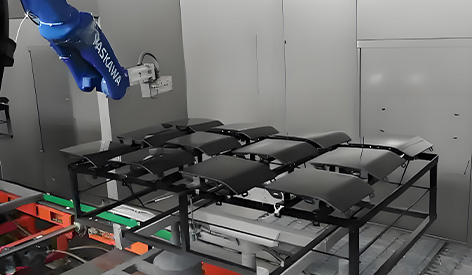
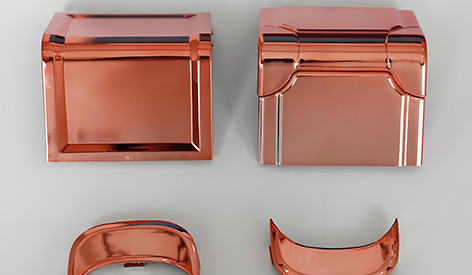
For prototypes that mimic metal components, metal spray paint finishes provide an excellent solution. These paints often contain metallic flakes or pigments that simulate the appearance of brushed aluminum, polished steel, or even copper. When applied with a high-volume low-pressure (HVLP) spray system, they can achieve a realistic metal look without the weight or cost of actual metal parts. Handboard factories use these finishes for automotive, aerospace, and consumer electronics prototypes where aesthetic authenticity is critical. Additionally, clear coats can be added to enhance durability and resistance to wear.
Antique Spray Paint Finishes: Adding Character and Depth
Antique spray paint finishes are perfect for prototypes that require a vintage or weathered look. Techniques such as layering contrasting colors, dry brushing, and using patina solutions can create effects like aged brass, rusted iron, or distressed wood. Handboard factories often employ these finishes for decorative products, historical replicas, or consumer goods aiming for a retro aesthetic. The flexibility of spray paint allows for precise control over the level of aging, ensuring that each piece meets the designer’s vision without compromising on repeatability.
Black Spray Paint Finishes: Elegance and Uniformity
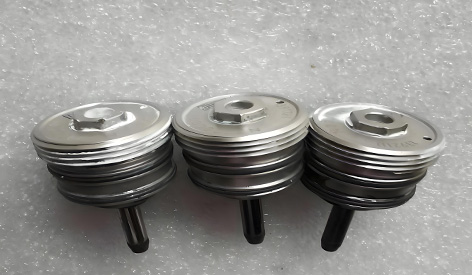
Black spray paint finishes are among the most demanding due to the color’s tendency to reveal imperfections. Achieving a deep, consistent black requires meticulous surface preparation and multiple thin coats to avoid runs or orange peel textures. Handboard factories leverage high-pigment-content paints and controlled environments to produce sleek, matte, or high-gloss black finishes that meet strict quality standards. These finishes are common in automotive, tech, and luxury goods prototypes, where a flawless surface is synonymous with quality.
Custom Finishes Inc Spray Paint: Tailored Solutions
Companies specializing in custom finishes inc spray paint offer handboard factories tailored solutions for unique project requirements. These providers develop proprietary paint formulas, color matches, and application techniques to achieve specific textures, effects, or performance characteristics. Whether it’s a heat-resistant coating for engine components or a UV-reactive finish for consumer electronics, custom spray paint services enable prototypes to closely resemble final products. Collaboration with these experts ensures that handboard models meet both aesthetic and functional benchmarks.
Decorative Spray Paint Finishes: Creativity and Innovation
Decorative spray paint finishes encompass a wide array of effects, including hammered textures, glitter, chrome, and candy coatings. These finishes are popular in consumer product prototyping, where visual appeal drives user engagement. Handboard factories utilize stencils, masks, and multi-stage spraying processes to create intricate designs and patterns. The adaptability of spray paint allows for rapid iteration, making it easier to test different decorative options during the design phase without significant time or cost investments.
Different Spray Paint Finishes: Exploring the Spectrum
The range of different spray paint finishes available today is vast, including options like matte, satin, semi-gloss, high-gloss, and specialty effects. Each finish has its own application techniques and best use cases. For instance, matte finishes are excellent for reducing glare on mechanical parts, while high-gloss finishes enhance color vibrancy for display models. Handboard factories must select the appropriate finish based on the prototype’s purpose, environmental conditions, and desired user experience. Understanding these options ensures optimal results for each project.
General Finishes Spray Paint: Reliability and Performance
Brands like General Finishes spray paint are renowned for their consistent quality and wide color selection. These products are engineered to provide excellent coverage, adhesion, and durability, making them a go-to choice for handboard factories. With formulations designed for various substrates—including plastic, metal, and wood—General Finishes and similar brands offer reliable solutions that streamline the prototyping process. Their paints are often low in VOCs and compatible with automated spraying systems, aligning with modern manufacturing standards.
Spray Paint Match: Precision in Color Reproduction
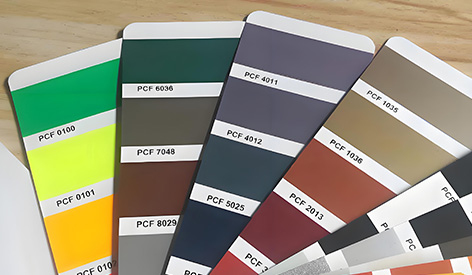
Achieving accurate color matching with spray paint is critical for prototypes that must align with brand guidelines or existing products. Spray paint match services use spectrophotometers and digital color systems to create custom paints that replicate specific hues. Handboard factories rely on these services to ensure consistency across multiple parts or production runs. Advanced spray systems with digital controls further enhance accuracy by regulating paint flow and pressure, minimizing variations between batches.
In conclusion, spray paint is a powerful tool for handboard factories aiming to produce high-quality prototypes with professional-grade finishes. From metal and antique effects to custom colors and decorative patterns, the versatility and efficiency of spray painting make it indispensable in modern prototyping. By embracing advanced techniques and partnering with specialized providers, manufacturers can achieve finishes that not only look impressive but also perform reliably under real-world conditions. As technology continues to evolve, spray paint will remain a key enabler of innovation in the prototyping industry.

