


Vacuum coating technology has revolutionized various industries by enabling precise, high-quality surface modifications. This advanced process involves depositing thin films of materials—such as metal, ceramics, or polymers—onto substrates under controlled vacuum conditions. The technology is widely adopted in commercial use due to its ability to enhance durability, conductivity, and aesthetic properties. With continuous advancements in machine design and deposition methods, vacuum coating has become indispensable in sectors ranging from aerospace to consumer electronics.
content:
The Science Behind Vacuum Coating
Powder Coating vs. Vacuum Deposition
Key Advantages of Vacuum Coating Technology
Industrial and Commercial Use Cases
Future Trends in Vacuum Coating
The Science Behind Vacuum Coating
Vacuum coating operates on the principle of physical or chemical vapor deposition (PVD or CVD) in a low-pressure environment. By removing air and other contaminants, the process ensures a clean, high-purity deposition. Metals like aluminum, titanium, and gold are commonly used due to their excellent adhesion and performance characteristics. The high precision of modern vacuum coating machines allows for uniform layer thickness, even on complex geometries.
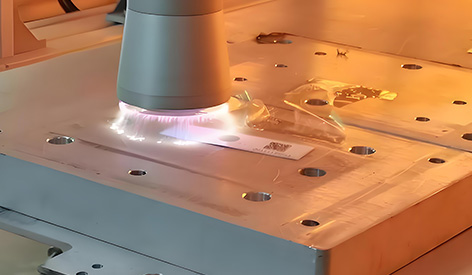
Powder Coating vs. Vacuum Deposition
While powder coating applies a dry, free-flowing powder electrostatically before curing it under heat, vacuum coating offers superior thin-film accuracy. Powder technology is cost-effective for large-scale applications but lacks the nanometer-level control achievable with vacuum deposition. For industries requiring ultra-thin, wear-resistant coatings—such as semiconductors or medical devices—vacuum coating remains the preferred choice.
Key Advantages of Vacuum Coating Technology
Enhanced Durability: The process creates coatings resistant to corrosion, abrasion, and extreme temperatures.
Superior Adhesion: Vacuum-deposited layers bond more effectively to substrates than traditional methods.
Eco-Friendly: Unlike wet coating processes, vacuum technology minimizes hazardous waste.
Versatility: Compatible with metals, alloys, and composite materials for diverse applications.

Industrial and Commercial Use Cases
Automotive: Vacuum-coated components improve engine efficiency and aesthetics.
Electronics: Thin films enable better conductivity in microchips and displays.
Packaging: Metal-deposited films extend shelf life by blocking oxygen and moisture.
Medical: Biocompatible coatings enhance implant performance and safety.
Future Trends in Vacuum Coating
Innovations in machine automation and deposition techniques are driving efficiency and reducing costs. Hybrid systems combining powder and vacuum technologies are emerging, offering the best of both worlds. As industries demand higher performance and sustainability, vacuum coating will continue to evolve, solidifying its role in advanced manufacturing.
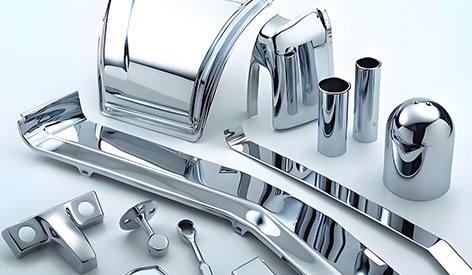
Vacuum coating represents the pinnacle of surface engineering, delivering unmatched precision and performance. From metal deposition to large-scale commercial use, this technology is reshaping modern industry. By leveraging high-tech machines and optimized processes, businesses can achieve superior product quality while meeting stringent environmental standards. The future of coating technology lies in further refining these methods to unlock new possibilities across sectors.

