


Aluminized steel is a specialized material that combines the strength of steel with the corrosion resistance of aluminum. This unique composite is created by coating carbon steel with an aluminum-silicon alloy through a hot-dip process, resulting in a product that excels in high-temperature and corrosive environments. In this article, we’ll explore the properties, manufacturing process, applications, and key comparisons—including aluminized steel vs stainless steel—while also touching on how industries like CNC machining West Midlands rely on this versatile material.
Understanding Aluminized Steel
Manufacturing Process
Applications of Aluminized Steel
Aluminized Steel vs Stainless Steel
Understanding Aluminized Steel
Aluminized steel consists of a steel substrate coated with a thin layer of aluminum, typically applied via a hot-dip method. The aluminum coating forms a metallurgical bond with the steel, creating a protective barrier against oxidation, moisture, and chemical exposure. There are two primary types of aluminized steel:
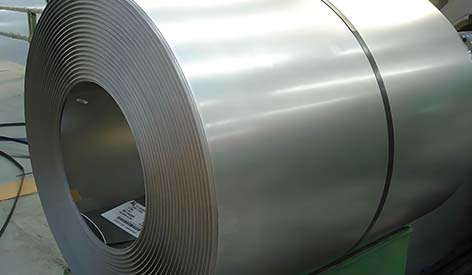
Type 1: Coated with pure aluminum, offering superior corrosion resistance.
Type 2: Coated with an aluminum-silicon alloy, providing better heat resistance, making it ideal for automotive and industrial applications.
Key Properties
Corrosion Resistance: The aluminum layer prevents rust and degradation, even in harsh environments.
Heat Resistance: Withstands temperatures up to 677°C (1,250°F), making it suitable for exhaust systems and heat exchangers.
Durability: Retains structural integrity while being lighter than many alternatives.
Cost-Effectiveness: More affordable than stainless steel while offering comparable protection in certain conditions.
Manufacturing Process
The production of aluminized steel involves several critical steps:
Cleaning: The steel is cleaned to remove impurities, ensuring proper adhesion.
Annealing: Heat treatment improves ductility and prepares the surface.
Hot-Dip Coating: The steel is immersed in molten aluminum or aluminum-silicon alloy.
Cooling & Finishing: The coated steel is cooled and processed for specific applications.
This process ensures a uniform, long-lasting coating that enhances the steel’s performance.
Applications of Aluminized Steel
Thanks to its durability and resistance properties, aluminized steel is widely used in:
Automotive Industry: Exhaust systems, mufflers, and tailpipes benefit from its heat and corrosion resistance.
HVAC Systems: Heat exchangers and ductwork utilize aluminized steel for longevity.
Construction: Roofing, siding, and structural components leverage its weather resistance.
Appliances: Ovens, grills, and chimneys rely on its ability to endure high temperatures.
For industries requiring precision fabrication, such as CNC machining West Midlands, aluminized steel is a preferred choice due to its machinability and protective qualities.
Aluminized Steel vs Stainless Steel
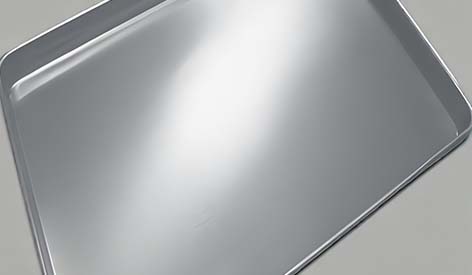
When deciding between aluminized steel and stainless steel, several factors come into play:
Corrosion Resistance: Stainless steel contains chromium, offering excellent rust resistance, but aluminized steel performs exceptionally well in high-heat scenarios.
Cost: Aluminized steel is more budget-friendly, making it ideal for large-scale projects.
Weight: Aluminized steel is lighter, beneficial for automotive and aerospace applications.
Temperature Tolerance: While stainless steel handles moderate heat, aluminized steel excels in extreme temperatures.
For applications like CNC machining West Midlands, where both precision and material performance matter, the choice depends on environmental exposure and budget constraints
Aluminized steel is a high-performance material that bridges the gap between affordability and durability. Its unique properties make it indispensable in automotive, construction, and manufacturing sectors. When comparing aluminized steel vs stainless steel, each has distinct advantages—aluminized steel shines in heat-intensive uses, while stainless steel offers broader corrosion resistance. For businesses like CNC machining West Midlands, selecting the right material ensures optimal performance and cost efficiency. Whether for industrial or consumer applications, aluminized steel remains a reliable and versatile solution.

