

Hardening vs Tempering Steel: Core Differences
Views: 2 Author: Allen Xiao Publish Time: 2025-08-28


Have you ever wondered how a metal paperclip can be bent easily, but a kitchen knife stays sharp and strong? The secret is heat! People heat and cool metal to change what it can do. They mainly use two processes: hardening and tempering.
Think of it like baking cookies. First, you bake the dough to make it solid (that's like hardening). But if you baked them too long, they'd be too hard and could break your tooth! So, you might take them out a little earlier to make them tough but still chewable (that's like tempering).
What is Hardening? (Making Steel Super Hard, But Brittle)
What is Tempering? (Trading Hardness for Toughness)
How Do We Use These Processes?
The Big Idea
What is Hardening? (Making Steel Super Hard, But Brittle)
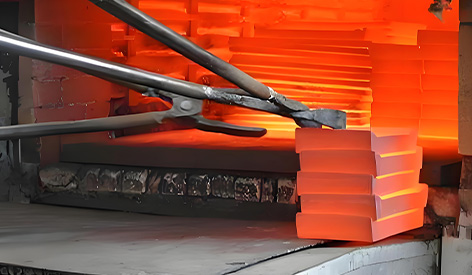
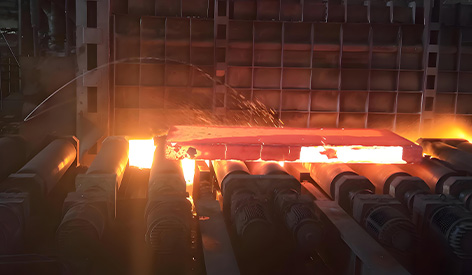
Hardening is all about making steel as hard as possible. Workers heat a piece of steel until it glows bright red, just like a lava rock! Then, they quickly cool it down by plunging it into water or oil. This sudden chill locks the steel's internal structure into a super-hard state.
There's a catch, though! Now the steel is also brittle. If you dropped it, it might shatter like glass!
This super-hard state is perfect for things that need a super sharp edge, like a knife. But it's not good for things that get hit, like a hammer. This first step makes the steel hard but too breakable.
What is Tempering? (Trading Hardness for Toughness)
Since hardened steel is too brittle, it needs a second step: tempering. This is the clever part that makes the steel useful.
The hardened steel is heated again, but this time to a much lower temperature. The worker carefully watches the metal change color. As it heats up, it turns from light yellow to blue, like a rainbow on the metal! Each color tells them how much toughness is being added.
Tempering trades a little bit of that extreme hardness for a lot of toughness. Toughness is the ability to bend or take a hit without breaking. So, the process of tempering and hardening steel together makes a material that is both strong and durable.
How Do We Use These Processes?
These two processes are used to make almost every strong metal object around you!
For Tools: Hardening and tempering tool steel is how we make strong screwdrivers and wrenches that don't snap when you use them.
For Springs: Have you ever played with a spring? Hardening and tempering spring steel gives it that perfect bounce, allowing it to be squished and stretched millions of times without breaking.
For High Carbon Steel: Things like knife blades are often made from hardening and tempering high carbon steel. The carbon makes the metal able to get even harder and hold a sharper edge.
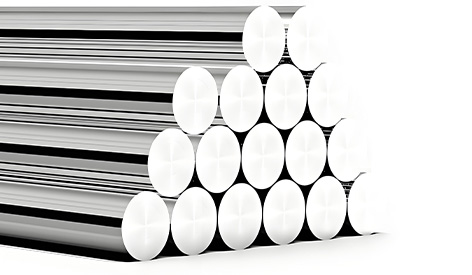
A Special Type: There’s even something called hardening and tempering silver steel (it has no real silver in it!). It's used for making precise parts in machines because it can be made very, very hard and keeps its shape.
The main way to harden steel is through hardening of steel by quenching and tempering. "Quenching" is just the fancy word for the quick cool-down in water or oil.
There are other processes too, like forging (shaping hot metal), annealing (softening metal to make it easier to cut), and more. The whole family of hardening tempering annealing and forging of steel gives us all the metal things we use every day.
The Big Idea
So, remember:
Hardening makes steel hard but brittle. It's like making glass.
Tempering makes the hardened steel tougher and less brittle. It's like wrapping that glass in protective tape.
Together, steel hardening and tempering is a superhero process that gives steel its amazing powers of strength and toughness!

ㆍPrivacy: We respect your privacy. Here you can find an example of a non-disclosure agreement. By submitting this form, you agree to our terms & conditions and privacy policy.
