


Stainless steel is a versatile material widely used in various industries due to its durability, corrosion resistance, and aesthetic appeal. Among the many grades available, 304 and 316 stainless steel are two of the most common types. Understanding the distinctions between them is crucial for selecting the right material for specific applications. This article provides a detailed comparison of 304 and 316 stainless steel, covering aspects such as strength, corrosion resistance, heat tolerance, and food-grade suitability. By exploring their differences and typical uses, we aim to help engineers, designers, and manufacturers make informed decisions based on project requirements.
Let's break down the difference between 304 and 316 stainless steel in a way that's super easy to understand.
content:
Meet the Super Metal: What is Stainless Steel?
What Makes Them Different? The Secret Ingredient!
Fighting Rust: The Corrosion Battle
Handling the Heat
Which One is in Your Kitchen? The Food Grade Question
Where Do We See Them in Action?
The Bottom Line: Which One is Better?
Meet the Super Metal: What is Stainless Steel?
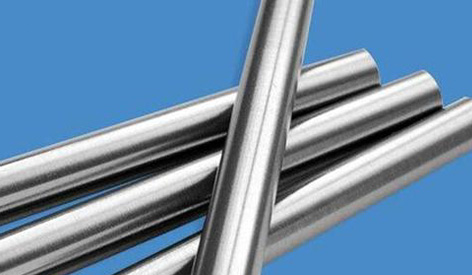
First, imagine a metal that fights off rust like a superhero. That's stainless steel! It stays shiny and doesn't corrode easily because it has special ingredients that form an invisible shield on its surface. This shield protects it from air and water. The two most common superheroes in the stainless steel family are 304 and 316.
What Makes Them Different? The Secret Ingredient!
So, what is the main 304 vs 316 stainless steel difference?
Both 304 and 316 are made mostly from iron, plus two other key metals: Chromium and Nickel. These two give stainless steel its rust-fighting power and strength.
But here's the big secret: 316 has an extra superhero ingredient called Molybdenum.
304 Stainless Steel: This is the everyday champion. It's strong, works well for most things, and is less expensive. You find it everywhere!
316 Stainless Steel: This is the super-strong version. The added molybdenum makes its invisible shield much tougher, especially against salty water and strong chemicals. Because of this extra ingredient, 316 usually costs a bit more.
Fighting Rust: The Corrosion Battle
When we talk about 304 vs 316 stainless steel corrosion resistance, it's all about how well they handle enemies like water and salt.
304 is great for most situations. It has no problem with rain, tap water, or spills in your kitchen. It's a rust-fighting pro for everyday life.
316 is the ultimate champion. Its special power (thanks to molybdenum) is fighting off salt. If you put 304 near ocean water or road salt, it might eventually get weak spots and rust. But 316 can handle it like a boss! This is why it's used on boats, in oceanside buildings, and in factories that use strong chemicals.
So, in the battle of stainless steel 304 vs 316 strength against rust, 316 is the clear winner for harsh, salty places.
Handling the Heat
What about 304 vs 316 stainless steel heat resistance? How do they act when things get really hot?
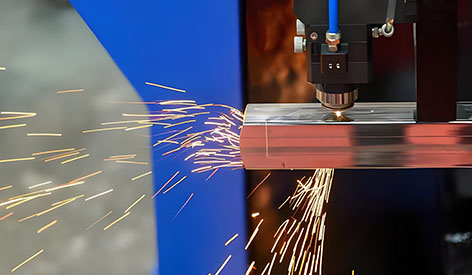
Both can handle high temperatures very well, like in a car's exhaust system or a BBQ grill. However, 316 can take a little more heat without getting weak. It's like the difference between a regular oven mitt and a super-duty one used by a professional baker. Both work, but one is built for tougher, longer-lasting heat.
Which One is in Your Kitchen? The Food Grade Question
Now for an important question: stainless steel 316 vs 304 food grade – which is safer for your food?
The great news is that both are perfectly safe for food! They are non-toxic, don't rust easily, and are simple to keep clean. This is why they are called "food grade."
304 is the most common metal you see in kitchens. Your refrigerator, sink, pots, pans, and utensils are likely made from 304. It handles everything from water to lemon juice without any problem.
316 is used when things get extra messy or salty. It's the top choice for professional seafood factories, commercial kitchens that use strong cleaning chemicals, and making machines for ketchup or mustard that have lots of vinegar. It's just a bit tougher for the toughest kitchen jobs.
Where Do We See Them in Action?
Let's look at some real-life applications of 316 stainless steel and where you'd find 304.
You'll find 304 Stainless Steel in:
Kitchen appliances (refrigerators, dishwashers)
Pots and pans
School water fountains
Decorative trim on buildings and furniture
You'll find 316 Stainless Steel in:
Marine (Ocean) Environments: Boat fittings, railings, and underwater parts.
Chemical Plants: Pipes and tanks that hold strong chemicals.
Medical Equipment: Some surgical tools and implants because it's very safe for the human body.
Coastal Buildings: Handrails and structures near the ocean that get sprayed with saltwater.

The Bottom Line: Which One is Better?
So, who wins the 304 vs 316 stainless steel showdown?
The answer is: it depends on the job!
Choose 304 for everyday, normal uses. It's the all-star you see all around you. It's affordable and does a fantastic job for 90% of situations.
Choose 316 for super tough, harsh environments. If the metal will be near saltwater, strong chemicals, or needs to be extra durable, 316 is the way to go.
In summary, the choice between 304 and 316 stainless steel hinges on specific requirements such as environment, budget, and performance expectations. The 304 vs 316 stainless steel difference primarily revolves around molybdenum content, which elevates 316's corrosion and heat resistance. While both grades offer similar strength and are food-safe, 316 is better suited for aggressive settings, including marine, chemical, and high-temperature applications. Understanding these nuances allows for informed material selection, ensuring safety, efficiency, and cost-effectiveness in various projects. As industries evolve, the demand for specialized grades like 316 may grow, highlighting the importance of continuous innovation in stainless steel technology.

