


Polishing is an essential process for restoring shine, removing imperfections, and protecting surfaces. Whether you're working on a car, metal, or even furniture, using the right polishing compound can make a significant difference in the final result. In this guide, we’ll explore how to properly use polishing compounds, the different types available, and the best techniques to achieve a flawless finish.
Understanding Polishing Compounds
Choosing the Right Polishing Pads
Protective Clothing and Safety Measures
Step-by-Step Polishing Process
Best Practices for Optimal Results
Understanding Polishing Compounds
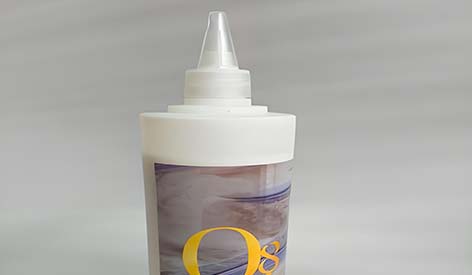
A compound is an abrasive material designed to remove scratches, oxidation, and other surface defects. It comes in various forms, including liquids, pastes, and sprays, each suited for different applications. Compounds are categorized by their abrasiveness—ranging from heavy-cut (for deep scratches) to fine-cut (for final polishing).
Choosing the Right Polishing Pads
The effectiveness of a polishing compound depends heavily on the pads used. Foam pads are the most common and come in different densities:
Cutting pads (aggressive, for heavy defects)
Polishing pads (medium, for refining surfaces)
Finishing pads (soft, for final gloss)
Using the wrong pad can lead to swirl marks or insufficient correction, so always match the pad to the compound’s abrasiveness.
Protective Clothing and Safety Measures
When working with polishing compounds, wearing appropriate clothing is crucial. Since polishing generates heat and fine particles, long sleeves, gloves, and safety goggles are recommended. Some compounds contain chemicals that can irritate the skin, so proper protection ensures a safe polishing process.
Step-by-Step Polishing Process
1. Clean the Surface Thoroughly
Before applying any compound, clean the surface to remove dirt, grease, and debris. Contaminants can mix with the compound, causing scratches instead of removing them. Use a degreaser or isopropyl alcohol for optimal preparation.
2. Apply the Compound
Depending on the product, you can apply the compound directly to the pad or the surface. A small amount is usually sufficient—over-application leads to excess splatter and wasted product.
3. Work in Sections
Divide the surface into manageable sections (about 2x2 feet for cars). This ensures even polishing and prevents the compound from drying before buffing.
4. Use the Correct Machine Speed
If using a polisher, start at a low speed (around 1,000 RPM) to spread the compound, then increase (to 1,800–2,500 RPM) for correction. Too much speed can burn the surface, while too little won’t remove defects effectively.

5. Buff to a Shine
Once the compound breaks down (turns translucent), reduce speed and lightly buff the area. This step enhances gloss and removes any leftover residue.
6. Wipe Off Excess Residue
After polishing, use a microfiber towel to remove any remaining compound. Inspect the surface under good lighting to check for missed spots or haze.
Best Practices for Optimal Results
To achieve the best results:
Work in a cool, shaded area—direct sunlight causes compounds to dry too quickly.
Use overlapping motions—this prevents uneven polishing.
Check progress frequently—stop once defects are removed to avoid over-polishing.
Follow up with a sealant or wax—this protects the polished surface and enhances longevity.
Polishing compounds are powerful tools for restoring and enhancing surfaces. By selecting the right compound, pads, and techniques, you can remove imperfections and achieve a mirror-like finish. Always prioritize safety with proper clothing and ensure the surface is clean before starting. With patience and the correct approach, you can master the art of polishing and maintain the best possible appearance for any project.

