


Have you ever wondered what some boats, water slides, or even parts of a swing set are made of? Chances are, it's a super-cool material called fiberglass! It's not exactly glass like a window, and it's not a cloth, but a mix that makes something really strong and useful. Let's dive in and learn all about it!
Imagine you're making a chocolate chip cookie, but instead of chocolate chips, you use tiny, super-strong glass strings. Then, instead of dough, you use a sticky glue that gets hard. That's kind of what fiberglass is like! The tiny glass strings give it strength, and the hardened glue (called resin) holds it all together. This mix is called a fiberglass composite, and it's what makes the material so tough.
content:
How Strong Is Fiberglass?
Fiberglass Tensile Strength
Fiberglass Strength in Composite Forms
Fiberglass Composite Applications
How Strong Is Fiberglass Compared to Steel?
Density of Fiberglass
Does Fiberglass Melt?
Fiberglass Properties Overview
Fibreglass Types and Their Characteristics
How Strong Is Fiberglass?
When evaluating the robustness of fiberglass, it's essential to consider its overall mechanical performance. Fiberglass exhibits remarkable strength, particularly in applications requiring resistance to impact and fatigue. The material's strength stems from the glass fibers, which are inherently strong but brittle on their own. When combined with a resin matrix, such as polyester or epoxy, the composite gains enhanced toughness and flexibility. For instance, fiberglass can withstand significant loads without permanent deformation, making it ideal for products like boat hulls, storage tanks, and sporting goods. Its strength varies based on the fiber orientation and resin type, but generally, fiberglass composites achieve tensile strengths ranging from 30,000 to 100,000 psi, depending on the specific formulation and manufacturing process. This makes it a dependable choice in environments where durability is paramount, such as in corrosive or high-stress settings.
Fiberglass Tensile Strength
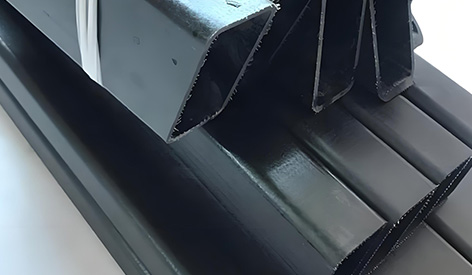
Tensile strength is a critical measure of a material's ability to resist breaking under tension, and fiberglass excels in this regard. The tensile strength of fiberglass composites typically falls between 50,000 and 150,000 psi, influenced by factors like fiber volume fraction, weave pattern, and resin quality. For example, unidirectional fiberglass, where fibers align in a single direction, can achieve higher tensile values compared to random mat configurations. This property is vital in structural applications, such as bridges or wind turbine blades, where materials must endure stretching forces without failure. Moreover, fiberglass maintains its tensile integrity across a broad temperature range, though it may degrade slightly at extreme highs. Understanding this aspect helps in selecting the right composite for load-bearing components, ensuring safety and longevity in engineering projects.
Fiberglass Strength in Composite Forms
Fiberglass composites leverage the synergy between glass fibers and polymer matrices to deliver superior strength characteristics. These composites are engineered to distribute stress evenly, minimizing weak points and enhancing overall resilience. Key strength attributes include high flexural strength, which allows fiberglass to bend without snapping, and excellent compressive strength, enabling it to bear heavy weights. In practical terms, this means fiberglass panels can support substantial loads in construction, while maintaining a lightweight profile. Additionally, the material's strength-to-weight ratio outperforms many metals, contributing to fuel efficiency in automotive and aerospace designs. By customizing the fiber-resin combination, manufacturers can tailor strength properties for specific needs, such as adding coatings for UV resistance or using special weaves for impact-prone areas.

Fiberglass Composite Applications
Fiberglass composites are integral to modern manufacturing, offering a blend of strength, versatility, and cost-effectiveness. These materials consist of glass fibers embedded in a thermosetting or thermoplastic resin, creating a durable matrix that can be molded into complex shapes. Common applications include automotive body parts, where composites reduce weight and improve crash safety, and electrical insulation components, thanks to their non-conductive nature. In the marine industry, fiberglass composites resist water absorption and corrosion, making them perfect for boats and offshore structures. The adaptability of these composites allows for innovations in renewable energy, such as solar panel frames and turbine components, where environmental resistance and longevity are critical. By understanding the composite's behavior under various conditions, industries can optimize designs for enhanced performance and sustainability.
How Strong Is Fiberglass Compared to Steel?
A frequent comparison in material science pits fiberglass against steel, particularly regarding strength and weight. Fiberglass composites generally have a lower absolute tensile strength than steel—for instance, steel's tensile strength can exceed 100,000 psi, while high-grade fiberglass might reach similar values but with significant weight savings. However, fiberglass boasts a superior strength-to-weight ratio; it can be up to five times stronger than steel by weight, meaning it provides comparable strength at a fraction of the mass. This makes fiberglass advantageous in applications where weight reduction is crucial, such as in aircraft or high-performance vehicles. Additionally, fiberglass does not corrode like steel, reducing maintenance costs in harsh environments. While steel may excel in pure load-bearing scenarios, fiberglass offers a balanced profile of strength, lightness, and corrosion resistance, making it a preferred choice in many modern engineering contexts.
Density of Fiberglass
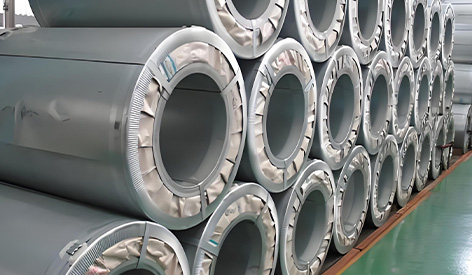
The density of fiberglass is a key factor in its widespread adoption, typically ranging from 1.5 to 2.5 grams per cubic centimeter, depending on the resin and fiber content. This relatively low density contributes to its lightweight nature, allowing for easier handling and installation compared to denser materials like metals. For example, aluminum has a density around 2.7 g/cm³, while steel is about 7.8 g/cm³, highlighting fiberglass's advantage in weight-sensitive applications. Lower density also translates to better buoyancy in marine uses and reduced energy consumption in transportation. However, density can vary with composite formulations; adding fillers or using high-glass-content designs might increase it slightly. Understanding this property helps in material selection, ensuring optimal performance without unnecessary weight penalties.
Does Fiberglass Melt?
A common question regarding fiberglass is whether it melts, and the answer lies in its composition. Fiberglass itself, made from silica-based glass fibers, has a high melting point—typically around 1,200 to 1,400 degrees Celsius—but the resin matrix in composites can degrade at lower temperatures. Most fiberglass composites begin to soften or decompose between 150 and 300 degrees Celsius, depending on the resin type (e.g., polyester resins may start breaking down around 200°C). This means fiberglass doesn't "melt" like thermoplastics but can lose structural integrity under intense heat, leading to charring or combustion in fire scenarios. Therefore, in high-temperature applications, such as industrial insulation or fire-resistant barriers, specialized formulations with heat-resistant resins or additives are used to enhance thermal stability.
Fiberglass Properties Overview
Fiberglass possesses a suite of properties that make it a standout material in various fields. Beyond strength and density, it exhibits excellent corrosion resistance, making it immune to rust and chemical attacks that plague metals. Its electrical insulation capabilities are valuable in electronics and power distribution systems. Fiberglass also has low thermal conductivity, which is beneficial for insulation in buildings and appliances. Furthermore, it is non-magnetic and resistant to UV radiation when properly coated, extending its lifespan in outdoor settings. These properties, combined with its moldability and recyclability, contribute to its sustainability. However, it can be prone to abrasion if not protected, and proper handling is needed to avoid fiber release, which can cause irritation. Overall, fiberglass's multifaceted properties support its use in diverse, demanding environments.
Fibreglass Types and Their Characteristics
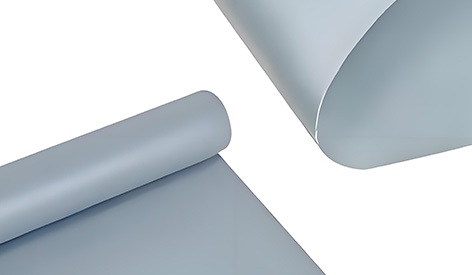
Various types of fibreglass are available, each tailored for specific applications based on fiber arrangement and resin compatibility. Common types include E-glass, which offers good electrical insulation and is widely used in general composites; S-glass, known for higher strength and temperature resistance, often employed in aerospace; and C-glass, designed for corrosion resistance in chemical environments. Additionally, fiberglass can come in forms like woven roving for high-strength layers, chopped strand mat for ease of molding, and continuous filaments for reinforced plastics. Each type influences the composite's final properties—for instance, woven fabrics provide directional strength, while random mats offer isotropic behavior. Selecting the appropriate fibreglass type depends on factors like load requirements, environmental exposure, and manufacturing methods, ensuring optimal performance in end-use scenarios.
In conclusion, fiberglass stands as a formidable material in the world of composites, offering a balance of strength, lightness, and durability that suits a myriad of applications. Its tensile strength and overall robustness make it a reliable choice, while comparisons with steel highlight its weight advantages. The density and thermal behavior, including its resistance to melting, further define its usability across industries. With diverse properties and types, fiberglass composites continue to evolve, driving innovation in sectors from renewable energy to consumer goods. By appreciating these technical nuances, professionals can harness fiberglass's full potential, paving the way for smarter, more efficient designs in the future.

