


When choosing between PETG and ABS for 3D printing, understanding their distinct properties is crucial for achieving optimal results. Both thermoplastics are widely used in additive manufacturing, but they differ significantly in printability, mechanical strength, and post-processing requirements. This article explores how 3D-printed PETG compares to ABS across critical factors such as temperature resistance, support structures, filament handling, and part durability.
PETG vs ABS: Material Properties and Applications
3D Printing: Ease of Use and Adhesion
Support Structures and Post-Processing
Filament Handling: Moisture Sensitivity and Drying
Temperature Resistance and Durability
Printing Temperature and Cooling Requirements
Plastic Strength and Part Performance
PETG vs ABS: Material Properties and Applications
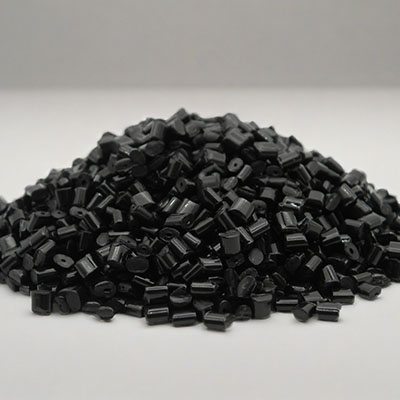
PETG (Polyethylene Terephthalate Glycol) is known for its durability, flexibility, and ease of printing, making it a favorite among hobbyists and professionals. It combines the strength of ABS with the printability of PLA, offering good layer adhesion and minimal warping. PETG is UV-resistant and food-safe (when properly processed), making it ideal for outdoor applications and containers.
ABS (Acrylonitrile Butadiene Styrene) is a tough, impact-resistant plastic commonly used in automotive parts, electronic housings, and LEGO bricks. It requires higher printing temperatures and a heated bed to prevent warping. While ABS offers superior temperature resistance compared to PETG, it emits fumes during printing, necessitating proper ventilation.
3D Printing: Ease of Use and Adhesion
PETG is easier to print than ABS because it adheres well to most build surfaces, including glass, PEI, and blue painter’s tape. It doesn’t require an enclosed chamber, though cooling settings must be optimized to prevent stringing. ABS, on the other hand, demands an enclosed print environment to maintain consistent temperatures and minimize warping. Without proper bed adhesion, ABS prints are prone to lifting at the edges.
Support Structures and Post-Processing
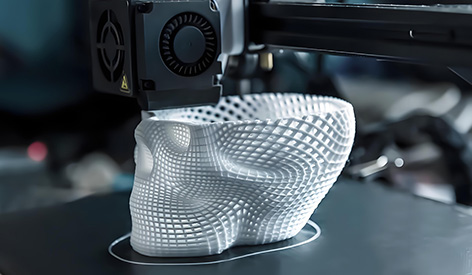
Both PETG and ABS benefit from support structures when printing overhangs and complex geometries. PETG supports are easier to remove due to its slightly flexible nature, whereas ABS supports can be more brittle and may require sanding for a smooth finish. ABS is more amenable to acetone smoothing, a post-processing technique that dissolves surface imperfections, while PETG resists chemical smoothing and typically requires mechanical finishing.
Filament Handling: Moisture Sensitivity and Drying
PETG and ABS are hygroscopic, meaning they absorb moisture from the air, which can lead to printing defects like bubbles and poor layer adhesion. PETG is particularly sensitive and should be stored in a dry environment or dried before use (typically at 50-60°C for 4-6 hours). ABS also benefits from drying (at 70-80°C) but is slightly less prone to moisture-related issues than PETG.
Temperature Resistance and Durability
ABS outperforms PETG in high-temperature environments, with a heat deflection temperature (HDT) of around 95-105°C compared to PETG’s 70-80°C. This makes ABS better suited for automotive and mechanical applications where thermal stability is critical. PETG, however, has better impact resistance and is less prone to cracking under stress, making it a better choice for functional parts subjected to mechanical loads.
Printing Temperature and Cooling Requirements
PETG typically prints between 220-250°C with a bed temperature of 70-80°C. Excessive cooling can weaken layer bonding, so part cooling fans are often set to low or medium. ABS requires higher temperatures, extruding at 230-260°C with a heated bed at 90-110°C. Unlike PETG, ABS benefits from minimal cooling to prevent warping and delamination.
Plastic Strength and Part Performance
ABS is stiffer and more rigid, making it suitable for load-bearing components, while PETG offers better elasticity and resistance to cracking. PETG’s chemical resistance also makes it preferable for parts exposed to water, oils, and mild acids. For applications requiring toughness without brittleness, PETG is often the better choice.

The choice between PETG and ABS depends on the specific requirements of your 3D printing project. If high-temperature resistance and post-processing flexibility are priorities, ABS is the superior option. For ease of printing, impact resistance, and moisture durability, PETG is the better filament. Understanding Multi-material 3D printing differences ensures successful prints and long-lasting functional parts.

