


Selective laser sintering (SLS) is a transformative additive manufacturing technology that has revolutionized how industries produce complex components. By using a high-powered laser to fuse powdered materials, such as nylon or metal, into solid structures layer by layer, SLS enables the creation of durable, functional parts with intricate geometries. This process is highly valued for its ability to produce items without the need for support structures, reducing material waste and streamlining production. As industries increasingly adopt SLS, it has become a cornerstone for rapid prototyping and end-use part manufacturing. In this article, we will explore the fundamentals of SLS, its diverse applications across sectors, and the critical post-processing techniques that enhance part quality.
From automotive to aerospace, SLS parts are driving innovation, offering solutions that balance precision, strength, and cost-efficiency. We will also delve into emerging trends, highlighting how this technology continues to evolve to meet the demands of modern engineering.
content:
How Does This Magic Printer Work?
What Can We Make With SLS?
Making the Printed Parts Look Great
How Does This Magic Printer Work?
It all starts with a computer file, just like a digital drawing. The printer spreads a super thin layer of powder (often a plastic-like nylon) onto a platform. Then, a powerful laser beam zaps the powder wherever the first "slice" of the object needs to be, melting those tiny particles together.
Once a layer is done, the platform moves down, and a new layer of powder is spread on top. The laser then draws the next slice, fusing it to the layer below. It keeps doing this over and over, "sintering" the powder together, until the whole part is finished inside a big block of powder.
When it's done, you reach in and pull out your new creation! All the extra powder just brushes away, leaving you with your finished piece.

What Can We Make With SLS?
You can make almost anything! Designers and engineers use SLS to create all kinds of SLS parts.
Fast Models: Before a company makes thousands of a new toy or tool, they test it first. They use SLS prototype parts to build a model they can hold and test. This helps them find and fix problems early, saving a lot of time and money.
Car Parts: The world of SLS auto parts is really cool. This printer can make lightweight but strong parts for cars, like special ducts and brackets. Making parts lighter helps cars go farther using less fuel.
Space and Rocket Parts: This is one of the most exciting uses! SLS rocket parts need to be incredibly strong but also very light, because launching heavy things into space is hard and expensive. SLS can print complex parts for rockets and satellites that are tough enough to handle the shaking and heat of a launch.
Making the Printed Parts Look Great
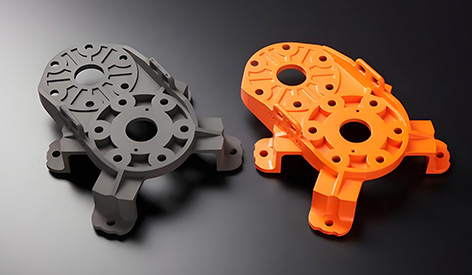
When a part first comes out of the SLS printer, it might look a little rough and dusty. This is what we call unpolished SLS parts. They work perfectly fine, but they don't have a smooth, finished look. So, the next step is to make them look awesome. This whole process is called finishing SLS parts.
Cleaning and Smoothing: First, the parts are cleaned to remove all the loose powder. Then, they might be tumbled in a container with small media (like tiny stones) or blasted with soft particles to smooth out the surface, just like smoothing a rough stone in a rock polisher.
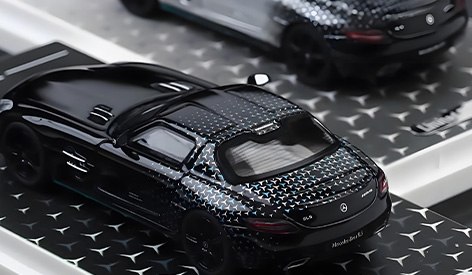
Adding Color: While the powder is often white or gray, we can paint the parts any color we want! Painting SLS parts is like painting a model car. It makes the part look more professional and can also add a protective layer. You could print a car part and then paint it to match your car's exact color!
In conclusion, selective laser sintering has established itself as a versatile and efficient technology for producing high-quality parts across diverse sectors. From SLS auto parts to rocket components, the applications are vast and growing. Post-processing methods like finishing and painting further enhance the value of these parts, while unpolished versions offer cost-effective solutions for prototyping. As the technology advances, it will undoubtedly unlock new possibilities, reinforcing SLS as a key driver of innovation in additive manufacturing.

