


You might have heard of polyurethane. It's a type of plastic that can be used for lots of things, like comfy couch cushions or bouncy skateboard wheels. But is it a thermoplastic? That’s a big word that means a plastic that can be melted and reshaped over and over again, just like melting a crayon to make a new one.
The short answer is: usually no, but there’s a special kind that is! Most polyurethane is like a baked cake—once it’s made, you can’t melt it down again. But a type called Thermoplastic Polyurethane (or TPU for short) is different. It’s like Play-Doh! You can heat it up to make it soft, shape it into something new, let it cool to get hard, and then do it all over again. This makes it super useful and cool to recycle.
What is Thermoplastic Polyurethane ?
What is Thermoplastic Polyurethane Material?
Thermoplastic Polyurethane vs Silicone
TPU in Everyday Stuff
3D Printing with TPU
TPU Tubes
TPU Sheets
TPU Foam
TPU Resin
What is Thermoplastic Polyurethane ?
Most polyurethane is like a baked cake—once it’s made, you can’t melt it down again.Imagine a material that is as tough as a plastic bottle but can stretch like a rubber band. That’s Thermoplastic Polyurethane (TPU)! It’s made of two parts: hard bits that make it strong, and soft bits that make it flexible. Because you can melt it and remake it, it’s used to make all sorts of awesome things.
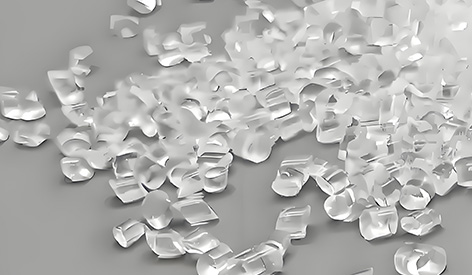
What is Thermoplastic Polyurethane Material?
The thermoplastic polyurethane material is what you get when you mix those hard and soft bits together. Think of it like making a new type of building block. You can make it really soft and squishy or pretty hard and rigid, depending on what you need it for. It’s also really tough and doesn't tear easily, which is why it's perfect for things that get used a lot.
Thermoplastic Polyurethane vs Silicone
This is like comparing two popular toys: TPU is like that super strong, stretchy slime that doesn’t break easily. Silicone is more like the rubber used to make baking molds—it’s great with heat. If you need something super strong and for everyday use, TPU is often the winner. But if you need something to handle super high heat (like an oven mitt), silicone is better.
TPU in Everyday Stuff
TPU is the star of the show! It’s the specific name for this amazing meltable, stretchy material. It can carry heavy weights, stretch really far, and stick well to other materials. Best of all, factories can use their regular plastic machines to melt and shape it, which makes it easy and cheaper to make cool stuff.
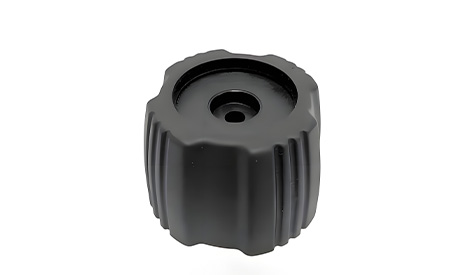
3D Printing with TPU
This is one of the coolest uses for TPU! 3D printing is like using a hot glue gun that draws a picture layer by layer to build a toy. You can use TPU "ink" (called filament) in a 3D printer to create bouncy, flexible objects. Imagine printing your own custom phone case, a squishy toy, or even a part for a robot! It’s a bit trickier to print than hard plastic because it’s flexible, but the results are awesome.
TPU Tubes
TPU tubes are strong, flexible, and don't kink like a garden hose. You’ll find them in lots of places:
In machines, for air and water to travel through.
In hospitals, for clear tubes that need to be safe and bendy.
In cars, for things like fuel lines.
TPU Sheets
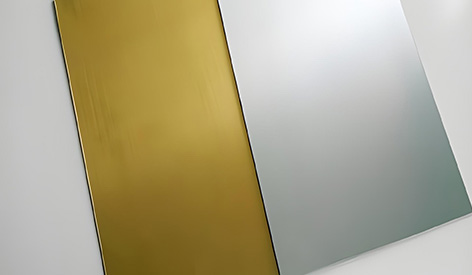
A TPU sheet is just a flat piece of this material, like a sheet of paper but made of plastic. You can make it thin like a screen protector for your phone or thick like a doormat. People use these tough sheets to protect things from getting scratched or worn out, like on the inside of a backpack or on the bottom of a snowboard.
TPU Foam
Most foam (like in a couch) is the kind you can't recycle. But TPU foam is special! You can melt it and re-use it. This foam is bouncy and great for absorbing shock. That’s why it’s used in the comfy soles of your running shoes or the padding inside a football helmet. It helps keep you comfortable and safe!
TPU Resin
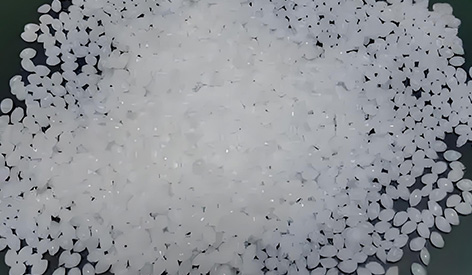
TPU resin is what you start with before you make anything. It looks like a bunch of small plastic pellets or tiny beads. Factories melt these beads down to make all the TPU products we talked about: the tubes, the sheets, the 3D printer filament, everything! You can think of it as the raw ingredient, like flour before you make cookies.
In conclusion, while traditional polyurethane is often a thermoset, thermoplastic polyurethane (TPU) represents a distinct and highly valuable category of materials. Its unique combination of elasticity, durability, and processability has led to widespread use across industries, from automotive and medical to consumer goods and additive manufacturing. Understanding the differences between TPU and other materials like silicone, as well as its various forms such as tubes, sheets, foams, and resins, is essential for selecting the right material for specific applications. As technology advances, TPU continues to evolve, offering even greater performance and sustainability benefits.

